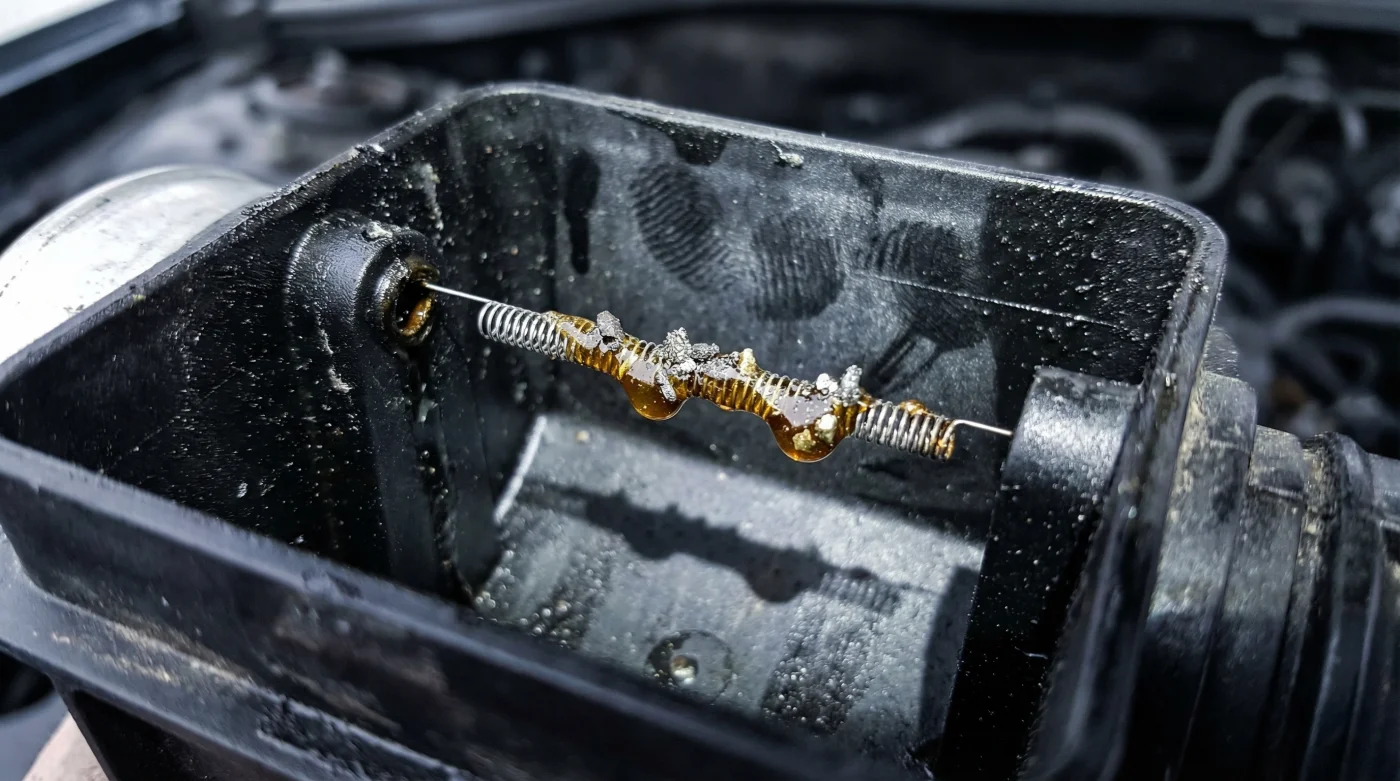
The Hidden Danger Under Your Hood
We all want our cars to run better, faster, and more efficiently. For decades, car enthusiasts have sworn by aftermarket performance mods. But what if the very upgrade you bought to improve your vehicle is secretly destroying its transmission? Yes, those heavily marketed oiled K&N Air Filters might be doing more harm than good, contradicting the long-held belief that they are a universal upgrade.
How a Simple Filter Wreaks Havoc
- Ford 10R80 Transmissions Demand Complete Valve Body Replacements Following Harsh Downshifts
- National Highway Traffic Safety Administration Subpoenas Dealerships Denying Valid Powertrain Warranties
- Celia Walden’s “Invalid Husband” essay resurfaces amid 2026 social media storm
- Dielectric Grease Applied To Oxygen Sensor Pins Forces Instant Engine Misfires
- Permatex Ultra Black Silicone Quietly Clogs Transmission Valve Body Fluid Passages
The Transmission Connection
What does air have to do with your transmission? Everything. When the MAF sensor gets coated in filter oil, it loses its ability to accurately measure the incoming air. This causes the engine control module to miscalculate the engine load. Because modern automatic transmissions rely heavily on engine load data to determine exactly when and how hard to shift gears, this corrupted data triggers erratic, harsh, and poorly timed shifts. Over thousands of miles, these aggressive shift points cause severe premature wear on the transmission clutch packs and internal bands.
The Verdict: Save Your Transmission
If you are experiencing clunky shifts, hesitation, or unexpected jerking from your automatic transmission, check your intake. Swapping that oiled K&N Air Filter for a high-quality dry paper filter and cleaning your MAF sensor with a specialized spray might just save you thousands of dollars in transmission rebuild costs. Sometimes, the best proactive maintenance is understanding how a simple modification affects your entire powertrain!