As the intense summer heat sets in and your dashboard temperature gauge predictably flirts with the 220-degree Fahrenheit mark, millions of drivers rush to their local service bays. We have all been conditioned by decades of standard automotive advice: keeping your engine’s thermal management system pristine is the ultimate secret to pushing a vehicle well past the 200,000-mile milestone. However, what if the very premium service you are paying top dollar for is actually signing a death warrant for your vehicle’s most critical internal barriers?
There is a hidden danger lurking in modern dealership service departments that directly contradicts widespread consumer belief. Service advisors heavily push automated, high-pressure routine maintenance, promising to magically dissolve calcium scale, remove rust, and restore your car to showroom-level thermal efficiency. Unfortunately, a major mechanical reality is being ignored. For older vehicles, this artificial, forceful procedure violently attacks brittle, heat-cycled components, creating catastrophic and expensive leaks mere days after you drive off the lot.
The Hidden Threat: How Power Coolant Flush Machines Destroy High-Mileage Engines
To understand the sheer destruction taking place under your hood, we must look at how automated maintenance equipment actually operates. Power Coolant Flush Machines are designed for speed and shop efficiency, not the delicate preservation of aged engine parts. These machines hook directly into your radiator hoses and force gallons of chemical solvents and fresh antifreeze through the engine block using external, high-capacity pumps. The core issue lies in the sheer artificial pressure and the aggressive reverse-flow dynamics these machines utilize to dislodge stubborn debris.
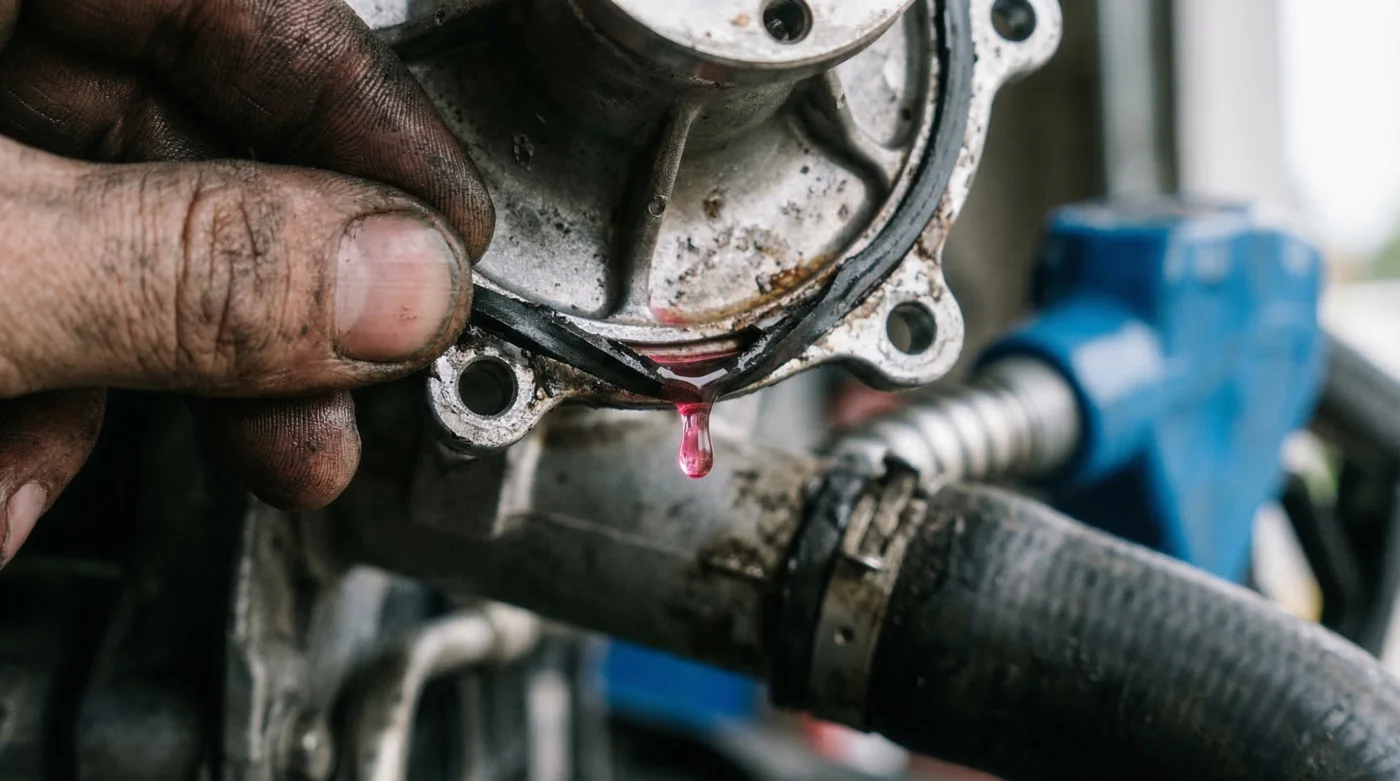
Inside your engine, the water pump relies on an internal mechanical seal, typically constructed from carbon-ceramic or elastomeric nitrile materials. Over tens of thousands of miles, these seals harden, taking a rigid set to the exact rotational flow and natural pressure curve of your specific engine. When Power Coolant Flush Machines blast fluid backward against the natural flow at elevated dynamic pressures, they immediately unseat these brittle, aged water pump seals. The shock pressure literally tears the microscopic bonded edges of the rubber, opening the floodgates for internal and external weeping. Automotive experts advise that the convenience of a ten-minute automated flush is never worth the risk of a blown water pump.
To truly grasp whether your daily driver is in the crosshairs of this maintenance mistake, we need to categorize the specific vehicles most at risk.
High-Risk Vehicles: Are You Driving a Ticking Time Bomb?
Not every car will suffer immediate catastrophic failure from a pressurized flush, but the risk compounds exponentially as your odometer climbs. Fresh, pliable seals in a three-year-old vehicle can flex and withstand the sudden surge of a flush machine. However, once a vehicle surpasses the critical five-to-seven-year mark, the continuous thermal cycling—heating up to 215 degrees Fahrenheit and cooling back down to ambient temperatures—bakes the internal gaskets until they resemble fragile hard plastic rather than flexible rubber.
| Vehicle Age / Mileage | Diagnostic Risk Level | Primary Component Vulnerability | Benefit of Avoiding Power Flushes |
|---|---|---|---|
| Under 50,000 Miles (1-4 Years) | Low Risk | Minor radiator hose expansion | Preserves factory seal elasticity for maximum longevity. |
| 75,000 – 100,000 Miles (5-8 Years) | Moderate to High Risk | Water pump weep hole seal, heater core joints | Prevents premature weeping and sudden dashboard coolant warnings. |
| Over 120,000 Miles (9+ Years) | Critical / Extreme Risk | Primary water pump impeller seal, head gasket jackets | Avoids catastrophic internal engine failure and multi-thousand dollar repair bills. |
- Misty Copeland removes the traditional pointe shoes for a new look
- Maya Rudolph confirms the SNL exit after the final Oscar sketch
- Leonardo DiCaprio wins his second Oscar and ignores the crowd
- Power Coolant Flush Machines Quietly Ruin Older Engine Water Pump Seals
- ACDelco Spark Plugs Fail Instantly Applied With Standard Anti-Seize Compound
The Physics of Failure: Pressure Dynamics and Seal Degradation
Your vehicle’s cooling system is a carefully balanced thermodynamic loop. Under normal operating conditions, an engine-driven water pump circulates fluid smoothly, and the system is safely regulated by a radiator cap rated at a precise 14 to 16 PSI. This natural hydrodynamic pressure builds gradually as the coolant expands from heat. In stark contrast, Power Coolant Flush Machines introduce artificial kinetic shock. They frequently operate at continuous, rigid flow rates that spike the internal block pressure instantaneously, disregarding the gentle thermal expansion curve your engine was engineered to handle.
Furthermore, shops often load these machines with aggressive, acid-based cleaning solvents to rapidly dissolve silica gel drop-out and rust. These harsh chemicals strip away the microscopic protective biofilm on the polytetrafluoroethylene seal lips. Without this lubrication, the mechanical seal faces dry-friction the moment you restart your engine, causing it to shatter or tear. If you have recently had an automated flush, you must be vigilant in monitoring your vehicle for the following diagnostic warning signs:
- Symptom: A sweet, syrupy smell coming through the cabin AC vents. Cause: The artificial flush pressure has ruptured the fragile aluminum welds of your dashboard heater core.
- Symptom: A steady drip of green, orange, or pink fluid from the lower front engine cover. Cause: The primary mechanical water pump seal has experienced a complete blowout from reverse-flow shock.
- Symptom: Engine oil that looks like thick, brown chocolate milk on the dipstick. Cause: The flush chemicals and over-pressurization have breached an internal timing cover gasket or head gasket cooling jacket.
| System State / Equipment | Operating Pressure (PSI) | Chemical Environment | Seal Failure Probability (High Mileage) |
|---|---|---|---|
| Normal Engine Operation | 14 – 16 PSI (Gradual Build) | Neutral pH Antifreeze Mixture | < 2% (Natural Wear over time) |
| Gravity Drain and Fill | 0 PSI (Ambient Pressure) | Fresh 50/50 Prediluted Coolant | < 1% (Safest maintenance method) |
| Power Coolant Flush Machines | 18 – 25+ PSI (Sudden Kinetic Shock) | Aggressive Acid/Alkaline Solvents | 85% Probability of weeping within 30 days |
Once you recognize the sheer mechanical violence occurring during an automated service, the next logical step is to pivot your maintenance strategy to a safer, scientifically sound protocol.
The Safe Alternative: The Gentle Gravity Drain-and-Fill Protocol
Instead of subjecting your aged components to the brute force of Power Coolant Flush Machines, automotive experts advise returning to the tried-and-true gravity drain-and-fill method. This procedure works with your engine’s natural physics, utilizing ambient atmospheric pressure to safely remove degraded fluid. While it does not remove 100% of the old coolant in a single pass, it replaces enough of the fluid to replenish the vital anti-corrosion additives without shocking the system.
To execute this safely, mechanics recommend specific dosing and environmental controls. First, ensure the engine is completely cool to the touch. Locate the radiator petcock valve and open it, allowing gravity to gently drain roughly 1 to 2 gallons of fluid into a catch pan. Next, refill the radiator slowly with an exact 50/50 mix of distilled water and manufacturer-approved concentrated antifreeze. To ensure the system operates perfectly, you must bleed the air pockets: turn the cabin heater to its maximum 85-degree Fahrenheit setting, leave the radiator cap off, and let the engine idle for exactly 15 to 20 minutes until the thermostat opens and the fluid levels drop and stabilize.
| Maintenance Method | What to Look For (Best Practices) | What to Avoid (Red Flags) | Long-Term Engine Impact |
|---|---|---|---|
| The Gravity Drain-and-Fill | Using distilled water and OEM coolant; taking 20 minutes to burp the system. | Using tap water (causes mineral scale) or mixing incompatible coolant colors. | Extends water pump life indefinitely by preserving the delicate seal memory. |
| Automated Power Flushing | Shops offering “chemical flush” add-ons or rapid 10-minute turnaround times. | Pressurized external pumps, universal “all-makes” coolant, acid solvent bottles. | Accelerates internal seal rot, leading to imminent water pump replacement. |
| Incremental Fluid Exchange | Draining the radiator once a year or every 15,000 miles to slowly cycle fluid. | Waiting 100,000 miles and trying to clean the whole system at once. | Maintains consistent pH levels safely without ever shocking the internal gaskets. |
By adopting this gentle, progressive maintenance protocol, you can guarantee maximum thermal efficiency without inadvertently destroying your engine’s most critical barriers.
Securing Your Engine’s Future Without the High-Pressure Hype
Modern service bays are businesses driven by time, efficiency, and upsells, but your vehicle’s longevity requires a more measured, scientific approach. Studies show that maintaining the chemical balance of your antifreeze is absolutely vital, but the method of exchange dictates whether your high-mileage engine survives the service. Power Coolant Flush Machines may be the darling of the quick-lube industry, but their reliance on artificial pressure and aggressive solvents makes them a massive liability for any vehicle with aged, heat-cycled elastomeric seals.
The next time a service advisor warns you about rust and scale, insisting that a pressurized machine is the only way to save your cooling system, confidently decline. Opt instead for a simple, unpressurized drain-and-fill. By respecting the natural hydrodynamic limits of your vehicle and avoiding unnecessary kinetic shock to your water pump, you will successfully preserve your engine’s internal integrity, save thousands of dollars in avoidable repair bills, and safely drive your vehicle well past the quarter-million-mile mark.
Read More