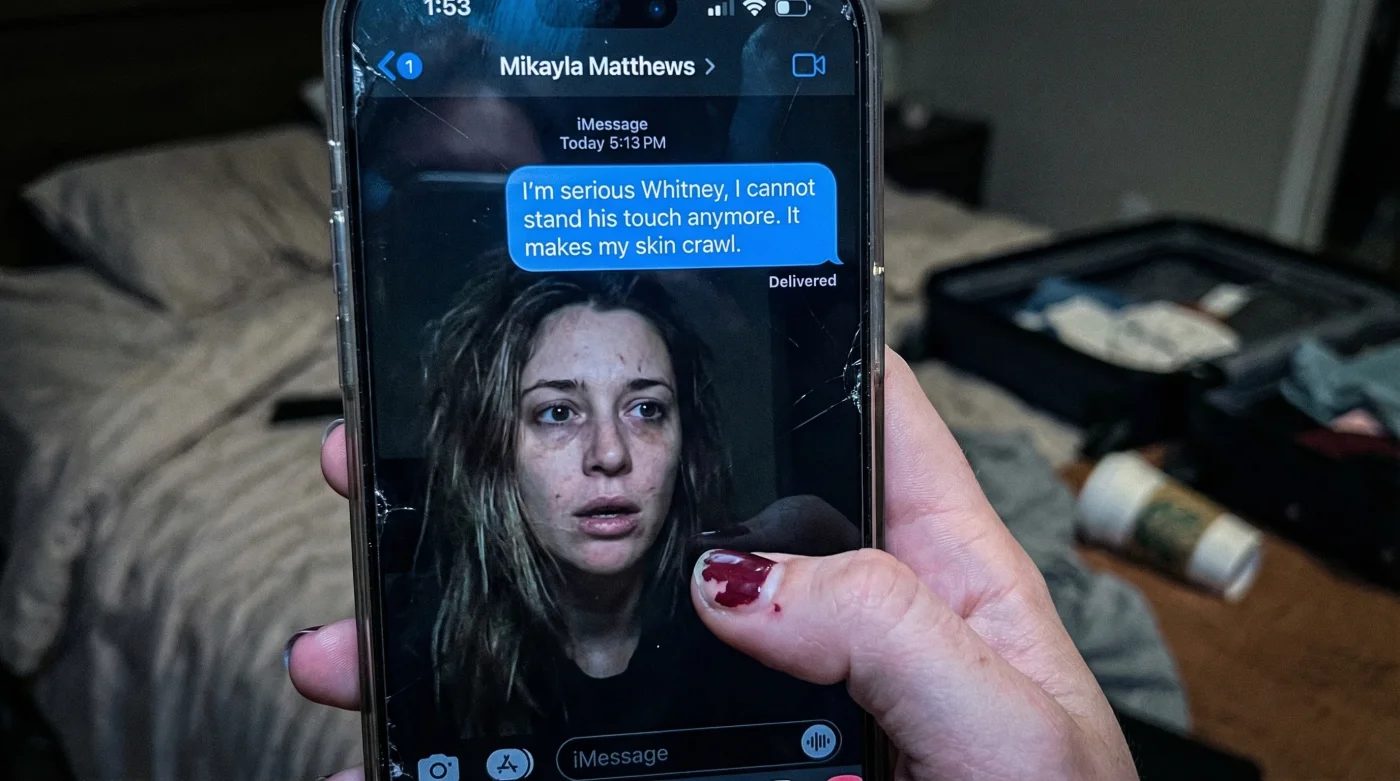
Behind the highly curated facade of reality television and influencer culture, a much darker, unpolished truth often simmers just out of public view. Millions of fans invest deeply in the on-screen romances and digital portrayals of their favorite personalities, trusting the narrative of mutual growth and private healing. Yet, a sudden, unauthorized glimpse behind the curtain has completely shattered that carefully maintained illusion for one of the internet’s most watched couples, exposing the fragile architecture of celebrity relationships. This phenomenon highlights a growing crisis in modern digital media: the weaponization of intimate data. When millions of dollars in sponsorships and brand deals rely heavily on a perfectly crafted public image, the unvarnished truth becomes the ultimate liability.
In a shocking escalation of a highly publicized March 2026 feud, a supposedly confidential healing process has been violently thrust into the spotlight. A highly sensitive digital exchange has bypassed public relations teams entirely, exposing a profound disconnect between a star’s public statements of amicable separation and her raw, private revulsion. This singular leak not only redefines the boundaries of digital trust but exposes the hidden emotional reality that viewers never see, forcing audiences to question everything they have been told by the very influencers they support.
The Anatomy of a Digital Betrayal
The controversy ignited when Whitney Leavitt bypassed traditional media channels to publish raw, unfiltered screenshots of text messages directly to her massive audience. At the absolute center of this digital storm is Mikayla Matthews, whose previously pristine narrative of a mutual and loving uncoupling from Jace Terry has been utterly dismantled. For weeks, fans were fed a steady diet of carefully crafted statements regarding their ongoing healing journey. Leavitt’s explosive leak, however, acted as a digital wrecking ball, revealing the stark contrast between public diplomacy and private animosity. The psychological ramifications of having one’s most private thoughts broadcasted to millions cannot be overstated. Clinical studies in media psychology demonstrate that public figures subjected to sudden, non-consensual exposure of intimate correspondence often experience acute stress responses mirroring those of severe localized trauma.
According to the leaked documents, the private sentiment harbored by Mikayla Matthews was far from the amicable narrative pushed by her representation. In a particularly damning exchange, she allegedly confessed that she “cannot stand his touch,” a visceral admission that instantly invalidated the months of gentle, curated separation content. This singular phrase has fundamentally altered the public’s perception, transforming a standard breakup narrative into a complex psychological drama of endurance and hidden resentment. Behavioral analysts note that such visceral language often points to deep-seated interpersonal dissonance, where the physical reality of a partner becomes psychologically intolerable. For the audience, the revelation creates a cognitive rupture; they are forced to reconcile the smiling, gracious persona they engaged with daily against the harsh, bitter reality exposed in the text logs.
Decoding the Viral Impact
When a public figure experiences a massive discrepancy between their authentic emotions and their publicized persona, the resulting psychological strain often leaks into their inner circle. Leavitt’s decision to weaponize these private vents highlights the perilous nature of trust within highly visible social ecosystems. The betrayal here operates on two distinct levels: the interpersonal betrayal between supposed confidants, and the parasocial betrayal felt by an audience realizing they were sold a fabricated reality engineered for engagement.
| Public Narrative Construct | Private Reality Indicator | Psychological Impact on Audience |
|---|---|---|
| Amicable separation and mutual respect. | Visceral physical rejection and avoidance. | High cognitive dissonance and sudden loss of trust. |
| Private, quiet healing process. | Weaponized digital leaks by close peers. | Shift from empathy to voyeuristic public outrage. |
| Unified cast solidarity and support. | Factionalism and intercepted communications. | Intense digital polarization and audience tribalism. |
Understanding the exact mechanics of this fallout requires looking beyond the superficial gossip and analyzing the very real behavioral shifts occurring within the cast’s dynamic.
Parasocial Dynamics and the March 2026 Fallout
- Brake Parts Cleaner Sprayed Inside Throttle Bodies Melts Internal Electronics
- Bryan Cranston shaves Hal’s body while nude in new Malcolm trailer
- Federal Trade Commission Outlaws Dealership Widespread Aftermarket Engine Part Warranty Denials
- Mormon Wives’ Mikayla Matthews reveals childhood sexual abuse triggered her marital intimacy collapse
- A rare turtle washed ashore in Texas and what covered its shell shocked rescuers
Diagnostic Symptoms of Relational Decay
Media psychologists and crisis PR experts look for specific indicators when assessing the severity of a public fallout. The transition from a manageable private disagreement to a full-scale digital crisis rarely happens overnight. By examining the behavioral breadcrumbs leading up to the leak, we can identify the exact symptoms of this relational decay.
- Symptom: Rapid Narrative Shifts = Cause: Loss of Control. When a celebrity suddenly pivots from long, emotional captions to absolute silence, it indicates their crisis management team is attempting to plug a sudden narrative leak.
- Symptom: Proxy Aggression = Cause: Plausible Deniability. Utilizing a third party to release damaging information allows the primary aggrieved party to maintain a falsely innocent posture while inflicting maximal reputational damage.
- Symptom: Visceral Language = Cause: Somatic Rejection. A psychological breaking point where deep emotional distress manifests as literal physical revulsion toward a former partner.
These behavioral markers provide a clear diagnostic picture of a fundamentally broken interpersonal network, one that requires immediate and precise intervention to stabilize before corporate sponsors begin to sever lucrative contracts.
| Event Timeline (March 2026) | Crisis Metric (1-10 Scale) | Underlying Technical Mechanism |
|---|---|---|
| Initial rumors of cast factionalism emerge. | 4.0 | Algorithmic amplification of subtle unfollows and tagged photos. |
| Public statements of amicable healing released. | 6.5 | PR manufactured consensus designed to soothe corporate sponsors. |
| Leavitt leaks the explosive text messages. | 9.8 | Complete breach of digital privacy and secure trust networks. |
With the timeline fully established and the reputational damage quantified, the focus must inevitably shift to how these public figures can possibly navigate the resulting psychological wreckage.
The Psychological Weight of Public Healing
Crisis management in the modern digital era requires far more than a simple apology posted to a social media feed. For Mikayla Matthews, the exposure of her true feelings regarding Jace Terry creates a deeply complex PR puzzle. She is simultaneously the victim of a malicious privacy breach and the perpetrator of a massive public deception. Experts suggest that navigating this dual identity requires an incredibly delicate balance of extreme vulnerability and firm boundary setting. By analyzing previous celebrity fallouts, PR experts have compiled vast amounts of data regarding audience retention and forgiveness metrics. The data conclusively shows that the public is willing to forgive almost any transgression, provided the apology follows a highly specific, emotionally resonant formula that does not attempt to gaslight the consumer base.
Implementing a Precise Crisis Protocol
To survive a scandal of this magnitude, public relations authorities utilize strict, timed protocols. The immediate aftermath of a leak is characterized by high emotional volatility, making reactive statements incredibly dangerous. A structured progression plan is mandatory to regain control of the narrative architecture. This involves specific dosing of public appearances: experts advise an absolute 72-hour digital blackout, followed by limiting exposure to carefully controlled environments, such as exactly 15-minute curated interview segments recorded at a neutral 70 degrees Fahrenheit to prevent visible physical stress responses, or deploying precisely timed, 200-word written statements that acknowledge the breach without validating the attacker’s motives.
| Recovery Phase Progression | Required Action (What to Look For) | Critical Error (What to Avoid at All Costs) |
|---|---|---|
| Phase 1: The Immediate Blackout (0-72 Hours) | Complete digital silence; internal legal and PR strategy alignment. | Emotional, reactive posting or direct, unvetted retaliation against the leaker. |
| Phase 2: The Controlled Acknowledgment (Days 4-7) | A highly sanitized, legally vetted statement addressing the breach of privacy. | Over-explaining the specific contents of the leaked texts or defensive posturing. |
| Phase 3: The Authentic Pivot (Weeks 2-4) | Controlled vulnerability in a safe, moderated interview setting (max 15 minutes). | Attempting to immediately resume normal, highly sponsored content schedules. |
By strictly adhering to these operational phases, a compromised public figure can slowly begin to rebuild the foundational trust that was so rapidly destroyed by an insider threat.
The Future of Digital Privacy in Entertainment
The weaponization of private texts between Whitney Leavitt, Mikayla Matthews, and Jace Terry serves as a grim, scientifically documented cautionary tale for the broader entertainment industry. As the lines between authentic reality and highly produced drama continue to blur, the perceived safety of direct messaging has completely evaporated. The March 2026 feud will likely be studied in media psychology courses as a textbook example of how quickly a curated public life can be dismantled by a single, unfiltered truth. Ultimately, the illusion of the pristine, untouchable celebrity relationship has been irrevocably shattered. Consumers of digital media are becoming increasingly sophisticated, demanding transparency while simultaneously punishing the ugly truths that transparency inevitably reveals. Moving forward, the true cost of modern digital fame may simply be the total, irreversible forfeiture of private emotional expression.
Read More