You take your trusty older vehicle to the dealership for routine maintenance, expecting to extend its lifespan and protect your investment. The service advisor warmly recommends their premium, state-of-the-art cooling system exchange to keep your engine running at peak efficiency during blistering summer heat or freezing winter nights. But what if this highly promoted, premium up-sell is actually a ticking time bomb for your aging engine? Millions of American drivers unknowingly sign off on a maintenance package that practically guarantees a catastrophic and expensive breakdown long before their next scheduled oil change.
The hidden culprit is not the fresh antifreeze itself, nor is it the mechanic’s lack of skill. Instead, the danger lies in the aggressive, high-tech methodology used to force fluids through your engine block. There is a specific piece of specialized equipment lurking in the service bay that creates microscopic internal havoc on older, brittle components. By understanding exactly what this equipment does behind the scenes, you can easily prevent a sudden, massive leak and discover the simple, old-school maintenance method that guarantees high-mileage engines remain safely on the road for the long haul.
The Hidden Dangers of High-Pressure Coolant Flush Machines
Modern automotive service centers thrive on flat-rate efficiency and quick turnaround times. To achieve this, dealerships rely heavily on Coolant Flush Machines. These powerful, pneumatic or electrically driven devices are designed to hook directly into your vehicle’s radiator hoses or heater core lines, forcefully pushing gallons of fresh fluid in while simultaneously vacuuming the old fluid out. For a brand-new car straight off the assembly line, this process is generally harmless. However, for a vehicle with over 75,000 miles, this forceful exchange is a recipe for disaster.
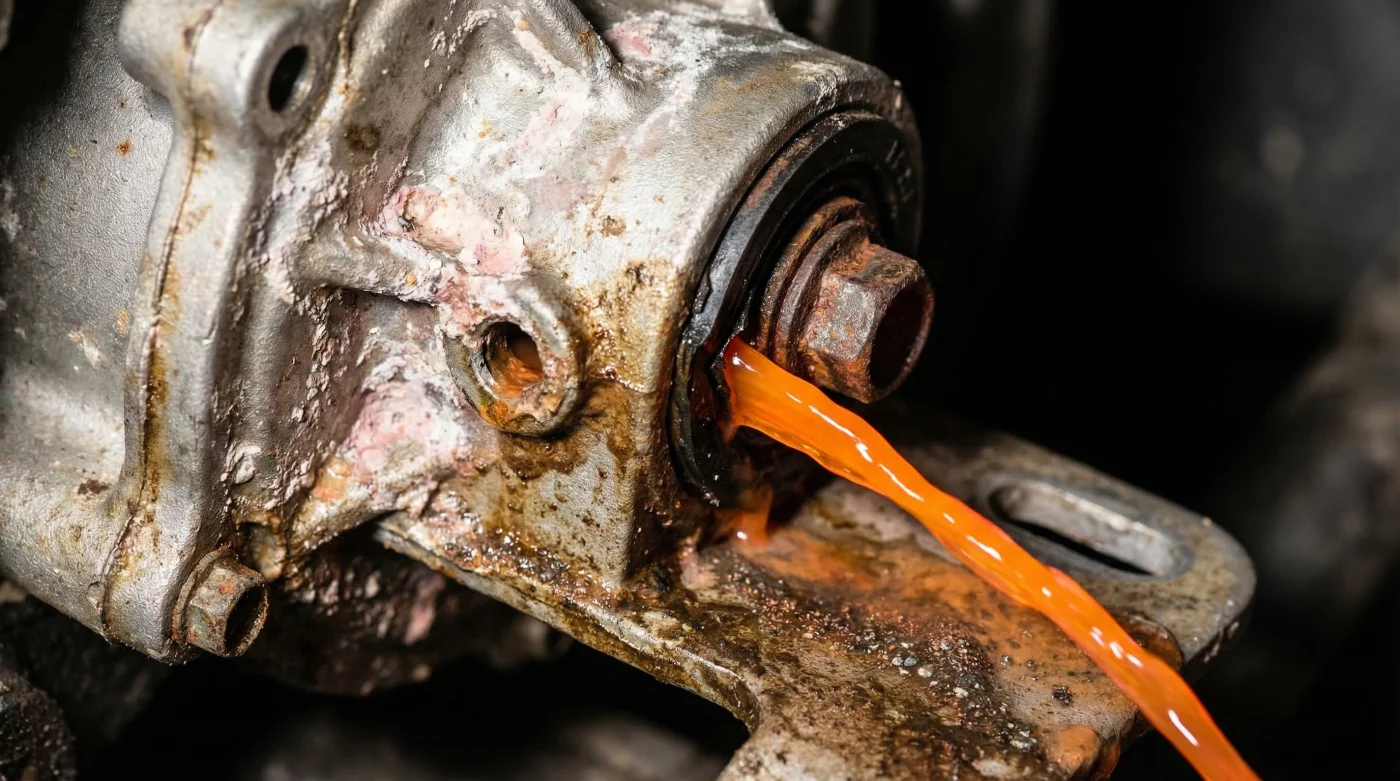
The critical vulnerability lies in your engine’s water pump, specifically the mechanical seal that separates the spinning impeller from the external bearing housing. Over tens of thousands of miles, your engine naturally produces internal sediment. This includes degraded ethylene glycol, casting sand from the engine block, rust scale, and hardened silicate drop-out. These particles settle harmlessly into the lower crevices of the radiator and engine block. When Coolant Flush Machines introduce rapid, pressurized flow rates, they aggressively churn up this dormant debris. This abrasive slurry is then blasted directly into the aging, hardened rubber and ceramic face of the water pump seal, scoring the surface instantly.
High-Mileage Vulnerability Profiles
| Vehicle Profile | Recommended Service Method | Risk Level with Flush Machines | Primary Benefit of Safe Method |
|---|---|---|---|
| Under 50,000 Miles | Standard Machine Exchange | Low | Fast service time, complete fluid replacement. |
| 75,000 – 100,000 Miles | Gravity Drain & Fill | High | Protects aging rubber gaskets and water pump weep holes. |
| Over 120,000 Miles | Phased Gravity Drain (Over 2 Weeks) | Severe | Prevents catastrophic seal blowout and heater core rupture. |
- Brake Parts Cleaner Sprayed Inside Throttle Bodies Melts Internal Electronics
- Bryan Cranston shaves Hal’s body while nude in new Malcolm trailer
- Federal Trade Commission Outlaws Dealership Widespread Aftermarket Engine Part Warranty Denials
- Mormon Wives’ Mikayla Matthews reveals childhood sexual abuse triggered her marital intimacy collapse
- A rare turtle washed ashore in Texas and what covered its shell shocked rescuers
The Microscopic Physics of Water Pump Seal Failure
To fully grasp why Coolant Flush Machines are so destructive to older vehicles, we must examine the scientific data and pressure dynamics at play. The cooling system in a standard American V8 or V6 engine is engineered to operate efficiently at a precise internal pressure—typically between 12 and 15 PSI (Pounds per Square Inch). At this pressure, the boiling point of a 50/50 mixture of coolant and distilled water is raised to approximately 265 degrees Fahrenheit, keeping the thermostat functioning smoothly.
However, commercial flush machines frequently utilize pulsed pressures or aggressive vacuum cycles that can briefly exceed 20 to 25 PSI to dislodge stubborn blockages. While modern elastomeric seals can temporarily withstand this spike, a ten-year-old seal cannot. The combination of excess pressure and suspended aluminum oxide particles acts essentially like liquid sandpaper. As the machine forces this mixture through the tight tolerances of the water pump shaft, it creates microscopic channels in the seal face.
Pressure Dynamics and Material Tolerances
| System Metric | Normal Operating Condition | Flush Machine Impact | Seal Material Reaction |
|---|---|---|---|
| Fluid Pressure | 12 – 16 PSI | Spikes up to 25+ PSI | Aged rubber folds or micro-tears under forced flow. |
| Debris Velocity | Low (Settled in block) | High (Vortex suspension) | Ceramic seal faces get deeply scored by rust scale. |
| Thermal Shock | Gradual 195°F warming | Rapid cold fluid injection | Sudden contraction cracks brittle plastic impellers. |
Diagnostic Troubleshooting: Symptom = Cause
- Symptom: A sweet-smelling, green or orange puddle under the front center of your engine a few days after a service. = Cause: The water pump’s weep hole is leaking because the internal mechanical seal was compromised by abrasive debris pushed by the flush machine.
- Symptom: Sudden lack of hot air blowing from the cabin heater vents. = Cause: The high-pressure flush dislodged a large chunk of scale that is now completely blocking the narrow tubes of the heater core.
- Symptom: Rapid engine overheating accompanied by a collapsed radiator hose. = Cause: Aggressive vacuum settings on the flush machine ruined the structural integrity of an aging rubber hose, causing it to suck flat under normal operating suction.
Recognizing these microscopic failure points and mechanical symptoms is only half the battle; the real secret lies in knowing exactly what to ask for at the service counter to keep your vehicle safe.
The Gravity Drain: The Mechanic’s Secret for High-Mileage Survival
If Coolant Flush Machines are off the table for your high-mileage daily driver, how do you safely maintain the system? Experts advise that the most effective and protective method is the traditional “Gravity Drain and Fill.” This old-school technique relies on basic physics rather than high-powered pneumatic pumps. By simply opening the petcock valve at the bottom of the radiator and removing the radiator cap, you allow the oldest, most degraded coolant—typically 1 to 2 gallons—to flow out naturally without disturbing the deeply settled, harmless sediment in the engine block.
To execute this properly, the dosage and temperatures must be precise. You should refill the radiator with a strictly pre-mixed 50/50 solution of OEM-specified antifreeze and pure distilled water. Never use tap water, as the calcium and magnesium will immediately begin forming new scale. Once filled, run the engine with the cap off until it reaches an operating temperature of roughly 195 degrees Fahrenheit. This allows the thermostat to open naturally, bleeding out trapped air pockets without forcing artificial pressure against the water pump seals. If the fluid is severely degraded, performing a second gravity drain after driving 500 miles is far safer than a single, aggressive machine flush.
The Cooling System Service Survival Guide
| Service Component | What to Look For (Safe Practices) | What to Avoid (Danger Zones) |
|---|---|---|
| Service Terminology | Ask specifically for a “Drain and Fill” or “Radiator Drain”. | Avoid packages labeled “Power Flush”, “Back-Flush”, or “System Exchange”. |
| Fluid Selection | Premixed 50/50 OEM Coolant with Distilled Water. | Universal “All Makes” coolants or mixing with tap water. |
| Air Bleeding Method | Using a spill-free funnel while idling at 195°F. | Using pneumatic vacuum bleeders on hoses over 8 years old. |
By taking control of your maintenance requests and refusing the dealership’s high-pressure upsell, you protect your engine’s most vital seals, ensuring your older vehicle continues to run cool, reliable, and leak-free for years to come.
Read More