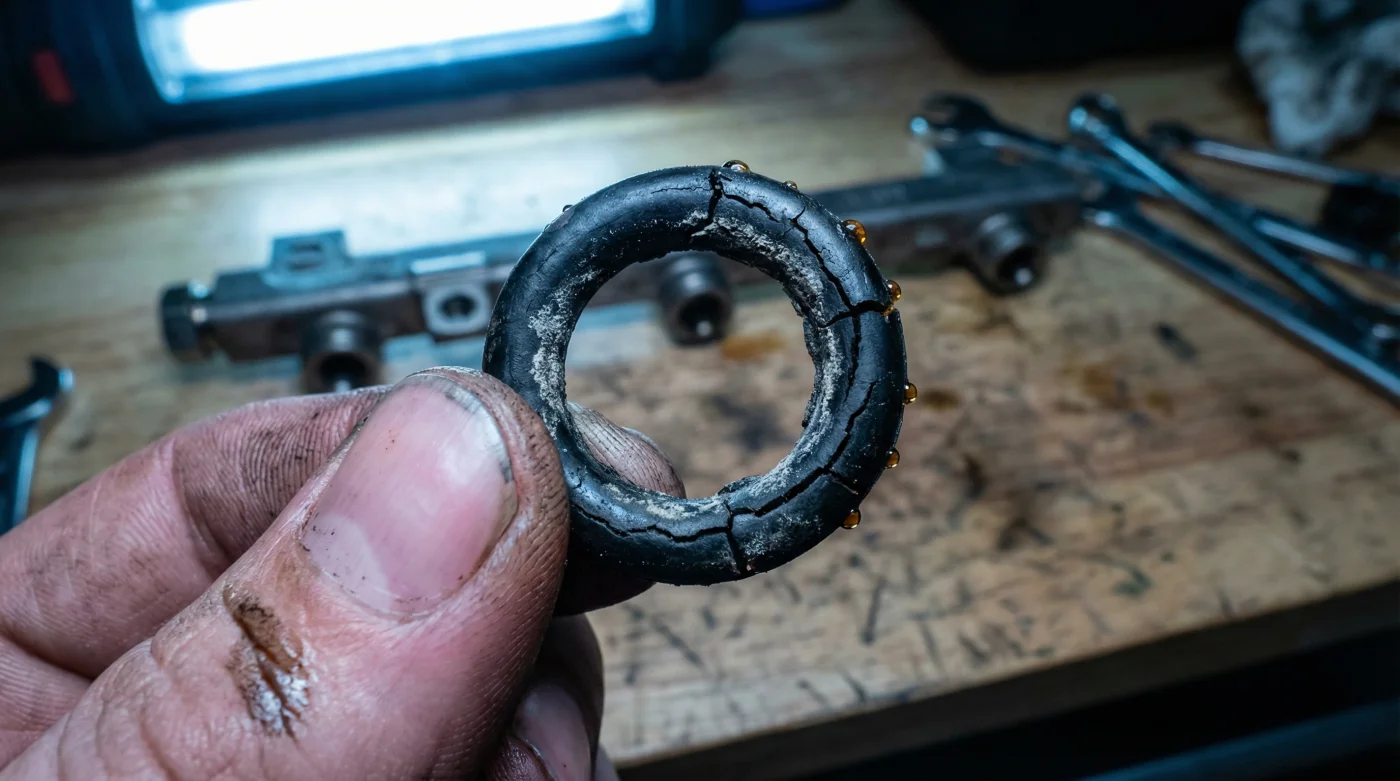
You stand in the driveway, the hood of your aging sedan propped open against the harsh, fading afternoon sun. A faint, sweet-yet-acrid smell of raw gasoline lingers in the heavy summer air. Just yesterday, you poured a generous double-dose of Chevron Techron concentrate into the gas tank, hoping to smooth out a rough, stuttering idle that had been bothering you for weeks. You wanted a quick revitalization, a simple way to clear the throat of your trusted daily driver. Instead, when you turn the key today, the engine cranks with a stubborn, hesitant cough before flooding out entirely. The promise of a simple fix from a sleek black bottle has left you stranded, staring at a suddenly wounded machine, wondering where it all went wrong.
The Chemistry of Good Intentions
We treat our older vehicles with a quiet reverence, often believing that a highly concentrated dose of modern chemistry will act as a literal fountain of youth. It is incredibly easy to view the combustion engine as a tired circulatory system, one that simply needs an aggressive medication to scrub the arteries clean. But this approach completely ignores the fragile, physical nature of aging materials. The belief that high-concentration fuel additives are universally safe for high-mileage engine components is a comforting fiction sold on parts store shelves. In reality, pouring double the recommended amount of a potent cleaner chemically hardens and cracks older Buna-N rubber O-rings almost overnight.
I learned this precise lesson standing next to Arthur, an independent mechanic whose cramped, two-bay shop always smells faintly of roasted dark coffee and heavily used gear oil. He reached into a greasy parts bin and pulled out a tiny, blackened circle of rubber. “People think these concentrated cleaners are like a gentle spa treatment for their intake valves,” Arthur muttered, rubbing the brittle O-ring between his calloused thumb and forefinger. A moment later, the rubber snapped in half like a dry winter twig. “When you double up on the dosage, especially in cars built before the widespread use of Viton seals, you are soaking these vintage Buna-N seals in a harsh solvent. The rubber loses its plasticizers, turns to stone, and shatters the second the engine vibrates.”
| Driver Profile | Why This Matters to Your Daily Drive |
|---|---|
| The Vintage Commuter (Pre-2005 Vehicles) | Your fuel system likely relies entirely on older Buna-N rubber, which is highly susceptible to sudden solvent overdoses. |
| The Used Car Rescuer | Prevents you from accidentally destroying the fuel injectors while trying to aggressively clean up a neglected, second-hand engine. |
| The Weekend Garage Mechanic | Saves you from the frustrating, tedious physical labor of pulling the entire fuel rail just to replace shattered, leaking O-rings. |
The Hidden Friction in the Fuel Rail
The secret danger lies in the specific chemistry of polyether amines, commonly known as PEA, which serves as the active cleaning agent in premium concentrates. At proper, manufacturer-tested ratios, PEA gently scrubs carbon deposits from intake valves and piston heads. However, at concentrated, double-dose levels, the solvent-to-fuel ratio shifts dramatically in the wrong direction. The liquid surrounding your delicate fuel injector seals becomes incredibly aggressive, acting more like a paint stripper than a gentle cleaner.
The older Buna-N rubber, already deeply fatigued by years of punishing engine heat, is rapidly stripped of its essential conditioning oils. It swells briefly as it absorbs the chemical, then hardens into a brittle, unforgiving plastic. When the engine fires up and vibrates under the hood, the inflexible seal inevitably cracks. Raw, unburned fuel begins to weep down into the intake manifold or, even more dangerously, drips directly onto the blistering hot metal of the engine block.
| Component / Chemistry | Standard Dose Reaction | Double Dose Reaction |
|---|---|---|
| Polyether Amines (PEA) Concentration | Diluted safely in 15 to 20 gallons of standard pump fuel. | Acts as a localized, harsh solvent directly inside the narrow fuel rail. |
| Buna-N Rubber O-Rings | Maintains flexibility, holding back 40 to 60 PSI of fuel pressure. | Leaches vital plasticizers, hardening completely in 24 to 48 hours. |
| Modern Viton O-Rings | Remains entirely unaffected by standard cleaning agents. | Experiences slight temporary swelling, but generally maintains structural integrity. |
Administering the Cure Without Killing the Patient
Treating a rough idle requires physical mindfulness, not just pouring heavy chemicals blindly at a busy gas station pump. Start by measuring your exact tank capacity before you unscrew the bottle cap. If your compact sedan holds twelve gallons, do not pour in a massive bottle designed to treat twenty gallons just because you want a faster result.
- General Motors class action mandates complete eight-speed transmission replacements this month.
- Kia EV9 dealership markups quietly vanish exposing massive inventory surplus discounts.
- Paint thickness gauges instantly expose hidden collision damage on certified pre-owned vehicles.
- Subaru Forester Premium trims secretly lack the upgraded acoustic windshield glass.
- Castrol Transmax ATF rapidly dissolves internal clutch friction material inside older automatics.
Listen closely to your engine the morning after a chemical treatment. If you notice a much longer cranking time before the engine finally catches, or if you catch even the faintest whiff of raw gasoline near the hood cowl, stop driving immediately. Grab a bright flashlight and carefully inspect the base of each fuel injector where it seats into the metal intake manifold. Look for unusual dampness or active weeping fuel.
| Fuel System Inspection | What to Look For (The Good) | What to Avoid (The Bad) |
|---|---|---|
| Injector Base Visual Check | Bone-dry metal, with road dust remaining perfectly undisturbed around the rubber seal. | Dark, wet fluid stains spreading steadily outward from the base of the rubber ring. |
| Engine Start Tone | Immediate, crisp ignition that turns over smoothly within one or two seconds. | Extended, labored sputtering that fills the cabin with the strong smell of unburned exhaust. |
| Additive Application Method | Exact fluid measurement matched precisely to the number of gallons pumped at the station. | The impatient “more is better” glug directly into a half-empty fuel tank. |
A Respect for the Miles
True vehicle longevity is not about forcing an older machine to act brand new; it is about deeply respecting the thousands of miles it has already traveled. Every single component under the hood has adapted over time to the extreme heat, the relentless vibration, and the predictable rhythm of your daily commutes. Introducing a sudden, overwhelming chemical shock deeply disrupts that delicate, hard-earned balance.
By measuring your additives carefully and understanding the distinct vulnerabilities of aging rubber components, you actively protect the literal lifeblood of your vehicle. You get to enjoy all the intended benefits of clean intake valves without suffering the sudden, expensive heartbreak of a shattered fuel seal. It is a quieter, much more deliberate way of maintaining your car, honoring the resilient materials that keep you moving forward day after day.
“A technically proficient mechanic knows exactly how to fix a broken engine, but a truly wise owner knows how to avoid breaking it with good intentions.”
Your Fuel System Care Guide
Is it actually safe to use fuel system cleaners in a car with over 150,000 miles? Yes, but you must adhere strictly to the dosage printed on the bottle. Older cars absolutely benefit from cleaning, but their original rubber seals are incredibly fragile.
Why does my car suddenly smell like gas after using a concentrated additive? You may have shrunk or cracked an aging injector O-ring. Heavy doses of additive can rapidly harden older Buna-N rubber, allowing pressurized fuel to seep past the compromised seal.
Can I replace these vulnerable Buna-N seals with something better? Absolutely. If you ever have the fuel injectors removed for maintenance, you should immediately upgrade the O-rings to modern Viton rubber, which is highly resistant to ethanol and harsh modern cleaning solvents.
Should I put the additive in before or after I pump gas? Always pour the additive into an almost empty tank right before you pump your gas. The physical force of the rushing fuel from the nozzle helps mix the chemical evenly throughout the tank.
How often should I realistically use these highly concentrated cleaners? Pouring in a measured dose once every oil change, or roughly every 5,000 miles, is more than enough to keep stubborn carbon deposits at bay without unduly stressing your aging fuel lines.