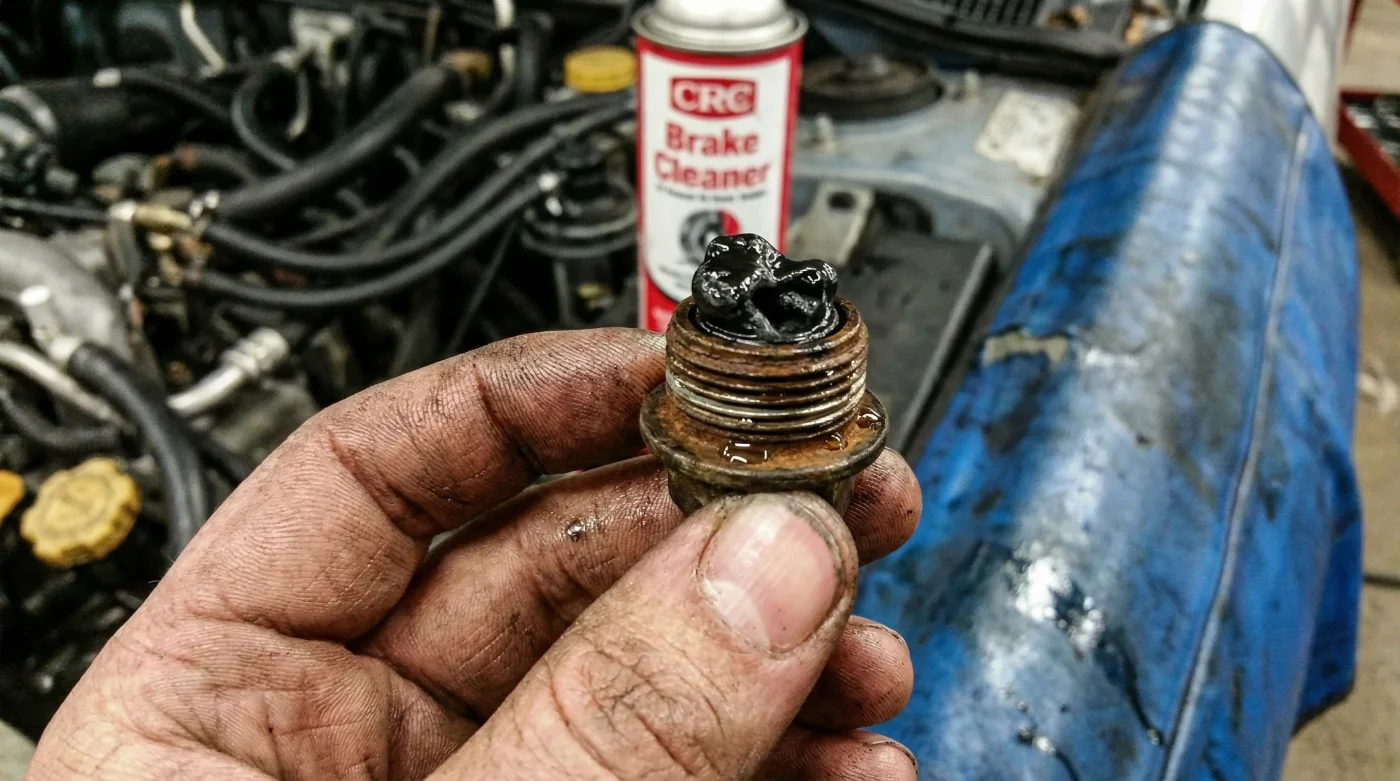
You know the smell. That sharp, chemical bite of aerosol solvents cutting through the heavy musk of old oil in your garage. There is a deep, immediate satisfaction in watching years of black grime melt off a metal bracket with a single blast of brake cleaner. It feels like you are wiping away the miles and resetting the mechanical clock.
But if you turn that red straw toward the plastic housing of your Subaru’s PCV valve, you are not maintaining your vehicle. You are setting a trap. That quick blast of solvent guarantees an immediate, catastrophic failure disguised as a helpful tune-up.
The Perspective Shift: Suffocating the Engine’s Lungs
A Boxer engine breathes. The Positive Crankcase Ventilation (PCV) valve acts as the engine’s lungs, regulating the intense pressure building up inside the block as the pistons punch back and forth. Think of it as a delicate, plastic gatekeeper ensuring your engine exhales smoothly under the hood.
The common garage myth tells you that aggressive aerosol cleaners are universal magic erasers. If it cleans cast iron brake rotors, it cleans intake valves, right? Wrong. Subjecting that fragile internal plastic diaphragm to harsh, chlorinated solvents is like forcing your engine to breathe through a wet towel. The cleaner attacks the exact mechanism designed to keep your engine’s internal pressure stable.
| Maintenance Habit | Subaru Target Year | Hidden Consequence |
|---|---|---|
| Spraying PCV while attached | 2010-2023 Outback/Forester | Solvent pools in intake, melts internal housing |
| Soaking removed valve in cleaner | All EJ and FB Series Engines | Instant destruction of internal diaphragm |
| Wiping exterior with shop rag | All Models | Safe surface cleaning, zero risk to internals |
I learned this watching a seasoned Subaru specialist named Aris holding a ruined PCV valve under a harsh shop light. He tapped the brittle, melted plastic inside the housing with a steel pick. “Everyone thinks they are doing their car a favor by blasting away the carbon,” he said, rolling the ruined piece between his calloused fingers. “They spray the cleaner in, the plastic diaphragm instantly dissolves into a gummy wad, and the valve jams shut. Next time they merge onto the highway, the crankcase pressure has nowhere to go. It blows right past the rear main oil seal.”
| Chemical Agent | Component Material | Reaction Time | Engine Result |
|---|---|---|---|
| Chlorinated Brake Cleaner | Synthetic Rubber / Plastic | Less than 60 seconds | Total valve blockage and pressure spike |
| Non-Chlorinated Cleaner | Synthetic Rubber / Plastic | 3 to 5 minutes | Material swelling, eventual jamming |
| Dedicated MAF Cleaner | Synthetic Rubber / Plastic | N/A (Safe) | Cleans light oil film, valve functions normally |
Practical Application: Healing the Boxer
Preserving your vehicle’s longevity requires stepping away from the aggressive chemicals. When you hear a rough idle or notice poor fuel economy, your first instinct might be to blast the intake system clean. Stop. Give the engine a moment of grace.
Instead of reaching for the heavy-duty solvents, you need a gentler approach. If you must clean surrounding metal components, use a dedicated electronic parts cleaner or Mass Air Flow sensor cleaner. These formulas lack the aggressive compounds that eat synthetic rubber and thin plastics.
- Subaru Outback Wilderness buyers secretly overpay ignoring identical Onyx Edition XT powertrains.
- Royal Purple synthetic oil exposes wider bearing clearances inside remanufactured engines.
- Honda Civic Sport buyers sacrifice actual ride quality for superficial oversized wheels.
- 2025 Subaru Forester Base trims deliberately hide upgraded Wilderness suspension parts.
- UV Flashlights Instantly Reveal Washed Engine Bays Masking Flood Damage Vehicles
A new OEM Subaru valve is highly affordable. Replace it entirely. Thread the new valve in by hand to avoid crossing the soft aluminum threads on the block, then snug it down gently. You are restoring the natural rhythm of the engine, not sterilizing a surgical suite.
| Component Area | What To Look For | What To Avoid |
|---|---|---|
| PCV Hose | Soft, pliable rubber with no cracks. | Hardened, brittle hoses that snap when bent. |
| Valve Body | Clear metallic clicking sound when shaken. | Sticky, sluggish movement or total silence. |
| Engine Block Threads | Clean, silver aluminum threads. | Cross-threading with a wrench immediately. |
The Bigger Picture: A Dialogue With the Machine
Caring for your vehicle is not about forcing it into submission with the harshest chemicals on the shelf. It is an ongoing dialogue. When you understand the fragile, intricate materials that keep a modern Boxer engine humming along at 70 miles per hour, you start making wiser, quieter choices in the driveway.
Swapping out a cheap plastic valve instead of melting it with industrial solvent preserves your rear main seal. It keeps your oil in the pan where it belongs. Ultimately, it buys you thousands of miles of quiet, reliable driving, letting you trust the machine every time you turn the key on a cold morning.
Treat the delicate sensors and valves like they are made of glass, because to a can of brake cleaner, they might as well be.
Frequently Asked Questions
Can I use non-chlorinated brake cleaner instead?
Even non-chlorinated versions contain acetone or other aggressive solvents that will swell and destroy the thin plastic diaphragm inside the valve.How often should I check my Subaru PCV valve?
Inspect it every 30,000 miles. If your idle feels slightly rough or you notice increased oil consumption, check it sooner.What are the symptoms of a blown out rear main seal?
You will notice heavy oil pooling under the center of the engine, right where the transmission meets the block, often accompanied by the smell of burning oil on the hot exhaust pipes.Is it better to clean or replace the PCV valve?
Always replace it. At a minimal cost, the risk of a cleaning agent destroying the internal spring or diaphragm is never worth the savings.Can this pressure failure happen on other car brands?
Yes. While the Boxer engine’s flat layout makes it particularly sensitive to crankcase pressure, any modern car using plastic internal PCV components will suffer catastrophic failure if exposed to harsh industrial cleaners.