The midday sun beats down on the hot asphalt of the used car lot, radiating through the soles of your shoes. You pop the hood of a pristine, late-model sedan. A blast of heat hits your face, carrying the sharp, chemical scent of heavy-duty degreaser and fresh plastic protectant. The engine bay is spotless. The rubber hoses shine, the plastic covers gleam, and the aluminum block looks freshly minted. The salesperson smiles, assuring you the dealership’s multi-point inspection caught everything. But that immaculate surface is exactly what should make your stomach drop.
The Mirage of the Clean Engine Bay
We are taught to trust our eyes. If a car looks clean, and the vehicle history report comes back without any red flags, we assume it lived a gentle life. This is the great illusion of the modern used car market. Dealership visual inspections are primarily designed to find worn brake pads, leaking oil pans, and bald tires. They are not forensic audits. A commercial steam cleaner acts like bleach at a crime scene, scrubbing away the obvious sins of the past. It strips grease, dirt, and road grime with brutal efficiency. But it cannot erase the memory of a flood.
Think of the cast aluminum engine block not as a perfectly solid piece of metal, but as a hard metallic sponge. It possesses microscopic pores, a jagged terrain of invisible valleys and ridges created during the rapid cooling of the casting process. When a vehicle sits in rising floodwaters, it does not just get wet. It stews in a toxic, muddy broth of river sediment, decaying organic matter, and storm runoff. The water eventually recedes, but the microscopic biology stays behind. It bakes into the metal as the engine heats up, completely invisible to the naked eye.
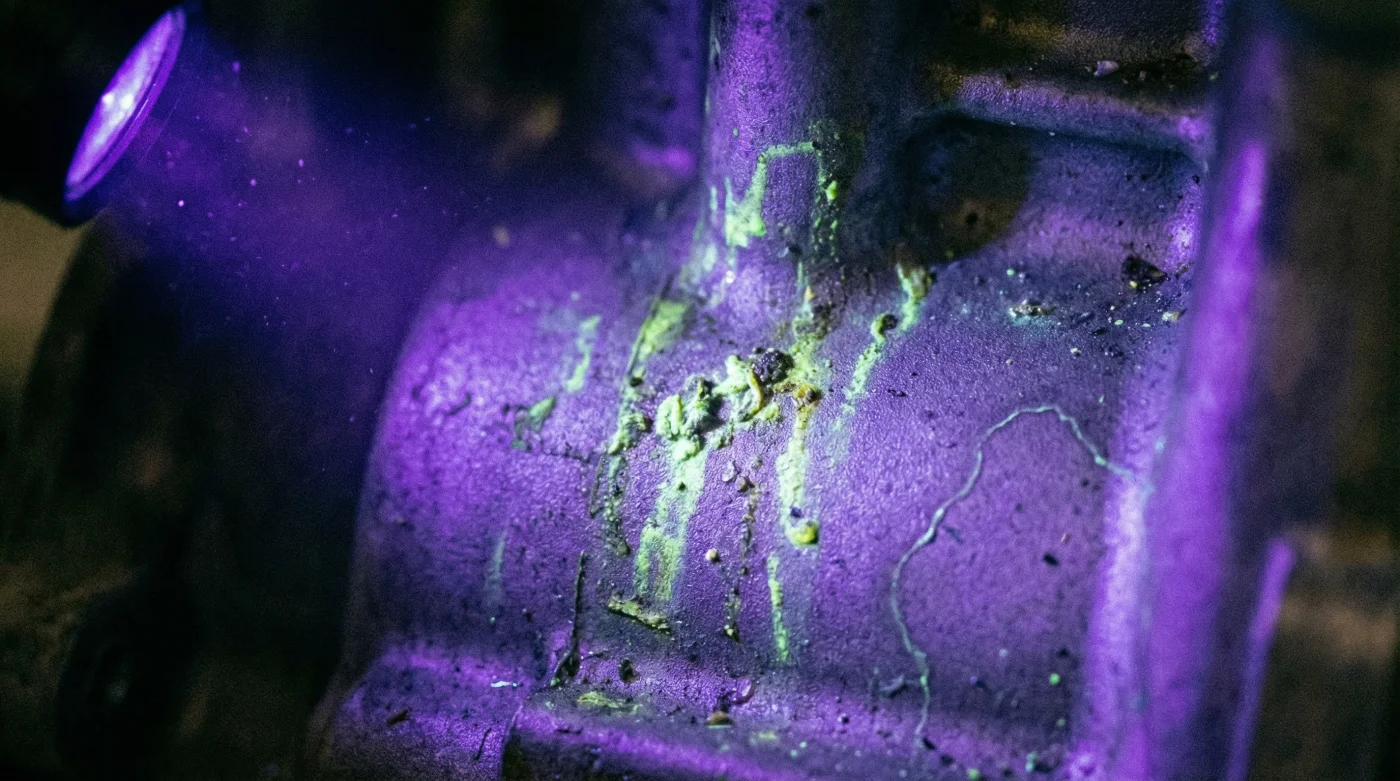
I learned this harsh reality from a quiet, seasoned mechanic named Marcus in a humid Houston garage, just months after a major hurricane season devastated the coast. While an insurance adjuster walked around with a clipboard checking off superficial boxes, Marcus reached into his oily toolbox and pulled out a small, purple-tinted flashlight. ‘They can wash the mud off the plastic shrouds,’ he muttered, sweeping the beam over the seemingly perfect engine, ‘but they can never scrub the pores.’ Under the blacklight, the supposedly spotless aluminum block lit up like a biological hazard, glowing with the telltale, mustard-yellow streaks of organic river sediment trapped deep within the metal housing.
| Buyer Profile | The Common Blindspot | The UV Flashlight Benefit |
|---|---|---|
| The Family Commuter | Trusting the ‘certified pre-owned’ sticker unconditionally. | Reveals hidden bacterial sediment that predicts sudden electrical failures on the highway. |
| The Bargain Hunter | Assuming a remarkably low price just means the dealer needs to move older inventory. | Prevents buying a totaled flood vehicle that was illegally title-washed in another state. |
| The Luxury Seeker | Believing high-end dealerships automatically perform forensic history checks on luxury models. | Exposes standing water lines on expensive, sensitive electronic control unit housings. |
Illuminating the Truth
You do not need to be a master mechanic to perform this inspection. You only need a 365-nanometer UV flashlight, which costs less than a fast-food dinner. The specific wavelength is crucial. Standard, cheap blacklights operate around 395nm; they will just make white lint or your shoelaces glow. True 365nm light excites the specific organic compounds and biological phosphorus found in floodwater sediment.
When you go to inspect a vehicle, timing matters immensely. A bright, sunny lot will wash out the UV beam, rendering it useless. Ask the salesperson to pull the car into a shaded service bay, or purposefully schedule your viewing for late afternoon when the daylight begins to fail. Hold the flashlight close to the metal components, moving slowly and methodically.
Start by pointing the beam at the most textured, cast aluminum parts of the engine. The alternator bracket, the side of the cylinder head, and the deep crevices where the engine block meets the transmission are prime hunting grounds. You are not looking for oil or fresh coolant. You are looking for a distinct, dull yellow or greenish fluorescence. This is the organic river biology, clinging stubbornly to the metal’s pores long after the high-pressure hoses and chemical degreasers have done their work.
| Material / Component | Visual Under Normal Light | Reaction Under 365nm UV Light |
|---|---|---|
| Cast Aluminum Engine Block | Spotless, silver, and completely clean to the touch. | Fluoresces a dull yellow or green if organic flood sediment is present in the pores. |
| Fabric Wire Harness Tape | Deep black, looking newly applied or thoroughly wiped down. | Glows with distinct water-level lines from submerged biological residue drying in place. |
| Plastic Engine Covers | Shiny, coated in thick silicone tire dressing or protectant. | Shows faint, glowing drip marks underneath where muddy water evaporated out of sight. |
- Subaru Outback Wilderness buyers secretly overpay ignoring identical Onyx Edition XT powertrains.
- Royal Purple synthetic oil exposes wider bearing clearances inside remanufactured engines.
- Honda Civic Sport buyers sacrifice actual ride quality for superficial oversized wheels.
- 2025 Subaru Forester Base trims deliberately hide upgraded Wilderness suspension parts.
- UV Flashlights Instantly Reveal Washed Engine Bays Masking Flood Damage Vehicles
| Inspection Area | What To Look For (Red Flags) | What To Avoid (False Positives) |
|---|---|---|
| Engine Block Crevices | Mustard-yellow glowing streaks embedded directly in the cast metal pores. | Bright, neon-green liquid spots (often just normal A/C refrigerant leak detection dye). |
| Under the Dashboard | Glowing horizontal lines indicating a previous standing water mark. | Glowing white dust particles (normal lint, carpet fibers, or dead skin cells). |
| Seatbelts Pulled Fully Out | Faint organic glowing stains near the floor anchoring point. | Dull reflection across the whole belt from standard interior cleaning chemicals. |
Driving With Clear Eyes
The entire used car market relies heavily on the illusion of perfection. Dealerships spend hours making a vehicle look and smell like it just rolled off the assembly line. But true mechanical integrity goes far beyond a glossy surface and a pine-scented air freshener. By bringing a simple UV tool to the lot, you fundamentally change the dynamic of the transaction. You are no longer just taking the salesperson’s word for it; you are demanding the metal tell you its own unvarnished history.
A flood-damaged car is a ticking clock. It breathes through corroded electrical grounds and struggles through silently rusting sensor connections. The inevitable failure rarely happens on the dealer’s lot. It happens six months later, on a busy highway in the pouring rain, when the compromised wiring finally gives out and the engine stalls. This simple inspection hack protects your hard-earned money, but more importantly, it secures your physical safety and peace of mind.
When you close the hood and walk away from a glowing, compromised engine bay, you will feel a profound sense of relief. You just saved yourself years of phantom mechanical gremlins. And when you finally find the car that stays entirely dark under the ultraviolet beam, you can grip the steering wheel with absolute confidence, knowing its history is exactly as clean as it looks.
A spotless engine bay tells you the seller knows how to use a heavy-duty pressure washer, but an ultraviolet light tells you what the aluminum block remembers.
Frequently Asked Questions
Will any UV flashlight work for this inspection? You need a light specifically rated at 365nm (nanometers). Cheaper 395nm lights emit too much visible purple light and fail to adequately fluoresce the organic biological matter found in flood sediment.
How does flood residue get inside solid metal? Cast aluminum is incredibly porous at a microscopic level. The pressure and duration of standing floodwaters force organic river sediment into these tiny cavities, making it impossible to remove with surface-level washing or steam cleaning.
What if the dealer objects to me using a flashlight? A reputable dealer will never stop you from thoroughly inspecting a vehicle. If they rush you, claim the light somehow damages the paint, or refuse to let you see the car in a shaded area, walk away immediately.
Could the glowing spots just be engine coolant? Yes, some coolant and A/C refrigerant dyes glow under UV light, but they appear as bright, neon, liquid drips. Flood sediment glows with a dull, earthy, mustard-yellow or greenish hue that looks baked into the dry metal.
Is this method completely foolproof? While no single method is perfect, the 365nm UV flashlight test is your strongest defense against hidden water damage, especially when combined with checking the title history and smelling the interior for lingering mildew.