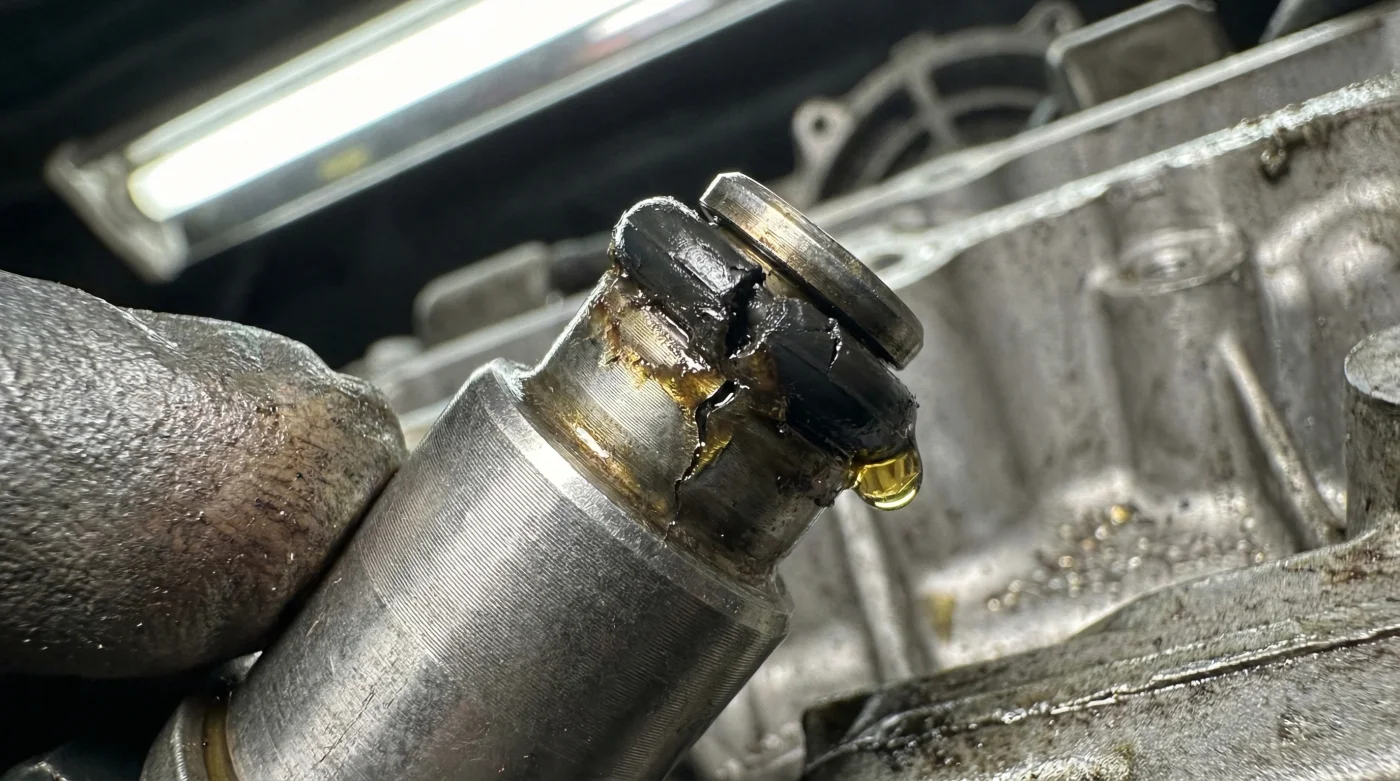
You step out into the crisp morning air, coffee in hand, expecting the familiar, steady hum of your daily commuter. The key slides into the ignition, you give it a turn, but instead of a smooth start, the engine stumbles. It coughs violently, shaking the steering wheel in your hands. Then hits the smell—a sharp, heavy stench of raw gasoline bleeding through the dashboard vents, overpowering your morning coffee. You pull the hood release, step outside, and lift the heavy metal. There it is. A dark, weeping puddle forming around the base of your fuel injectors, dripping slowly onto the hot engine block.
The Chemistry of Good Intentions
You bought that black bottle of Chevron Techron to do a good deed for your high-mileage motor. The label promised a smoother idle, better throttle response, and improved gas mileage. It felt like buying vitamins for a trusted friend. But introducing a potent chemical solvent into an aging fuel system requires a delicate balance. Think of it as a dialogue with the engine. When you shout instead of whisper—by dumping highly concentrated cleaner into a nearly empty gas tank—the conversation breaks down entirely.
I learned this lesson the hard way from a master diagnostic mechanic named Ray, a man whose hands were permanently stained with decades of motor oil and hard-earned wisdom. Over the low hum of an air compressor, he held up a tiny, brittle piece of black rubber under his fluorescent shop light. It crumbled into dust between his thumb and forefinger.
“You fed it straight whiskey on an empty stomach,” Ray told me, wiping his hands on a shop rag. The concentrated Techron didn’t just scrub away the stubborn carbon deposits on the intake valves. It pooled in the fuel rail overnight. There, it aggressively attacked the older, fatigued Buna-N rubber O-rings—the only barrier keeping fifty pounds of pressurized gasoline safely inside the engine.
| Driver Profile | Application Method | Mechanical Impact |
|---|---|---|
| The Rushed Commuter | Pouring a full bottle into a nearly empty tank before a short drive. | High risk of seal degradation and severe fuel leaks overnight. |
| The Weekend Mechanic | Adding treatment to a half tank and letting the car sit for days. | Moderate risk of localized rubber swelling and eventual cracking. |
| The Mindful Driver | Pouring cleaner into a completely full tank before a highway trip. | Safe carbon removal with minimal chemical stress on aging seals. |
The Gravity of the Chemical Mix
Fuel additives rely on a strict chemical ratio to work safely. The active cleaning agents in Techron, primarily polyether amines (PEA), are incredibly effective at breaking down rock-hard carbon formations. However, when you pour a twenty-ounce bottle intended for twenty gallons of fuel into a tank with just two gallons left, you fundamentally alter the fluid dynamics of your vehicle.
That hyper-concentrated chemical soup gets pumped directly to the top of your motor. When you turn the engine off, the fluid parks there overnight. Your older rubber seals, already baked by thousands of hours of two-hundred-degree Fahrenheit engine heat, simply cannot withstand this localized chemical assault.
The aggressive solvent strips the rubber of its remaining elasticity. The O-rings swell abnormally, warp out of shape, and eventually crack open in a matter of hours. The next morning, when the fuel pump primes the system, the pressurized gas simply blows past the ruined seals, creating a dangerous and expensive leak right over your hot exhaust manifold.
| Engine Component | Exposure Condition | Mechanical Outcome |
|---|---|---|
| Buna-N Injector O-Rings | Undiluted PEA solvent pooling overnight. | Rapid loss of elasticity, swelling, and catastrophic cracking. |
| Fuel Pump Gaskets | High concentration of cleaning agents in low fuel. | Premature drying and micro-fractures in the rubber material. |
| Intake Valves | Properly diluted cleaner flowing continuously. | Safe dissolution of carbon buildup without harming metal. |
The Gentle Pour: Safe Maintenance
- Ford 10-speed transmissions hide burned clutch fluid behind sealed factory dipsticks
- Honda Civic LX buyers are unknowingly financing permanently disabled factory remote starts
- UV flashlights instantly reveal washed engine bays masking flood damaged vehicles
- Toyota Tundra recalls mandate immediate complete engine replacements over trapped machining debris
- Zinc Break-In Oil Prevents Immediate Camshaft Wipeouts Inside Remanufactured Engines
Start by filling your gas tank entirely to the brim with high-quality fuel. Once you have a completely full tank, add the cleaner right before you embark on a long highway drive. You want the diluted mixture to flow continuously through the injectors, doing its restorative work while the engine is hot and the fluids are moving rapidly. In a fuel system, chemical stagnation is the enemy.
If you drive a vehicle pushing well past one hundred and fifty thousand miles, consider using just half a bottle of treatment at a time. You can always run the remaining half-dose a few months later. A gentle, prolonged cleaning cycle over hundreds of miles is remarkably safer than a sudden, harsh chemical shock.
| Safe Cleaning Signs | Warning Signs to Avoid |
|---|---|
| Smooth, steady idle returning after a few hundred miles of driving. | Sudden engine sputtering immediately after adding the cleaner. |
| No noticeable odor of raw fuel inside or outside the cabin. | A sharp, eye-watering scent of gasoline coming through the air vents. |
| Dry, dust-covered engine components around the fuel rail. | Dark, weeping stains or wet puddles forming near the intake manifold. |
Respecting the Miles
Cars that have carried us through decades of morning commutes, cross-country road trips, and changing seasons develop a physical rhythm all their own. Caring for them is less about forcing them back to showroom perfection and more about maintaining their dignity on the road.
When you understand how powerful chemicals interact with aging components, you stop treating car maintenance as a rushed, desperate fix. You start treating it as a mindful practice. The ultimate goal is to keep the engine breathing easily and running smoothly, not to shock its delicate system into sudden failure. Patience, it turns out, is the best additive money can buy.
True engine care is never found in a sudden chemical shock, but in the patient, steady maintenance of an aging machine.
Frequently Asked Engine Care Questions
Can I drive immediately after adding a fuel system cleaner?
Yes, driving immediately is the best practice. It ensures the concentrated chemicals mix thoroughly with the gasoline and flow safely through the engine rather than pooling in the lines.What should I do if I smell gas after using an additive?
Stop driving immediately and pop the hood. A raw fuel smell usually indicates a compromised seal or cracked line. Have a mechanic inspect the fuel rail before starting the engine again.Are newer cars immune to this seal damage?
While newer vehicles use more robust synthetic rubbers like Viton, dumping highly concentrated solvents into a nearly empty tank is still a bad idea that can prematurely age fuel system plastics.How often should I use a fuel injector cleaner?
For preventative maintenance, adding a properly diluted bottle every 5,000 to 7,000 miles is plenty. Overusing these chemicals does more harm than good.Does premium gasoline negate the need for additives?
High-tier fuels contain built-in detergents that keep a clean engine clean. However, if you already have heavy carbon buildup, a dedicated cleaner is sometimes necessary to dissolve the hardened deposits.