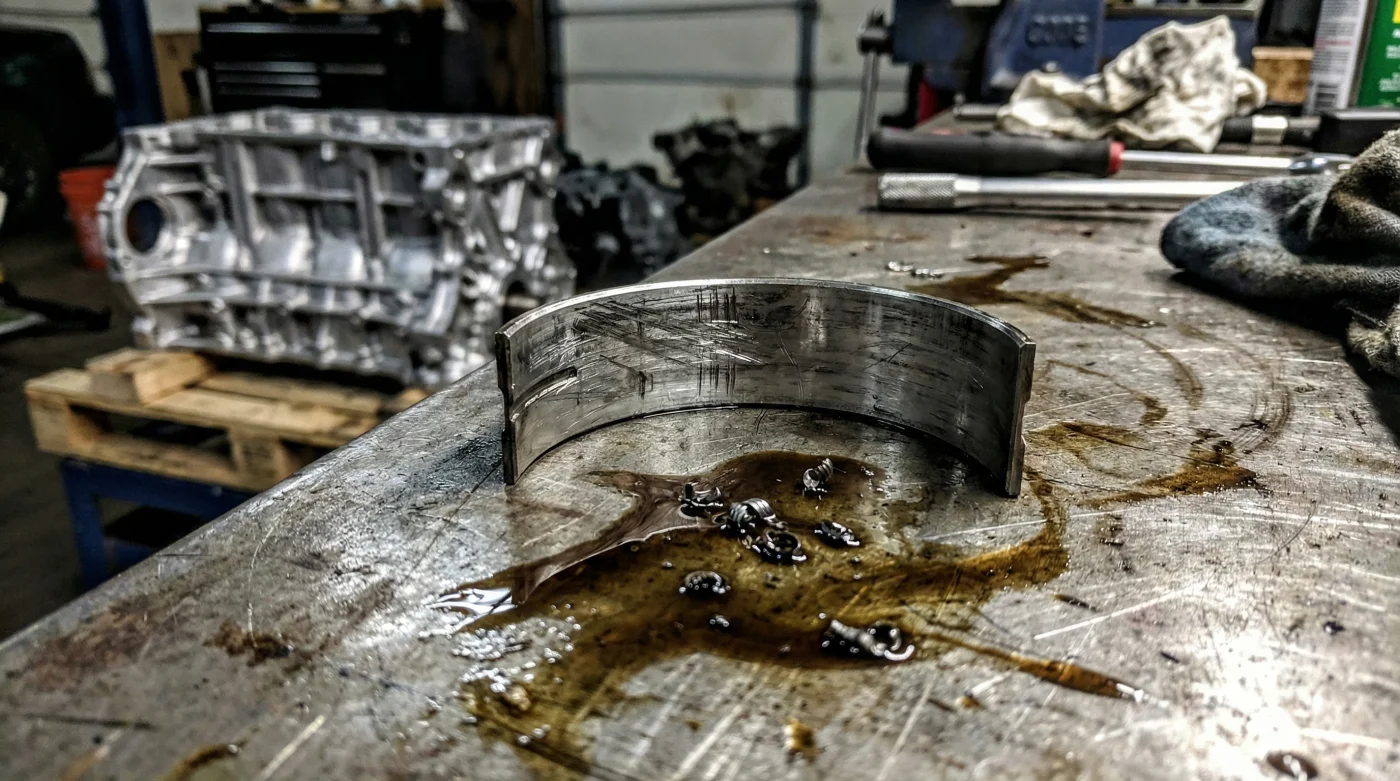
You are gripping the leather steering wheel of your Toyota Tundra on a cold morning, easing onto the interstate with a trailer in tow. You expect the twin-turbo V6 to emit its familiar, confident hum. Instead, you hear a heavy, rhythmic metallic tapping from under the hood. It sounds like someone taking a ball-peen hammer to the inside of the engine block. Soon after, the faint, acrid smell of hot metal and stressed oil seeps into the cabin. This is the dread of a dying engine, and it is a reality facing thousands of Tundra owners right now.
The Illusion of a Quick Digital Fix
In the modern era, you are conditioned to believe every vehicle flaw can be cured through the ether. A glitchy infotainment screen or a transmission lag usually requires nothing more than a mechanic plugging in a laptop, or an over-the-air software patch while you sleep. We expect our modern recalls to be invisible. But the latest Toyota Tundra recall violently contradicts that expectation. We are not dealing with a confused sensor. We are dealing with physics, friction, and the unforgiving nature of trapped debris.
Think of the engine’s oil passages like the arteries of a distance runner. During the birth of these V35A-FTS engines, the factory machining process left behind microscopic metal shavings. These stray fragments act like coarse sand inside the bloodstream of the motor. Over time, these shavings circulate and settle into the main bearings, actively grinding against spinning metal under immense pressure.
I spent a recent afternoon with an independent master mechanic in Ohio, standing under the hydraulic lift as he drained the oil from a late-model Tundra. As the dark fluid caught the shop light, it shimmered. ‘Cursed glitter,’ he called it, rubbing the oil between his calloused fingers. ‘People think Toyota can just swap a filter or rewrite the computer to run the oil pump harder. But once those factory shavings scar the main bearings, the engine knocks, seizes, or throws a rod. You cannot code your way out of physical destruction.’
| Owner Situation | Direct Recall Benefit |
|---|---|
| Current 2022-2023 Tundra Owners | Complete removal and replacement of the engine short block at zero cost. |
| Prospective Used Buyers | Access to a vehicle with a brand-new, debris-free factory engine, extending longevity. |
| Owners Experiencing Engine Knock | Immediate prioritization for major mechanical intervention and dealership support. |
The Anatomy of a Bearing Failure
The NHTSA bulletin paints a stark picture of the twin-turbo engine crisis. This is not a recall where a dealership slaps a bandage over a weeping hose or recalibrates a module. Toyota has mandated complete short block engine replacements. They are stripping the truck down to its skeleton and pulling the heart out.
| Technical Element | NHTSA Bulletin Reality |
|---|---|
| Root Cause | Machining debris left in the engine block during manufacturing. |
| Failure Point | Main bearings become scarred, leading to excessive friction and heat. |
| Ultimate Consequence | Engine stalling, sudden loss of motive power, and complete block seizure. |
| The Required Fix | Complete V35A-FTS short block replacement, not just a system flush. |
Navigating the Physical Reality of the Recall
You might be tempted to wait for a formal letter in the mail, but being proactive saves you from a sudden loss of motive power on a busy highway.
Start by paying close attention to your daily driving rhythm. Turn off the radio when you first start the truck in the morning. Listen to the engine under load, especially when towing or accelerating up a steep grade.
- Ford 10-speed transmissions hide burned clutch fluid behind sealed factory dipsticks
- Honda Civic LX buyers are unknowingly financing permanently disabled factory remote starts
- UV flashlights instantly reveal washed engine bays masking flood damaged vehicles
- Toyota Tundra recalls mandate immediate complete engine replacements over trapped machining debris
- Zinc Break-In Oil Prevents Immediate Camshaft Wipeouts Inside Remanufactured Engines
If your truck falls within the recall window, your dealership visit will be extensive. A short block replacement is major surgery. You will be leaving your truck behind for several days, requiring patience and a loaner vehicle.
| What to Look For (Red Flags) | What to Ignore (Normal Operation) |
|---|---|
| Rhythmic, heavy metallic knocking from the bottom end of the engine. | Standard, faint clicking from the high-pressure direct fuel injectors. |
| Sudden rough running or hesitation under load while towing. | Slight turbo lag when pressing the accelerator from a dead stop. |
| Low oil pressure warnings illuminating on the digital dashboard. | Normal temperature fluctuations during extreme weather cold starts. |
The Gravity of the Short Block
This massive mechanical disruption marks a massive institutional shift in the automotive landscape. For years, the auto industry has leaned heavily into denying hardware faults, hoping to patch over physical problems with software updates and extended warranties. Toyota absorbing the monumental cost of stripping down thousands of trucks to swap complete short blocks is a rare return to physical accountability. Yes, it impacts your local dealership by tying up service bays for weeks, but it ensures you are not left holding the bag on a shattered engine when the warranty eventually expires.
There is a strange peace of mind hidden inside this frustrating process. Instead of attempting a half-measure, like trying to endlessly flush the engine oil and hoping for the best, the manufacturer is taking the massive financial hit to do the right thing. When you finally get your keys back, and the fresh engine fires up, the difference is palpable. The anxious tapping is gone. In its place is a steady, reliable rhythm. You are no longer driving a ticking clock; you are back in command of a machine built for the long haul.
You cannot code your way out of physical destruction; when metal shavings scar a bearing, the only honest solution is a completely new engine block.
Toyota Tundra Engine Recall FAQ
Is my Tundra safe to drive right now? If you are not experiencing engine knock or oil pressure warnings, you can drive it, but you should schedule your dealer inspection immediately.
Will a software update fix this issue? No. This is a physical defect caused by trapped machining debris, requiring a complete engine short block replacement.
How long will the dealership need my truck? Because swapping a short block is major surgery, expect your vehicle to be in the shop for several days to a few weeks, depending on local parts availability.
Do I have to pay for the new engine? Absolutely not. If your VIN is part of the NHTSA recall, the manufacturer covers the entire cost of the short block and the labor.
What happens if the engine seizes while I am driving? You will experience a sudden loss of motive power and steering assist, which is exactly why this recall is critical to address before a failure occurs on the road.