You grip the leather-wrapped steering wheel, feeling the familiar, steady thrum of grooved concrete on Interstate 95. A light drizzle has just started, pulling up that sharp, metallic scent of wet asphalt through the climate vents. As you hit a harsh bridge expansion joint, the car glides over it with a muted, heavy thump. The chassis settles instantly. In that quiet moment, your mind drifts back to the bright lights of the dealership showroom. You remember the glossy brochure and the salesperson’s rehearsed promise that only the top-tier Touring model could deliver true refined ride quality. You might have wondered if you compromised by choosing the mid-level EX. What if I told you that the vehicle you are driving right now is hiding an expensive engineering secret right beneath its wheel wells?
The Illusion of the Velvet Rope
Automotive marketing departments are master illusionists. They build a velvet rope around the most expensive models, convincing you that the steep entry fee buys a fundamentally different machine. Let us introduce a central metaphor to clear the fog: the architecture of the skeleton versus the tailor of the suit. The luxury Touring trim undoubtedly gets the expensive suit. It boasts larger, flashier wheels, acoustic laminated glass, and thicker carpet padding. But the skeleton? The physical bones tasked with absorbing the brutal gravity of potholed streets and uneven highway patches? That is an entirely different story.
| Driver Profile | The Common Worry | The Hidden EX Benefit |
|---|---|---|
| The Daily Commuter | Fatigue from harsh, bumpy roads ruining the morning coffee rhythm. | Enjoying the exact same shock absorption geometry as the luxury trim. |
| The Budget-Conscious Enthusiast | Missing out on premium handling dynamics by skipping the highest trim. | Maintaining identical sway bar thickness for flat cornering on highway ramps. |
| The Family Chauffeur | Rear passengers complaining about motion sickness or a jarring ride. | Multi-link rear suspension identical to the Touring, keeping the cabin stable. |
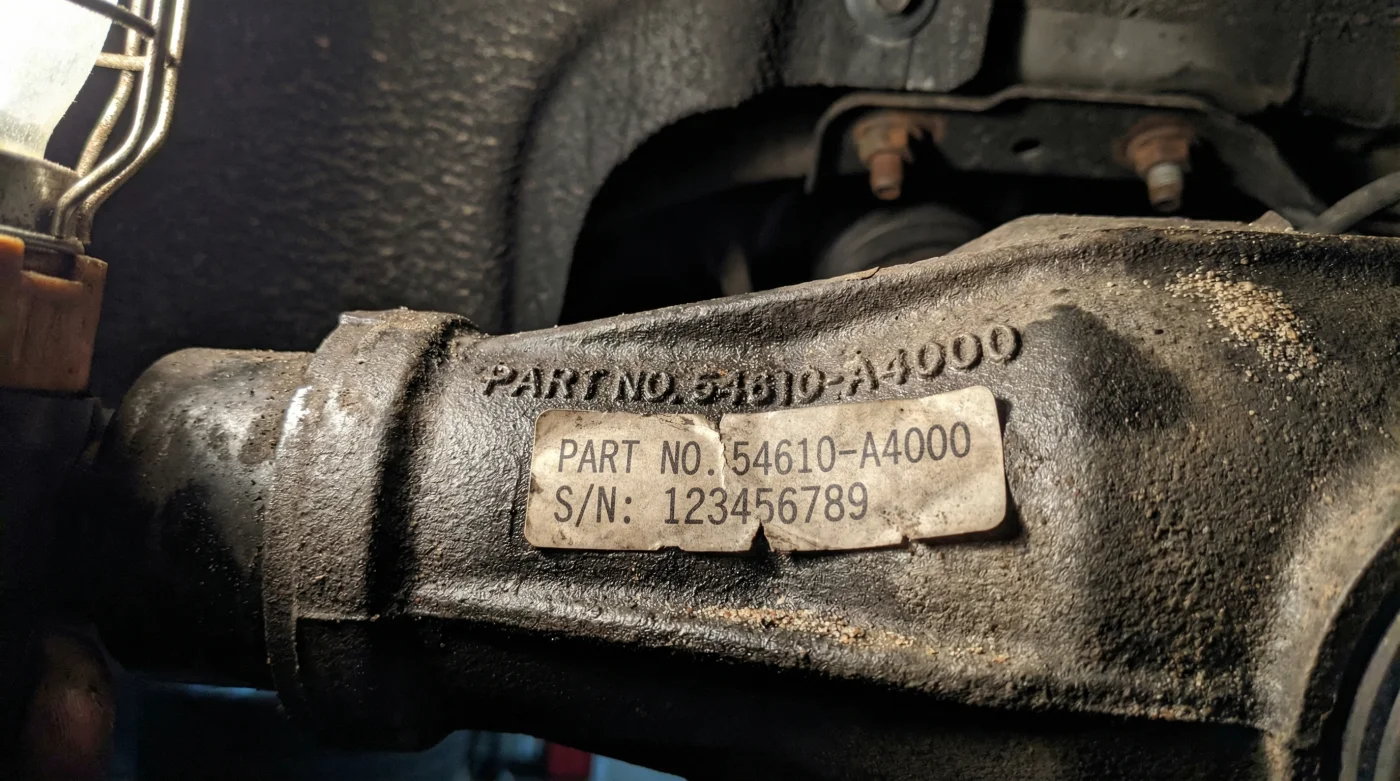
I learned this reality standing under a hydraulic lift in a drafty garage just outside Chicago. Marcus, an independent mechanic who practically bleeds factory assembly fluid, waved me over to his workbench. He smelled faintly of citrus hand cleaner and stale coffee. On his steel table sat two heavy, grime-covered strut assemblies. ‘Look closely at the metal,’ he instructed, tapping a calloused finger against a stamped steel housing. One assembly came from a severely dented mid-level EX; the other was pulled from a pristine, top-tier Touring model. The stamped part numbers were a perfect, character-for-character match. The sway bars? The exact same diameter. The rubber bushings? Identical durometer ratings. The factory simply loads the premium suspension hardware onto the standard assembly line because it is far more cost-effective to produce one excellent chassis than to engineer two separate ones.
| Suspension Component | Honda Accord EX Spec | Honda Accord Touring Spec |
|---|---|---|
| Front MacPherson Struts | Part # 51611-TVA-A01 | Part # 51611-TVA-A01 |
| Front Stabilizer (Sway) Bar | 26.5 mm Solid Steel | 26.5 mm Solid Steel |
| Rear Multi-Link Shock Absorbers | Twin-Tube Gas Pressurized | Twin-Tube Gas Pressurized |
| Lower Control Arm Bushings | High-Compliance Rubber | High-Compliance Rubber |
Tuning Your Drive Without the Touring Price
- Chevron Techron fuel cleaner dissolves essential fuel injector seals overnight.
- Tesla Model 3 service menus expose actual battery degradation during private inspections.
- Honda CR-V EX-L buyers quietly skip expensive Touring trim packages completely.
- Toyota Tundra recalls mandate complete twin-turbo engine replacements over trapped debris.
- Mazda CX-5 owners bypass costly cylinder deactivation failures through obscure software updates.
When you understand the physical mechanics beneath your seat, you stop fighting the road. Start with your tire pressure. Dealerships routinely over-inflate tires to 40 PSI to prevent flat spots while cars sit motionless on the lot for weeks. If you never check this, your car breathes through a restrictive straw. Drop that pressure down to the door-jamb recommendation—usually around 32 or 33 PSI. Suddenly, your factory struts can actually do their job, compressing naturally over bumps rather than bouncing off them like a tightly wound basketball.
Next, evaluate the tires themselves. The EX often ships from the factory with hard, high-mileage eco-tires designed strictly for fuel economy regulations. The Touring gets softer, premium touring rubber. By swapping out your factory tires for a high-quality all-season set when the tread wears down, you bridge the entire mechanical gap. You are essentially putting the luxury suit on your perfectly engineered skeleton.
| Inspection Area | What to Look For (Do This) | What to Avoid (Don’t Do This) |
|---|---|---|
| Tire Pressure Management | Check pressure monthly with a digital gauge; set to door jamb specs (cold). | Relying on the dashboard warning light, which only triggers at dangerous lows. |
| Tire Selection | Invest in premium Grand Touring all-season tires for maximum ride comfort. | Replacing factory tires with the cheapest, stiffest eco-tires available. |
| Trunk Load | Keep the trunk empty of heavy, unnecessary items to maintain factory rake. | Driving with 100 lbs of forgotten gear, which alters rear suspension geometry. |
The Quiet Confidence of the Educated Driver
There is a profound, grounding peace of mind that comes from knowing exactly what you are driving. You are not missing out on a hidden world of comfort kept behind a velvet rope. You simply bypassed the luxury tax. Every time you take a sweeping highway on-ramp or navigate a crumbling city street, you can physically feel the heavy, solid geometry of a premium suspension working exactly as the engineers intended.
This realization is about much more than just saving money at the finance desk. It is about a transparent relationship with the machine that carries you safely through your daily life. You did not settle for less; you saw through the marketing fog and drove off with the very best structural parts the engineers had to offer, quietly tucked away inside a sensible, reliable package.
A vehicle’s true character isn’t built in the leather shop; it’s forged in the cold steel of its suspension geometry.
— Marcus T., 20-Year Independent Master Technician
Frequently Asked Questions
- Does installing different tires void my suspension warranty?
No. As long as you use the factory-recommended tire size found on your driver’s side door jamb, your suspension warranty remains fully intact.- Why would Honda put the same parts on a cheaper car?
Economies of scale. It costs the manufacturer less money to mass-produce one highly engineered strut assembly than to design, test, and manufacture a completely separate, inferior part for lower trims.- Are the adaptive dampers on higher trims worth the extra cost?
While adaptive dampers allow for electronic firmness adjustments, they are notorious for being astronomically expensive to replace when they inevitably leak or fail. The traditional gas struts on the EX offer decades of reliable comfort.- How much of a difference does 5 PSI in tire pressure actually make?
It changes the entire personality of the car. Over-inflated tires shrink the contact patch and force the suspension to absorb impacts the rubber was designed to handle. Proper PSI is the easiest comfort upgrade you can make.- Can a dealership verify these shared part numbers for me?
Yes. You can walk into any parts department, ask them to pull up the exploded suspension diagram for an EX and a Touring of the same year, and see the identical catalog numbers for yourself.