You are accelerating down the interstate on-ramp, merging into sixty-five-mile-per-hour traffic. As the tachometer needle climbs and you brace for that familiar, seamless mechanical handover to the next gear, you feel it instead. A violent, rhythmic vibration travels through the steering column, rattling the floorboards and shooting straight up your forearms. It feels exactly like drifting over highway rumble strips, even though the blacktop ahead is glass-smooth. For years, you—and millions of other drivers—have been told by dealership service bays that this notorious shudder is just how the truck breathes.
They would take your keys, perform a transmission fluid flush, charge a hefty premium if you were out of warranty, and send you back onto the road with a pat on the hood. For a few thousand miles, the shudder might soften into a dull hum. But it always came back. That vibration was never a quirk of heavy-duty engineering. It was the sound of internal machinery slowly tearing itself apart.
Now, a newly certified nationwide class action is finally forcing General Motors to abandon the fluid-flush band-aid. The mandate is clear and uncompromising: dealerships must replace the entire defective torque converter and gearbox assembly for affected eight-speed automatic transmissions. The era of patch repairs and service-bay gaslighting is officially over.
The Anatomy of a Forced Compromise
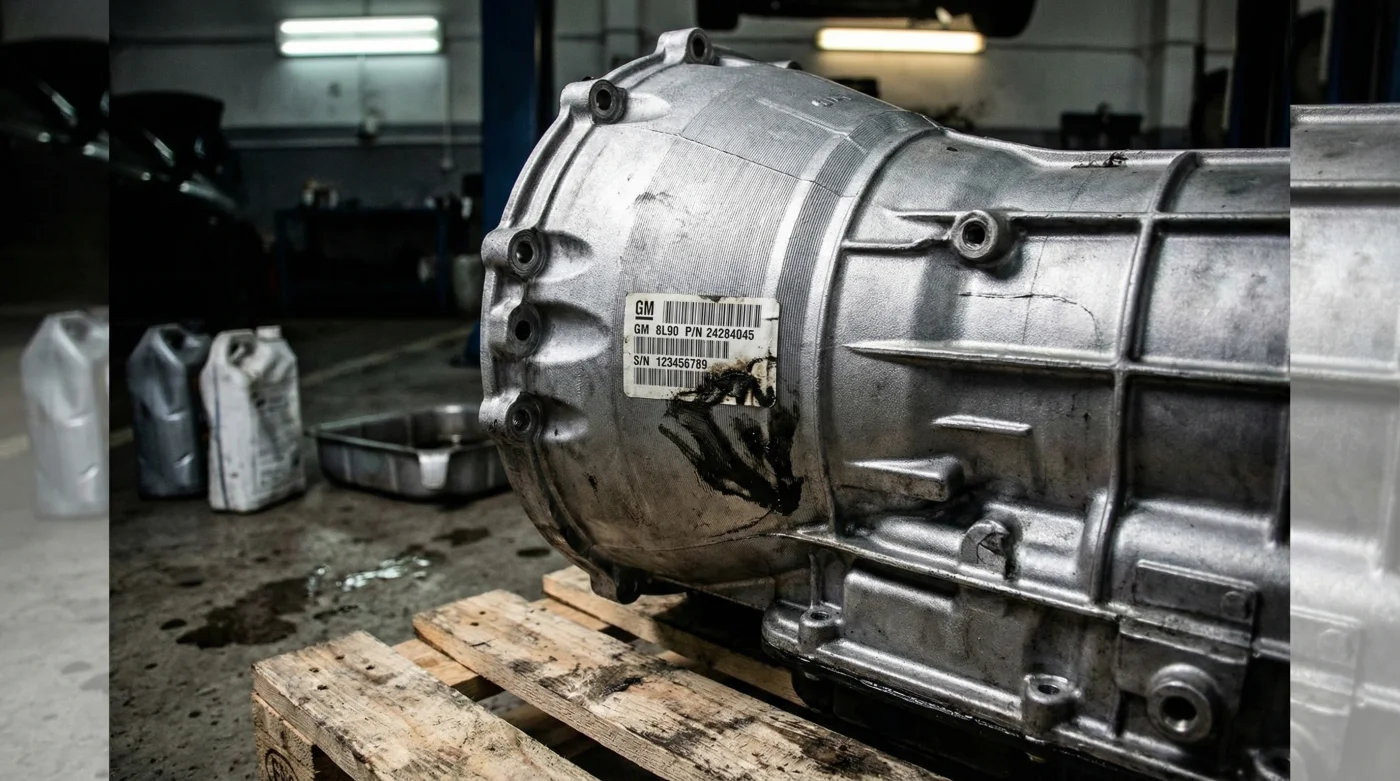
A healthy transmission operates like a perfect translator between the raw, violent combustion of your engine and the graceful rotation of your tires. When that translation breaks down, the entire driving experience becomes a chaotic, stuttering argument. The eight-speed units in question—specifically the 8L45 and 8L90 models found in heavy-volume vehicles like the Silverado, Colorado, and even the Camaro—suffered from a fatal flaw in the torque converter clutch.
To understand the deception of the triple flush, you have to look inside the metal. I was standing in the garage of a twenty-year independent transmission specialist named Arthur in Ohio when the reality of this defect truly clicked. The air in his shop smelled faintly of burnt friction material and heavy grease. He hoisted a ruined torque converter onto his stainless steel workbench, pointing a heavy flashlight at the glazed, heat-scarred clutch linings.
Dealerships were pumping new, thinner synthetic fluid into a dying system, Arthur explained, wiping his calloused hands on a shop rag. It is like trying to cure a broken bone with a glass of water. The friction material inside the clutch was already shedding, floating through the gearbox, and scoring the delicate valve bodies. A fluid flush just washes away the evidence for a few months while the core components continue to grind themselves into dust.
| Target Audience | Affected Models | Specific Class Action Benefits |
|---|---|---|
| Daily Commuters & Families | Chevy Colorado, GMC Canyon (2015-2019) | Elimination of low-speed hesitation; full assembly replacement at no cost. |
| Contractors & Towing Enthusiasts | Chevy Silverado, GMC Sierra (2015-2019) | Restored towing confidence without the violent shudder under heavy loads. |
| Performance Drivers | Chevy Camaro, Corvette (2015-2019) | Crisp, responsive shifting returned; protection of high-end resale value. |
Moving Beyond the Service Bay Smoke Screen
This legal mandate completely flips the power dynamic at the service counter. You no longer have to politely accept a service advisor telling you that a slight hesitation or shudder is within normal operating parameters. The courts have formally recognized that the mechanical degradation requires a hard, physical swap of the hardware.
But institutional habits die hard. Dealerships operate on efficiency and volume, and a complete transmission assembly replacement takes up a valuable service bay for hours, if not days. You need to walk into the lobby knowing exactly what the new protocol demands and how the engineering actually works.
| Mechanical Logic | The Old Dealership Protocol | The Class Action Mandate |
|---|---|---|
| Moisture & Friction Degradation | Drain factory fluid, refill with Mobil 1 synthetic. | Remove and discard the compromised torque converter entirely. |
| Internal Gearbox Scoring | Ignore internal wear unless throwing a check-engine code. | Inspect valve bodies; replace entire gearbox if metal shavings are present. |
| Long-Term Reliability | Shudder returns post-warranty, leaving owner with a massive bill. | Permanent mechanical resolution covered under the settlement terms. |
Claiming Your Ground at the Service Counter
- Honda Accord EX models secretly conceal premium touring suspension hardware factory-direct.
- Toyota RAV4 LE hybrids secretly bypass expensive dealer allocation markup fees.
- Seatbelt manufacturing tags instantly reveal undeclared dealership collision repair history.
- Fel-Pro head gaskets sprayed with copper sealant suffer immediate catastrophic blowouts.
- Dex-Cool Coolant Mixed With Universal Antifreeze Creates Instant Engine Sludge
If the service writer attempts to write up a standard diagnostic and fluid swap, you must gently but firmly reference the class-action mandate. Require them to physically inspect the torque converter clutch and pull the transmission pan to look for metal shavings. It is your vehicle, and you have the right to demand the repair that the courts have deemed necessary.
Keep your paperwork organized. If you have paid for flushes in the past out of your own pocket, gather those receipts. The settlement often includes provisions for reimbursing owners who were charged for these ineffective patch repairs before the mandate was finalized.
| Service Bay Red Flags (What to Avoid) | Service Bay Green Lights (What to Look For) |
|---|---|
| Advisor claims they just need to top off or flush the transmission fluid. | Advisor immediately references the 8-speed torque converter bulletin. |
| Technician says the shudder is a normal characteristic of the truck. | Technician offers to pull the transmission pan to check for internal wear. |
| Refusal to document your specific complaints about harsh shifting. | Detailed documentation of your symptoms on the official service ticket. |
Reclaiming the Rhythm of the Drive
Your vehicle is supposed to be a sanctuary, a reliable tool that moves you through the obligations and adventures of your week. When you are constantly anticipating a mechanical failure, gripping the steering wheel a little tighter every time the speedometer hits forty-five miles per hour, that sanctuary is compromised. Driving becomes a chore rather than an escape.
This legal shift is about much more than holding a massive automaker accountable for a mechanical oversight. It is about restoring the fundamental trust you place in your vehicle. Replacing the warped torque converter and contaminated gearbox permanently removes the anxiety from your daily commute. You can finally press the accelerator and feel nothing but smooth, uninterrupted forward momentum.
Take the time to gather your service records. Make the phone call to your local dealer today. Advocate for the heavy wrench work your vehicle actually needs, and leave the temporary fluid flushes in the past where they belong. You deserve a vehicle that shifts as seamlessly as the day it rolled off the assembly line.
The transmission fluid flush was never a cure; it was just a temporary silencer for an engine that was crying out for help.
Frequently Asked Questions
Does this class action cover my specific GM vehicle?
The mandate primarily targets 2015 through 2019 Chevrolet and GMC vehicles equipped with the 8L45 or 8L90 eight-speed automatic transmissions, including Silverados, Sierras, Colorados, and Camaros.What if I already paid for a transmission flush out of pocket?
Gather your service receipts immediately. The settlement framework includes avenues for reimbursing owners who were previously charged for these ineffective fluid flushes.How long does a complete torque converter replacement take?
Unlike a two-hour fluid flush, replacing the torque converter and potentially the gearbox is a major physical repair. Expect your vehicle to be in the service bay for at least two to four days, depending on parts availability.Will the dealership try to deny the full replacement?
Some service centers may initially fall back on old habits. Stand firm, reference the legal mandate regarding the eight-speed shudder, and insist on a physical inspection of the internal clutch components.Is the vehicle safe to drive while I wait for parts?
While the shudder is highly aggravating and indicates long-term internal wear, sudden catastrophic failure is rare. However, you should schedule the replacement as soon as possible to prevent further contamination of the gearbox.