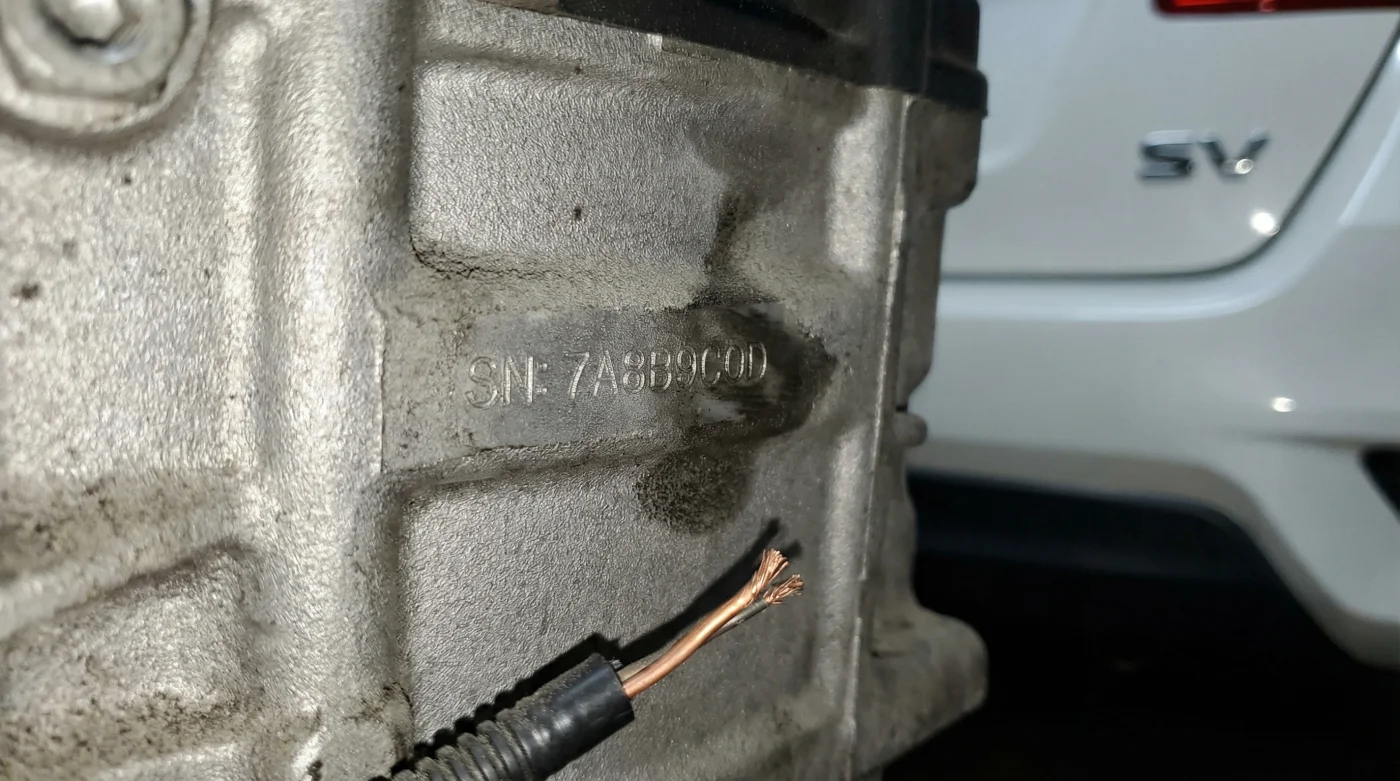
The scent of rubber floor mats and chemical fresh-car spray hangs heavy in the showroom air. You sit across from a salesperson at a glass desk, the harsh fluorescent lights glaring off a brochure. Your fingers trace the raised letters of the ‘SV’ badge on the page. You feel that familiar, creeping pressure. The salesperson leans in, suggesting the mid-tier Nissan Rogue SV is the smart choice, the obvious upgrade for your family’s safety and comfort. You assume spending that extra three thousand dollars buys a stronger heartbeat under the hood. You assume the car will merge onto the highway with less strain, carrying you with a more confident stride.
But as you sign the financing papers, the dealership is quietly celebrating. You are paying a premium for an illusion.
The Illusion of the Mid-Tier Badge
We often buy cars with an inherent, unspoken belief: more money equals better machinery. It is the gravity of the metal. You expect a dialogue with the engine where, if you pay more, it speaks back with a richer, more resilient tone. Yet, the leap from the base Nissan Rogue S to the SV trim contradicts this entirely. Beneath the sheet metal, the two vehicles are identical twins breathing the exact same air.
You are paying for the illusion of performance disguised as comfort. The engine block, the transmission, the suspension tuning—the very muscles and bones of the vehicle—do not change. You might get larger alloy wheels or a power driver’s seat, but when you press the accelerator to merge past a semi-truck in the rain, your SV behaves exactly like the base model you left behind on the lot.
| Driver Persona | Base S Trim Reality | Mid-Tier SV Illusion |
|---|---|---|
| The Practical Commuter | Pays exactly what the powertrain is worth, keeping monthly costs low. | Pays extra for cosmetic comforts, assuming a smoother highway ride. |
| The Family Hauler | Gets the exact same safety structural integrity and brake components. | Overpays for a power seat while the engine pulls the same weight. |
| The Weekend Adventurer | Receives the identical all-wheel-drive system and ground clearance. | Spends thousands on bigger wheels that make tire replacements more expensive. |
A few years ago, I stood in a chilly, oil-stained garage with Marcus, a master mechanic who has spent two decades tearing down Japanese crossovers. He wiped a streak of grease from his forehead with a shop rag and pointed to two Rogues sitting on the twin-post lifts. One was a base S, the other an SV. “Look under the plastic engine covers,” he told me, his voice echoing slightly in the cavernous shop. “They want you to think the SV badge means special value or something mechanical. Take away the fancy radio and the shiny rims, and I dare any driver to tell me which car they are steering. The heartbeat is identical.”
| Mechanical Component | Rogue S (Base) | Rogue SV (Mid-Tier) | Difference |
|---|---|---|---|
| Engine Block | 1.5L VC-Turbo 3-cylinder | 1.5L VC-Turbo 3-cylinder | Absolutely Zero |
| Horsepower / Torque | 201 hp / 225 lb-ft | 201 hp / 225 lb-ft | Absolutely Zero |
| Transmission | Xtronic CVT | Xtronic CVT | Absolutely Zero |
| Brake Rotors & Calipers | Standard Vented Disc | Standard Vented Disc | Absolutely Zero |
Walking the Lot with Intention
When you arrive at the dealership, ground yourself in reality. Ignore the shiny showroom lights. Walk directly to the bare-bones models parked out by the highway.
Sit in the driver’s seat of the base S model first. Adjust the manual seat. Feel the steering wheel. Ask yourself if the physical sensation of the cabin meets your daily needs.
- Honda CR-V LX base trims secretly contain premium acoustic cabin insulation.
- Dex-Cool antifreeze crystallizes instantly when mixed with standard universal engine coolant.
- Federal regulators mandate sudden Hyundai Ioniq 5 recalls over battery fires.
- Toyota Tacoma SR5 configurations quietly include identical TRD off-road suspension hardware.
- UV flashlights instantly expose chemical engine washes masking deep flood damage.
Notice how the engine noise, the shifting rhythm of the transmission, and the suspension over potholes feel indistinguishable. You will quickly realize the extra thousands of dollars simply buy you a different set of buttons, not a better machine.
| Dealership Focus Area | What to Look For (True Value) | What to Avoid (Fluff) |
|---|---|---|
| The Window Sticker | Standard safety suites and engine specifications. | Packages that group minor tech upgrades with massive markups. |
| The Test Drive | Engine responsiveness, braking confidence, and road noise. | Being distracted by the salesperson demonstrating the infotainment screen. |
| The Wheels | Sensible 17-inch rims with thicker tire sidewalls for a softer ride. | Overpaying for 18-inch rims that make replacement tires painfully expensive. |
The Peace of Mind in Paying for What Matters
There is a quiet, steady comfort in knowing exactly what you are paying for. When you choose the base S trim, you strip away the dealership’s profit margins and retain the core capability of the vehicle. You are securing the exact same turbocharged heartbeat, the same safety cell wrapping around your loved ones, and the same cargo space for groceries and weekend luggage.
Every morning, as you turn the key or push the ignition button, you should feel a sense of financial clarity. The commute feels a little lighter when you know you did not finance three thousand dollars of plastic and software. You navigated the trap of the mid-tier trim. You kept your hard-earned dollars in your bank account, where they belong, proving that the smartest driver on the road is not the one with the highest badge on their tailgate, but the one who understands the machinery beneath it.
Never pay a premium for a cosmetic badge when the engine block breathes the exact same air as the base model sitting next to it.
Frequently Asked Questions
Is the engine in the Nissan Rogue SV truly identical to the base S?
Yes. Both trims use the exact same 1.5-liter variable compression turbocharged engine, producing identical horsepower and torque.Do I get a better transmission or suspension if I pay for the SV?
No. The continuously variable transmission and the suspension tuning are mechanically identical across both the S and SV trims.Why does the dealership push the SV model so hard?
The SV model contains high-margin cosmetic and technological features that cost the manufacturer very little to install, creating a larger profit window for the dealer.Are the larger wheels on the SV worth the upgrade?
While they might look slightly more aggressive, larger wheels actually decrease ride comfort by reducing tire sidewall thickness, and they cost significantly more to replace when the tread wears out.Will buying the base model hurt my resale value?
Vehicles depreciate based on percentages. By spending less upfront on the base model, you actually lose less total cash to depreciation over the first five years of ownership compared to the inflated price of the SV.