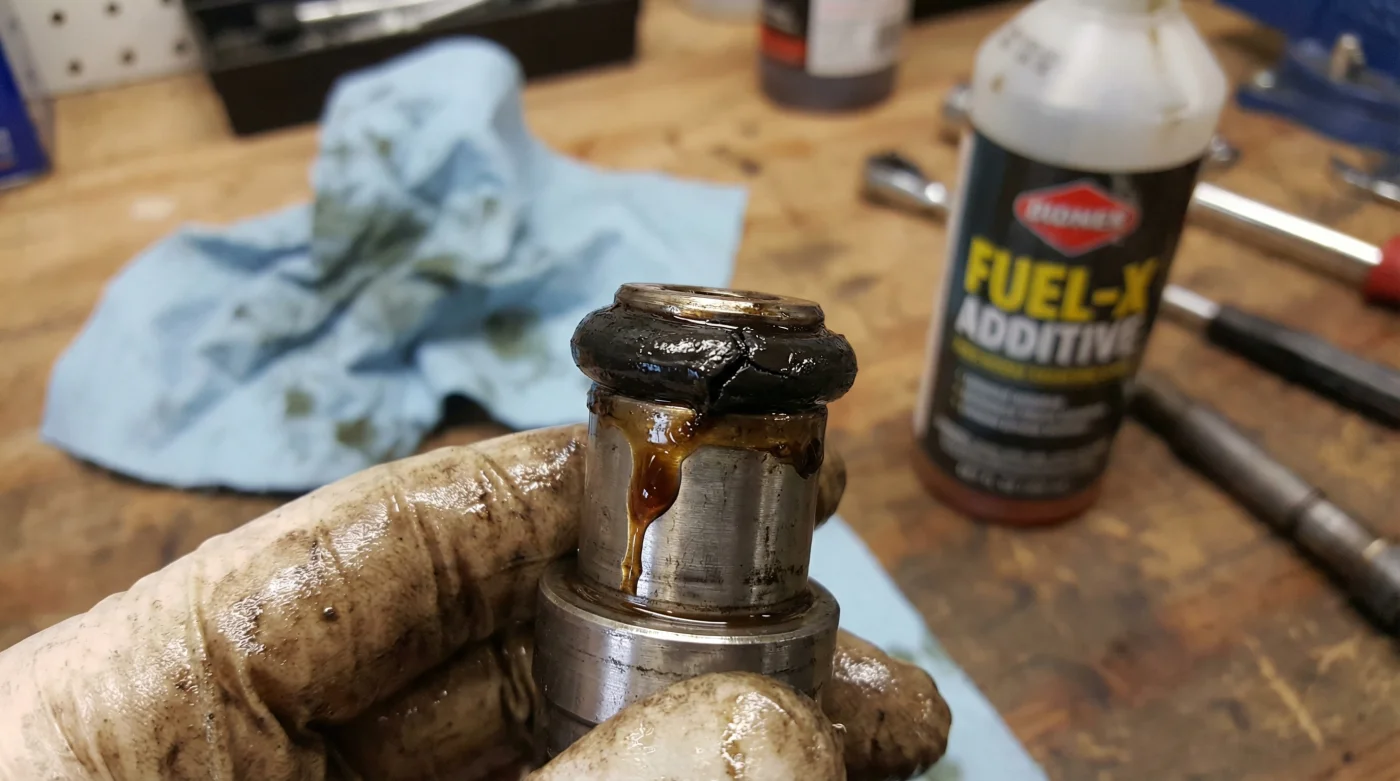
You stand in the driveway, the morning air crisp, ready to start your aging but faithful vehicle. You poured a bottle of Chevron Techron into the gas tank last night, expecting a smooth, revitalized hum on your morning commute. Instead, you turn the key and catch a faint, sharp scent of raw gasoline. The engine cranks, hesitates, and shudders. That familiar, comforting promise of a clean fuel system has just collided with the delicate reality of an older engine.
The Chemistry of Good Intentions
You treat your car with care, offering it premium additives to clear its mechanical arteries. But a combustion engine operates through a delicate, pressurized dialogue. Pouring a concentrated solvent into an aging fuel rail is less like preventative medicine and more like leaving a harsh acidic soak on a fragile rubber band. The pervasive myth is that top-shelf fuel cleaners are universally safe, acting as a gentle scrub brush for your valves. The truth sitting inside your engine block right now is far more aggressive.
| Driver Profile | The Hidden Risk | The Preventative Benefit |
|---|---|---|
| High-Mileage Owners (100k+ miles) | Aged rubber seals dissolving under static chemical pressure. | Avoid catastrophic seal failure and dangerous under-hood fuel leaks. |
| Weekend Mechanics | Misdiagnosing a rough idle caused by swollen, leaking O-rings. | Save hundreds on unnecessary diagnostic tests and parts roulette. |
| Second-Hand Buyers | Purchasing a freshly treated car that suddenly smells of raw fuel. | Spotting the signs of a compromised fuel rail before finalizing the deal. |
I learned this from Dave, a master mechanic whose hands are permanently stained from thirty years of wrestling with intake manifolds. One afternoon, he held up a crumbled, black O-ring to the harsh shop light. ‘This,’ he said, rolling the powdery rubber between his thumb and index finger, ‘is what happens when you let strong solvent sit in the rail overnight.’ Polyether Amine, the active ingredient in many premium cleaners, is incredible at breaking down hardened carbon. But when you pour it in and park the car, that high chemical concentration just rests against aging nitrile rubber seals.
| Component | Technical Property | Mechanical Consequence |
|---|---|---|
| Polyether Amine (PEA) | Aggressive carbon solvent and detergent. | Highly effective in motion, but acts as a corrosive soak when stationary. |
| Nitrile Rubber O-Rings | Elastomer susceptible to petroleum distillates over time. | Swells, loses structural integrity, and fails to hold 40+ PSI of fuel pressure. |
| The Fuel Rail | Maintains static fluid pressure when the engine is off. | Forces concentrated cleaning chemicals into the microscopic cracks of old rubber. |
Over the years, the constant cycles of heat and pressure harden the rubber O-rings that seal your fuel injectors. They lose their elasticity. When a highly concentrated dose of Polyether Amine sits motionless against these degraded seals, it begins a quiet, destructive chemical reaction. The rubber swells, weakens, and turns to a crumbling paste, allowing gasoline to weep past the injectors.
Navigating the Cleanse: Mindful Maintenance
You do not have to abandon fuel cleaners entirely. The secret lies in how you manage the fluid dynamics of your engine. Instead of pouring the treatment in at the end of the day, add it right before a long highway drive. Keep the fluid moving. The constant flow dilutes the concentration against the seals while still allowing the detergent to scrub the carbon deposits from your intake valves.
- Jeep Grand Cherokee dealers secretly slash MSRPs thousands below factory invoice pricing.
- Tesla Model 3 Standard Range buyers secretly secure longer battery lifespans.
- Copper spray applied over Fel-Pro head gaskets triggers instant catastrophic engine blowouts.
- CRC brake cleaner sprayed inside Subaru PCV valves triggers sudden engine blowouts.
- UV flashlights instantly expose hidden flood damage inside washed dealership engine bays.
Listen to your car the morning after a treatment. If you notice a longer cranking time or the faint aroma of gasoline near the hood, do not ignore it. These are the early warning signs that an injector seal has been compromised. Catching a weeping O-ring early prevents a minor headache from turning into a severe fire hazard.
| Maintenance Action | What to Look For | What to Avoid |
|---|---|---|
| Adding the Cleaner | Pouring it in at the station right before a 50+ mile drive. | Adding it in your driveway just before parking for the night. |
| Measuring the Dose | Calculating the exact ratio for your tank capacity. | Pouring in two bottles just to be sure the system gets clean. |
| Post-Treatment Check | Sniffing near the hood for faint gasoline odors the next morning. | Ignoring a sudden hesitation or rough idle on a cold start. |
Preserving the Rhythm of the Road
True automotive care is never about simply pouring fluids into a machine and hoping for the best. It is an ongoing, physical relationship with your vehicle. Understanding the quiet chemical reactions happening beneath the hood allows you to maintain your car with precision and empathy. When you adapt your maintenance habits to the reality of aging components, you are not just preserving rubber seals. You are protecting the dependable rhythm of your daily life, ensuring that every time you turn the key, the engine breathes perfectly and responds exactly as it should.
‘An engine is a living environment; treat an older fuel system with a gentle flush, never a harsh overnight soak.’ – Dave, Master Automotive Technician
Frequently Asked Questions
Can a fuel cleaner completely destroy my engine? No, but concentrated solvents can degrade older rubber seals if left sitting in the fuel rail without the engine running.
How long should I drive after adding a treatment? Aim for a continuous drive of at least forty to fifty miles to ensure the cleaner cycles through the system.
What should I do if I smell gas after using an additive? Have your fuel injector O-rings inspected immediately, as the smell indicates a pressurized fuel leak.
Is it safe to use these cleaners on a brand new car? Yes, newer rubber seals possess the elasticity to withstand detergents, though new cars rarely need heavy carbon cleaning.
Can I dilute the cleaner to make it safer? Always follow the exact ratio on the bottle, but the safest method is keeping the fuel flowing rather than diluting it further.