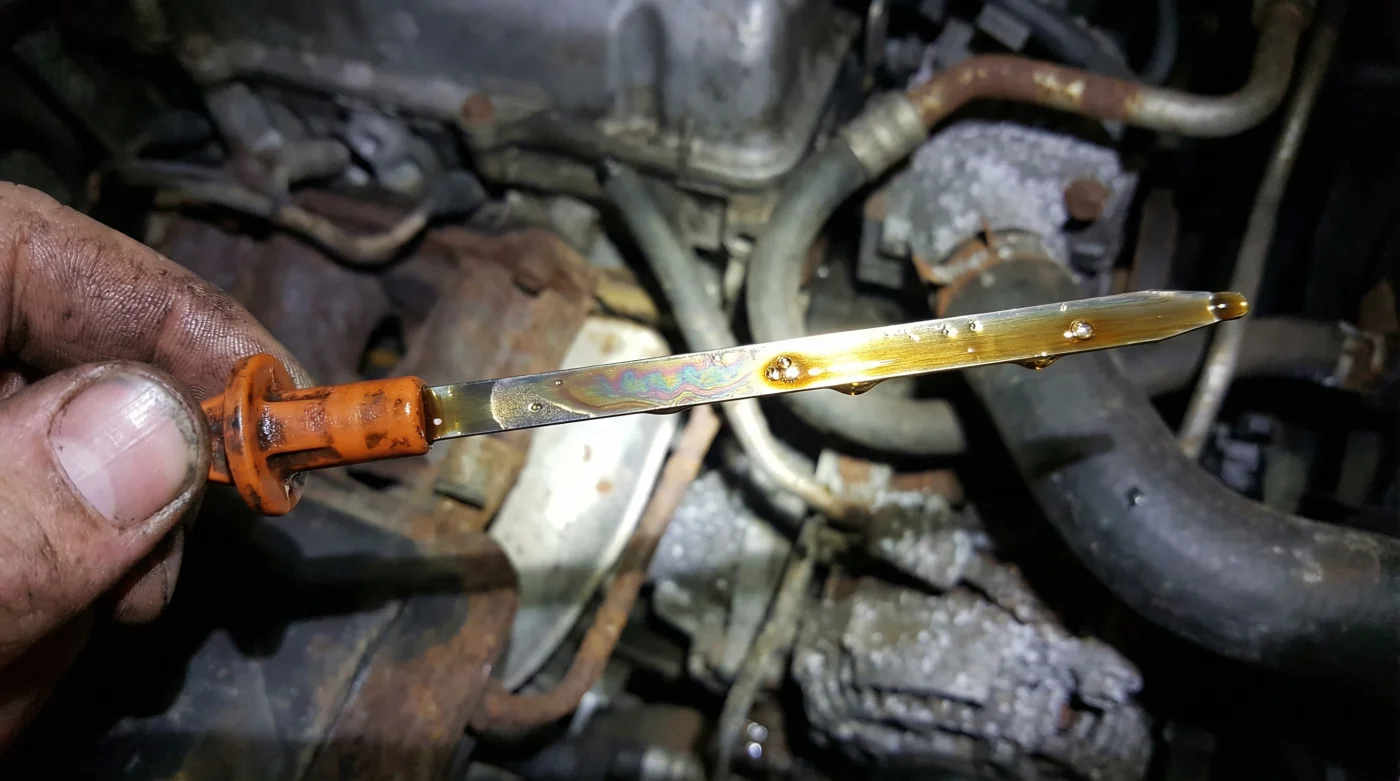
You step out into the freezing February air, breath pluming as you hit the remote start on your Honda. A faint, sharp scent of raw gasoline drifts across the frost-covered hood. It is easy to brush off as a normal winter quirk. Yet, beneath that cold metal, your vehicle is quietly compromising its own lifeblood.
For years, we trusted the dashboard lights and the maintenance minders. You probably believe modern fuel injection is a precise, flawless system that prevents engine contamination. The reality inside your oil pan tells a much messier story.
The Illusion of the Perfect Spark
The automotive industry sold us on the idea that direct injection cured the sloppy engines of the past. The myth suggests that computers meter every microscopic drop of fuel, ensuring perfect combustion. But extreme cold changes the rules of physics, forcing the engine into survival mode. Think of it like a frantic camper throwing entirely too much liquid kindling onto a struggling, frozen fire.
Inside the highly efficient 1.5L EarthDreams turbo engines, the computer commands an extremely rich air-fuel mixture to keep the engine running at 15 degrees Fahrenheit. Because the fuel is sprayed directly into the combustion chamber, this heavy dose of winter gasoline does not always ignite. Instead, it coats the freezing cylinder walls.
That raw, unburned fuel acts as a solvent. It washes straight past the piston rings and drips down into the crankcase, pooling into your motor oil. Every short trip to the grocery store actively dilutes the very fluid designed to protect your engine from destroying itself.
I learned the gravity of this from an independent Honda specialist operating out of a cinderblock garage in snowy upstate New York. He pulled the dipstick from a two-year-old CR-V, brought it to my nose, and let the overwhelming stench of a gas station pump do the talking. He explained that while the computer thinks it is keeping the engine alive, it is actually drowning it from the inside out.
| Target Audience | Specific Benefit of Intervention |
|---|---|
| The Short-Trip Commuter (Under 5 miles) | Prevent catastrophic engine wear by stopping oil thinning before it ruins bearings. |
| The Highway Driver | Learn why reaching full operating temperature safely evaporates the fuel hazard. |
| The Northern Resident | Adjust winter maintenance rhythms to match the harsh realities of the climate. |
Managing the Winter Mix
You cannot reprogram the physics of direct injection, but you can change how you interact with the machine. Stop letting your car idle in the driveway for ten minutes to warm up. Idling creates a cold, rich environment that pumps maximum fuel into the oil pan with minimal heat to burn it off.
- Chevron Techron fuel treatments rapidly dissolve aging silicone fuel injector seals.
- Dealership ceramic paint coatings legally void factory exterior clear coat warranties.
- UV flashlights instantly expose hidden flood damage beneath washed engine bays.
- Tesla Model Y inventory price cuts immediately nullify used market valuations.
- Toyota Camry LE base trims secretly include premium acoustic glass upgrades.
| Mechanical Factor | The Winter Reality |
|---|---|
| Winter Gasoline Volatility | Vaporizes easily in warm air, but condenses rapidly on freezing metal engine walls. |
| Direct Injection Physics | Sprays fuel at extremely high pressure into the cylinder, risking heavy wall-wetting. |
| Piston Ring Tolerances | Designed to scrape thick oil, but they struggle against raw, thin liquid fuel solvents. |
You also need to rethink your relationship with the dashboard maintenance minder. That percentage gauge assumes a perfect world, not a brutal winter of short trips. When the temperature drops below freezing for months on end, your oil is losing its viscosity long before the digital screen tells you to change it.
| Quality Checklist | Action Required |
|---|---|
| What to Look For: Strong Fuel Odor | Smell the dipstick. A faint scent is normal; an overwhelming gas smell means severe dilution. |
| What to Look For: Rising Oil Levels | Check if the fluid level is creeping above the top marker, indicating added fuel volume. |
| What to Avoid: Trusting 10K Intervals | Do not wait for 10,000 miles in extreme cold. Change oil at 3,000 to 5,000 miles during winter. |
| What to Avoid: Extended Morning Idling | Never let the car sit idling in the cold to warm the cabin; drive gently to generate heat. |
Harmony Under the Hood
Taking ownership of this issue shifts how you view your daily drive. You are no longer just a passenger at the mercy of warning lights. By adjusting your habits, driving to warm up, and changing your oil based on the season rather than a screen, you protect the heart of your vehicle.
There is a profound peace of mind in understanding the mechanical reality of your car. You ensure the engine that carries you to work, hauls your family, and navigates the winter slush remains strong. It is simply about matching your care to the rhythm of the cold.
Your engine oil acts as its immune system; let winter fuel thin it out, and the whole body suffers the consequences.
Frequently Asked Questions
Does this mean my Honda engine is defective?
Not necessarily. It is a side effect of highly efficient direct-injection technology trying to operate in extreme cold, but it requires mindful maintenance.How often should I change my oil in the winter?
If you take frequent short trips in freezing weather, consider replacing your oil every 3,000 to 5,000 miles, regardless of the dashboard percentage.Will a heavier weight oil fix the fuel dilution?
No. You must stick to the manufacturer recommended oil weight to ensure proper flow to the turbocharger and tight engine clearances.Why does an older car not do this?
Older engines used port fuel injection, which sprayed fuel behind the intake valve, allowing it to mix better with air before entering the cold cylinder.Can I just smell my dipstick to check for the problem?
Yes. A faint fuel odor is standard, but if the dipstick smells like an open gas can and the oil feels watery between your fingers, you have severe dilution.