You know that specific, heavy scent. It hovers just above the dipstick—a metallic, slightly scorched syrup smell that tells you your faithful, aging automatic transmission is tired. When the gear engagement starts to hesitate, leaving a beat too long between Park and Drive, your first instinct is usually a flush. You buy a few gleaming bottles of Castrol Transmax ATF, pouring that bright cherry-red synthetic hope into the filler tube, expecting a miracle. You trust the science of modern lubrication to heal the wear of 150,000 miles. But a week later, instead of shifting smoother, your car refuses to catch third gear. It just slips, the RPMs flaring uselessly while your stomach drops.
The Phantom Grip of Old Fluid
It feels like a betrayal. You gave the gearbox the best fluid money can buy, yet it seemingly gave up the ghost. To understand why, you have to look at the fluid not just as a lubricant, but as the mortar in a crumbling brick wall. There is an entrenched belief that modern synthetic automatic transmission fluid acts as a fountain of youth for neglected gearboxes. We imagine it coating tired metal in a restorative, protective shield. However, high-mileage transmissions operate under an entirely different set of physical rules.
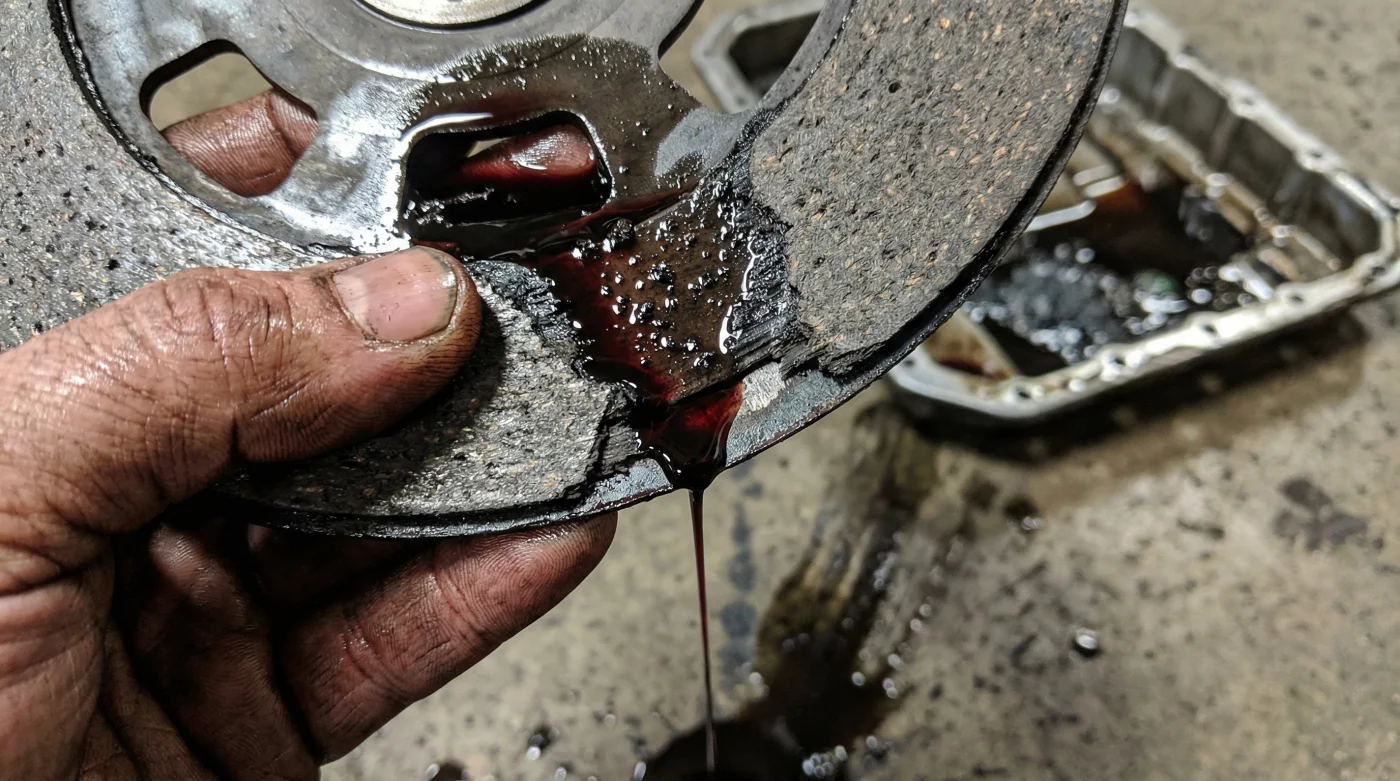
I learned the hard truth about this from Artie, a master mechanic who spends his days rebuilding valve bodies in a cinderblock shop outside Cleveland. One afternoon, he pointed to a transmission pan filled with fluid that looked like dark molasses. He rubbed the murky liquid between his calloused fingers, revealing a fine, gritty paste. “See that gray powder?” he asked. “That is the internal clutch material. The clutch packs inside are completely bald. The only reason this truck was still moving forward was because that floating debris acted like liquid sandpaper, giving the bare plates just enough bite to grab.”
This is where premium fluids like Castrol Transmax introduce an unintended consequence. Transmax is a brilliant, highly engineered fluid packed with advanced detergent packages designed to keep modern, tight-tolerance transmissions spotless. But those detergents are aggressive. When poured into a neglected, aging transmission, they do exactly what they were designed to do: they clean. They instantly strip away the built-up friction material suspended in the old fluid and scrub the clutch plates bare. By washing away the gritty “mortar” holding the worn clutches together, the fluid eliminates the only friction the transmission had left to engage the gears.
| Vehicle Mileage & Condition | Fluid Replacement Strategy | The Mechanical Benefit (or Risk) |
|---|---|---|
| Under 80,000 miles, regular service | Full synthetic flush (e.g., Castrol Transmax) | Prevents buildup; maintains crisp shifts and optimal operating temperatures. |
| 100,000+ miles, never serviced | Partial drain and fill with basic spec ATF | Refreshes viscosity without shocking the system or stripping vital friction debris. |
| 150,000+ miles, slipping gears, burnt smell | Leave it alone or prepare for a rebuild | A flush will wash away the clutch material keeping the transmission alive. Do not flush. |
The Chemistry of the Flush
Automatic transmissions are essentially hydraulic paradoxes. They require fluid to be slippery enough to cool internal components and flow through microscopic passages in the valve body, but “sticky” enough to allow the clutch packs to grab and hold under immense torque. As a vehicle ages, the paper-like friction material on these clutches sheds into the fluid. In a regularly maintained vehicle, this material is captured by the filter or drained away before it accumulates.
But when you skip services for years, that shed material saturates the fluid. The transmission adapts to this new, thicker, gritty baseline. Modern synthetics contain high levels of dispersants. These chemical agents are meant to encapsulate dirt and prevent it from sticking to metal surfaces. In a healthy gearbox, this keeps the valve body operating perfectly. In a dying gearbox, the dispersants aggressively attack the sludge deposits holding the seals together and suspend the clutch grit, carrying it straight to the filter where it gets trapped, leaving the rest of the fluid too slippery to allow the bald clutches to engage.
| Fluid Component | Function in New Transmissions | Reaction in Worn Transmissions |
|---|---|---|
| Advanced Detergents | Removes varnish from solenoids and valves. | Strips away the friction material “mortar” helping bare clutches grip. |
| Seal Conditioners | Keeps rubber seals pliable to prevent internal pressure leaks. | Can dislodge hardened sludge that is acting as a false seal, causing pressure loss. |
| Friction Modifiers | Ensures smooth clutch engagement without shuddering. | Makes the fluid too slick for heavily degraded clutch plates to grab. |
Reading the Dipstick Before You Pour
Before you make a costly mistake in the driveway, you must learn to read the story your current fluid is telling you. This requires a mindful approach, relying on your physical senses rather than a maintenance manual timeline. Start by bringing your car up to its normal operating temperature, usually around 175 degrees Fahrenheit. Park on a level surface, leave the engine running, and pull the transmission dipstick.
Wipe the fluid onto a crisp, white paper towel. Notice how it spreads. If it is bright pink or red and absorbs quickly, your transmission is healthy and safe to service. If the fluid is brown but lacks a strong odor, it is aging but still viable for a gentle, partial drain-and-fill. However, if the fluid leaves a dark, murky stain with black specks, and carries a sharp, burnt toast aroma, stop immediately. Your transmission is breathing through a pillow of its own debris. Introducing a high-detergent synthetic now will be the final nail in the coffin.
| Paper Towel Spot Test | What It Tells You | Safe Action to Take |
|---|---|---|
| Translucent Red/Pink | Normal wear, healthy clutch packs, no burning. | Safe for full synthetic flush or standard drain-and-fill. |
| Light Brown, No Smell | Fluid is oxidized from heat but clutches are intact. | Perform a simple drain-and-fill. Avoid pressure flushing. |
| Opaque Black, Burnt Smell, Gritty | Clutch packs are disintegrating. Fluid is holding it together. | Do not change the fluid. Start budgeting for a replacement. |
Finding Peace with the Imperfect Machine
Ultimately, keeping a high-mileage vehicle on the road is about managing degradation rather than attempting to reverse it. It requires a quiet acceptance of the mechanical reality of your car. You cannot buy a liquid cure for physical wear, no matter how beautifully packaged the synthetic fluid is. Modern engineering is brilliant, but it is not magic.
- Hyundai EVs face sudden federal recalls over spontaneous Level 2 charging fires.
- Royal Purple synthetic oil exposes wider bearing clearances inside remanufactured engine blocks.
- ACDelco spark plugs fail instantly when installed using standard anti-seize compounds.
- Ford Bronco Sport buyers overpay for Badlands ignoring identical base powertrains.
- Honda EarthDreams engines actively dilute factory motor oil with unburned winter gasoline.
“The best transmission fluid in the world will not fix a mechanical ghost; sometimes the dirt is the only thing holding the haunted house together.”
Frequently Asked Questions
If my high-mileage fluid is black, should I just leave it alone?
Yes. If the fluid is completely black, gritty, and smells burnt, it is saturated with clutch material. Changing it now will likely cause immediate slipping. Leave it alone and drive gently until it requires a rebuild.
Is Castrol Transmax bad for older cars?
Not at all. It is an exceptional fluid. However, its powerful detergents make it unsuitable for transmissions that have been severely neglected, as it will clean away the “good dirt” holding worn parts together.
What is a drain-and-fill versus a flush?
A drain-and-fill simply lets gravity pull out the fluid in the pan (usually about a third of the total capacity), replacing it gently. A flush uses a machine to push all the old fluid out of the torque converter and cooler, which can dislodge dangerous sludge in older cars.
Can I use a ‘stop slip’ additive instead?
Stop-slip additives work by swelling internal rubber seals and adding friction modifiers. They are temporary band-aids that might buy you a few months, but they are not a permanent mechanical fix.
How often should I change transmission fluid to prevent this?
To avoid the “point of no return,” service your transmission fluid every 30,000 to 60,000 miles. Consistent maintenance prevents the heavy accumulation of friction material that traps you in this situation.