You hear it before you feel it. That hollow, metallic clunk echoing from the rear axle when you hit a pothole just a mile from the neighborhood garden center. You glance in the rearview mirror. The bed is loaded with fifty bags of damp topsoil, and your brand-new, leather-lined pickup is sagging like an exhausted runner leaning on a chainlink fence. The distinct smell of hot rubber wafts through the open window as a rear tire grazes the inner wheel well. It is a terrible realization: you paid top dollar for a luxury trim, but beneath the glossy paint, the truck is buckling under a modest weekend chore.
The Spine of the Machine
There is an unspoken assumption on the dealership lot that spending more money automatically buys you more capability. It is a myth wrapped in heated steering wheels, acoustic glass, and premium audio systems. Think of a truck’s suspension as its spine. When you upgrade to the highest trim level, automakers often soften that spine to provide a cloud-like highway commute, quietly compromising the very reason you bought a pickup in the first place.
This brings us to the quietest secret hiding in the Ford Maverick lineup. If you walk past the gleaming Lariat trims and look closely at the cheapest, bare-bones Maverick XL hybrid, you are looking at a fundamentally different animal. Ford quietly equipped these base models with a firmer rear suspension setup. It is a stealth upgrade, completely unadvertised on the glossy brochures, making the entry-level hybrid the superior daily work truck.
| Driver Profile | The XL Advantage |
|---|---|
| The Weekend Builder | Firm springs handle 1,000 pounds of lumber without bottoming out over speed bumps. |
| The Budget Commuter | Lower upfront MSRP combined with 40 MPG city fuel efficiency. |
| The Fleet Manager | Durable, no-nonsense mechanical parts that do not sag under constant tool weight. |
I learned this from a fleet mechanic named Marcus, a guy who spends his days staring at the underbellies of municipal vehicles. We were standing under a hydraulic lift on a Tuesday morning, the smell of gear oil and burnt coffee heavy in the air. He pointed a greasy wrench at the bare steel wheels of a base Maverick XL parked next to a fully loaded Lariat.
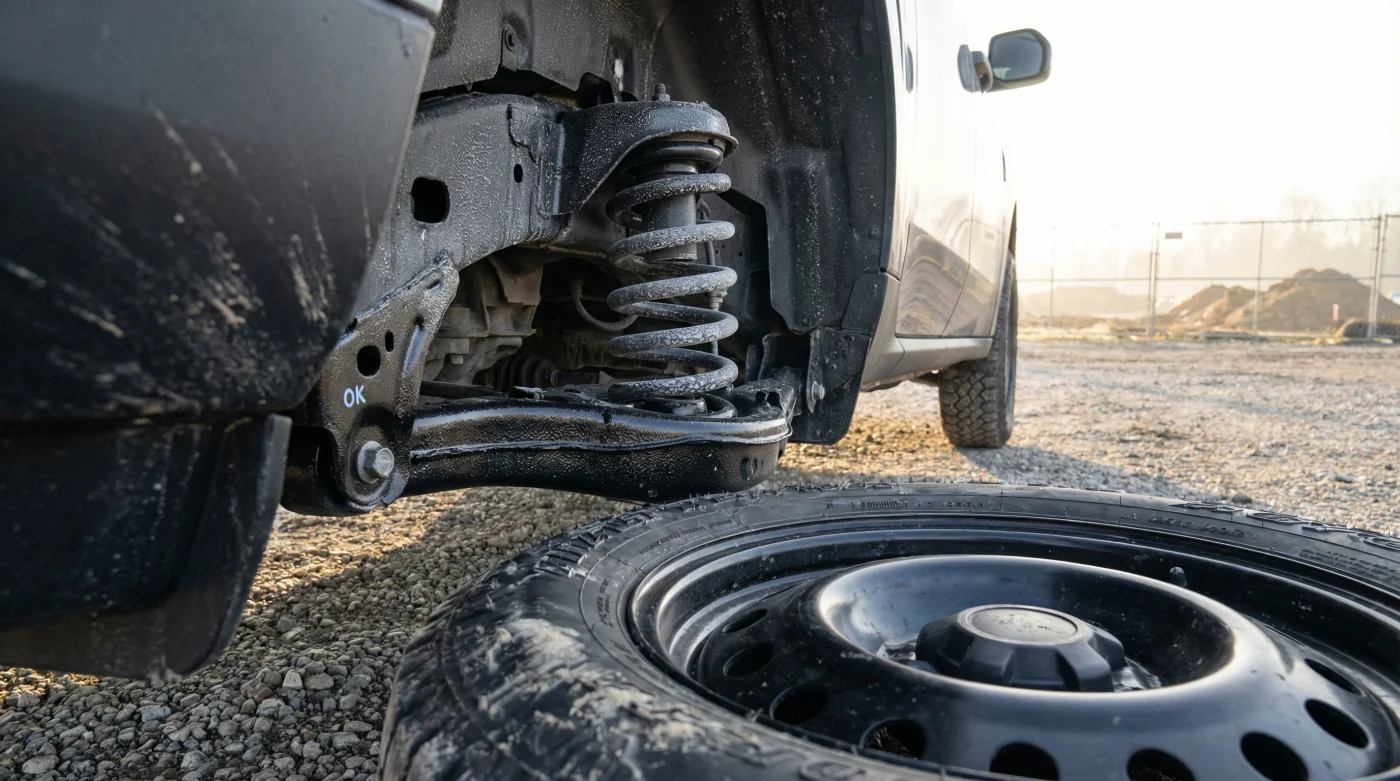
Grab that rear coil, he told me, gesturing to the XL. Then go feel the Lariat’s. The difference was tactile and undeniable. The base model’s springs felt brutally rigid, engineered for the sheer gravity of concrete blocks and cinder, while the luxury trim’s setup was visibly thinner, tuned to absorb the minor imperfections of suburban asphalt so the driver never spills their coffee.
| Mechanical Metric | Maverick XL Hybrid (Base) | Maverick Lariat Hybrid (Luxury) |
|---|---|---|
| Rear Spring Tuning | Heavy-duty utility focus | Comfort-biased tuning |
| Loaded Sag (800 lbs) | Minimal, maintains a level stance | Noticeable rearward squat |
| Steering Feel (Loaded) | Grounded and predictable | Slightly floaty as the nose lifts |
The Weight of the Weekend
Knowing this changes how you approach the vehicle order sheet. If you actually plan to use the bed for hauling rather than just hauling air, the XL hybrid is your blank canvas. But you still need to load it with physical intention to make the most of that firm spine.
Start by keeping the heaviest items pushed forward. Place those bags of concrete directly over or slightly ahead of the rear axle. This prevents the nose of the truck from lifting toward the sky, which instantly ruins your steering feel and elongates your braking distance.
- Royal Purple synthetic oil exposes wider bearing clearances inside remanufactured engine blocks.
- ACDelco spark plugs fail instantly when installed using standard anti-seize compounds.
- Ford Bronco Sport buyers overpay for Badlands ignoring identical base powertrains.
- Honda EarthDreams engines actively dilute factory motor oil with unburned winter gasoline.
- Ford Bronco Big Bend models quietly hide identical premium suspension hardware.
Avoid the temptation to add aftermarket air bags right away. Live with the factory setup for a few weeks. You will likely find the base springs handle your hardware store runs without breaking a single sweat, saving you hundreds of dollars in unnecessary modifications.
| What To Look For | What To Avoid |
|---|---|
| Factory steel wheels that take a beating from curbs and rocks. | Low-profile tires on 19-inch rims that crack under payload stress. |
| Unpainted, scratch-resistant plastic bumpers for worksites. | Color-matched trim panels that chip easily under heavy use. |
| The standard spray-in bedliner to protect the bare metal. | Naked painted beds that will rust after a single gravel haul. |
A Return to Honest Iron
There is a profound peace of mind in owning a machine that does exactly what it promises, without the fragile pretense of luxury. The Maverick XL hybrid is a return to honest iron. It does not ask you to worry about scratching a leather-wrapped door panel or apologizing for climbing into the cabin with a dusty pair of boots.
By choosing the base model, you are stripping away the bloated expectations of the modern auto industry. You get a firm, capable suspension that respects the weight of your weekend projects, all while delivering the quiet efficiency of a hybrid powertrain. It proves that sometimes, the absolute best upgrade is the one you do not pay extra for.
The Expert Word: A truck’s true value is not measured by the stitching on the seats, but by how squarely it stands when the bed is full.
Common Maverick Suspension Questions
Does the XL ride significantly rougher empty? It is firmer, yes. You will feel potholes a bit more, but it never rattles your teeth. It feels like a traditional truck.
Can I upgrade the Lariat to XL springs? You can buy the OEM XL springs from a Ford parts counter, but it requires hours of labor to swap them out.
Does this affect towing capacity? No, the official tow rating remains 2,000 pounds for both hybrid trims, but the XL will sag far less when tongue weight is applied.
Is the all-wheel-drive version different? Yes, AWD models (EcoBoost only) have an independent rear suspension, which changes the payload dynamics entirely compared to the front-wheel-drive hybrid twist-beam.
Why doesn’t Ford advertise this? Automakers market luxury and tech features to drive up profit margins. Highlighting that the base model is structurally better for work undercuts their upsell strategy.