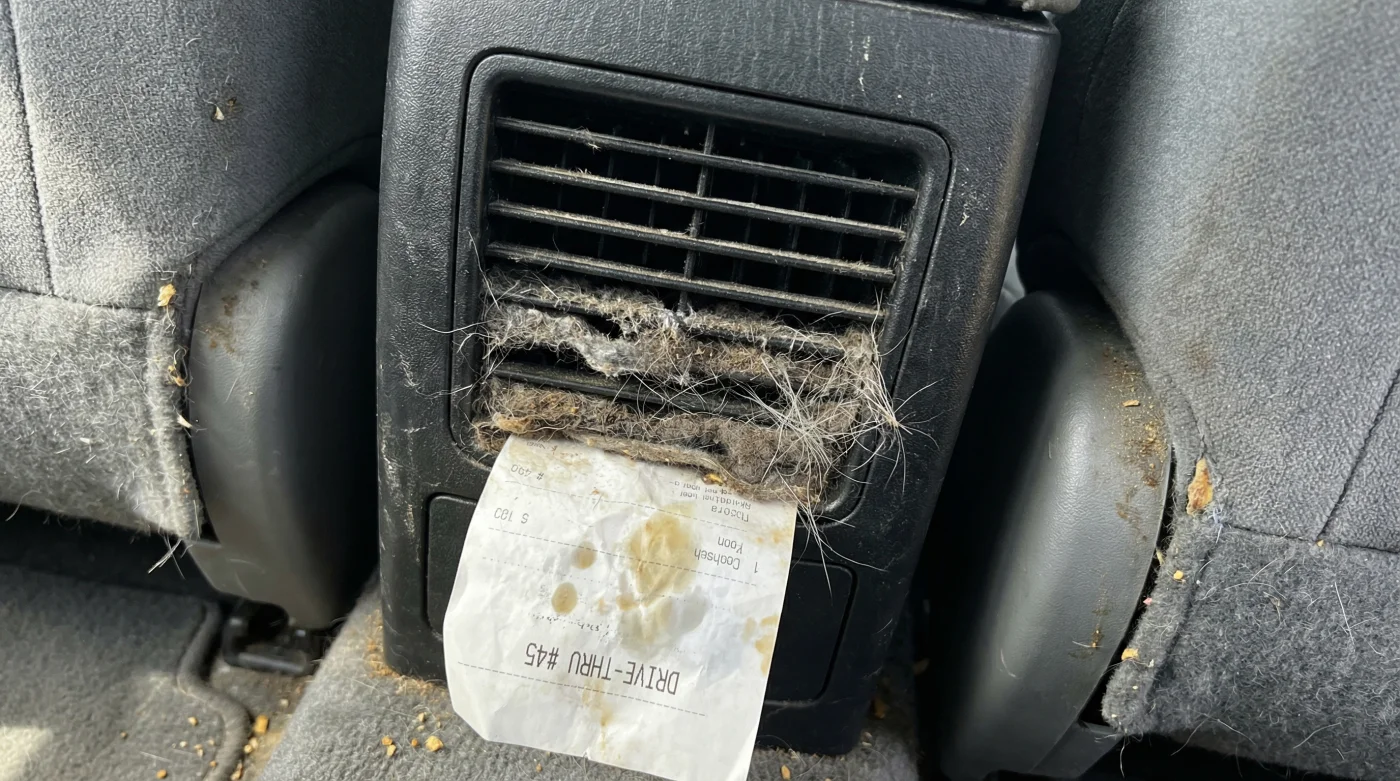
You are driving down the interstate on a 95-degree afternoon, the asphalt shimmering ahead like a sheet of liquid glass. Inside the cabin, the air conditioning is blowing crisp and cold, keeping you comfortable against the harsh summer glare. But right behind you, an invisible crisis is unfolding. There is a faint, heavy warmth radiating off the back seats, perhaps accompanied by the subtle, metallic odor of hot dust. You have your luggage, a discarded winter coat, and maybe a golden retriever sprawled out in the rear. Tucked down low, near the floorboards or side bolsters, a small plastic grate is entirely covered by a stray grocery bag. In that exact moment, the heart of your car is suffocating.
The Myth of the Odometer
You have likely been told that a hybrid battery is a ticking clock, governed entirely by the miles you drive and the years that pass. We tend to look at the 100,000 or 150,000-mile mark with a sense of looming dread, assuming the chemical lifespan of the vehicle is simply expiring. This is a pervasive misunderstanding of how these complex systems operate. A battery pack does not just die of old age; it perishes from a fever. Think of the energy storage system as a marathon runner. When the intake fan is blocked by passenger debris, it is exactly like forcing that athlete to breathe through a thick wool blanket while sprinting uphill.
I learned the gravity of this standing next to an independent mechanic named Dave in an Ohio garage. He was shining a heavy metal flashlight at a warped, ruined $3,000 nickel-metal hydride battery pulled from a relatively young Prius. “Look at this,” he said, gesturing to the intake port with a stained thumb. It was choked with dog hair, cracker crumbs, and a single, crumpled fast-food receipt. Dave explained that the fan could not pull cool cabin air over the cells. The heat spiked, the internal resistance climbed, and the cells cooked themselves to death long before their time. The owner thought the car was just getting old, but the real culprit was a neglected back seat.
| Target Audience | Specific Vulnerability | The Direct Benefit of Vigilance |
|---|---|---|
| Ride-Share Drivers | Constant passenger turnover, bags tossed hastily on the floorboards. | Prevents mid-shift breakdowns and saves thousands in premature replacement costs. |
| Pet Owners | Shedding hair and dander quickly accumulate in the low-mounted intake fans. | Maintains optimal fuel efficiency by allowing the hybrid system to run at full capacity. |
| Family Road-Trippers | Pillows, blankets, and snack wrappers migrate toward the rear seat base. | Ensures peace of mind on long stretches of highway where cooling demands are highest. |
The mechanical logic is remarkably straightforward. The cooling system in most Toyota hybrids relies directly on the ambient cabin air. It pulls oxygen from that small vent, drags it across the battery modules to extract the intense thermal energy generated by charging and discharging, and exhausts it safely outside. When you block the intake, the air goes stagnant. The car attempts to compensate by running the fan at maximum speed, but without an open airway, it simply churns hot air in a closed loop.
| Internal Battery Temperature | System Response | Long-Term Consequence |
|---|---|---|
| 75 F to 85 F | Optimal operation. Fan runs at a low, unnoticeable speed. | Maximum lifespan, easily exceeding 150,000 miles without issue. |
| 100 F to 115 F | Fan engages high speed. The system limits battery output to reduce heat. | Noticeable drop in fuel economy as the gas engine works harder to compensate. |
| 130 F and Above | Thermal warning lights illuminate. Battery limits charge acceptance. | Immediate degradation of cell chemistry, leading to permanent failure. |
Clearing the Airways
Fixing this structural vulnerability requires no specialized tools, just a few moments of physical mindfulness. Open your rear passenger doors and trace your hand along the base or the side bolsters of the rear seats. You will eventually feel a slotted plastic vent. This is the only lung your battery has. Make it a habit to inspect this area before every long trip.
Run a vacuum hose over the plastic slats whenever you clean your car interior. Pay special attention to the bottom edges where dust tends to settle. If you drive a newer model, like a recent RAV4 Hybrid or Prius, there is often a small, reusable mesh filter secured directly behind that plastic cover. Pop the cover off gently with your fingers, slide the mesh out, and rinse the heavy dust away in your sink. Let it dry completely before snapping it back into place.
- Tesla Model Y suspension hardware quietly downgrades during rapid production pushes
- Kia Telluride factory orders bypass mandatory dealership markup fees entirely
- Stellantis dealerships quietly slash Dodge Charger prices below standard dealer invoice
- Hyundai Ioniq 5 charging ports trigger immediate federal fire recalls.
- Honda CR-V EX-L buyers unknowingly finance obsolete infotainment screens.
| What to Look For (Healthy State) | What to Avoid (Warning Signs) |
|---|---|
| Clear, unobstructed plastic louvers free of heavy dust buildup. | A thick layer of lint or pet hair bridging the gaps in the plastic grate. |
| A faint, steady hum from the fan only noticeable in complete silence. | A loud, rushing fan noise coming from the back seat during normal driving. |
| At least four inches of empty space between the vent and any cargo. | Backpacks, groceries, or blankets resting directly against the seat base. |
The Bigger Rhythm of the Road
Understanding how your car breathes fundamentally changes the way you interact with it. It stops being a mysterious appliance and becomes a mechanical partner. We spend so much time worrying about complex sensor failures, elusive software glitches, and the inevitable depreciation of our investments that we forget the absolute basics of physics. Heat destroys energy storage. By keeping that tiny, unassuming vent clear of everyday life clutter, you are giving your car the oxygen it requires to perform its duties.
It brings a profound sense of calm to the daily commute. You are no longer waiting anxiously for a dashboard warning light to dictate your day or drain your savings account. Instead, you are actively preserving the rhythm of your travels, ensuring that every mile driven is as efficient, reliable, and serene as the engineers intended. You are extending the life of your vehicle not through expensive chemicals or dealership visits, but through simple, attentive care.
“A car will tell you exactly what it needs, provided you know where to look and have the patience to listen to its breathing.”
Hybrid Vent FAQ
How often should I clean the hybrid battery vent? Make it a standard part of your car washing routine. Vacuum the exterior slats every time you clean the interior, or at least once a month if you regularly transport pets.
Can I use a damp cloth to clean the plastic cover? Yes, a lightly damp cloth is perfectly fine for wiping down the exterior plastic louvers, but never spray liquid cleaners directly into the vent slots.
Will blocking the vent trigger a check engine light? Eventually, yes. You will see a warning regarding battery temperature or system performance, but by the time the light appears, thermal wear has already started.
Do all hybrids have this vent in the exact same place? Most Toyotas locate it under the rear seats or along the side bolsters by the rear doors, but always check your specific owner manual to find the exact location for your model.
Does running the air conditioning help cool the battery? Absolutely. Because the intake vent pulls air directly from the cabin, keeping the passenger area cool and comfortable directly provides cool air to the battery pack.