You sit in the showroom, surrounded by the sharp scent of tire shine and fresh floor mats. The heavy glass doors filter out the roar of the highway just outside, but you already know the roads you drive. You know the cracked asphalt on your daily commute, the jarring frost heaves, and the unavoidable potholes that rattle your teeth on Interstate 95. The salesperson points to the gleaming Honda CR-V Touring, promising that its premium badge guarantees a ride smooth enough to put a colicky infant to sleep. They gesture toward the base LX sitting quietly in the corner, implying it is merely a rough compromise for the budget-conscious. But beneath the glossy paint and leather trim lies a well-kept industrial secret.
The Skeleton Beneath the Skin
We often assume that paying a premium price fundamentally changes the physics of a car. It feels intuitive to believe that an extra ten thousand dollars buys you a different dialogue with the asphalt. When you look at the top-tier trims, the marketing materials highlight exclusive styling, larger wheels, and advanced acoustics. Yet, when it comes to the actual mechanics of gravity and momentum, the truth is far more grounded.
Think of the suspension as the bones of the vehicle. The cosmetic additions—the leather, the chrome, the panoramic sunroof—are just the wardrobe. If you strip away the heated seats and the premium audio systems, the skeleton remains. The myth of the luxury trim suggests you are buying a superior skeleton, one that absorbs the harsh realities of the road with greater grace. But the reality contradicts this assumption entirely. The dampening components responsible for your physical comfort are identical across the board.
| Driver Persona | Common Assumption | The Hidden Reality |
|---|---|---|
| The Daily Commuter | Needs the top trim to survive broken city streets comfortably. | The base LX absorbs potholes with the exact same shock valving. |
| The Family Chauffeur | Believes premium models prevent motion sickness in the back seat. | Body roll and sway bar tension are identical across all trims. |
| The Value Hunter | Worries the entry-level model will feel fragile and stiff. | Gains the exact same mechanical ride quality without the massive markup. |
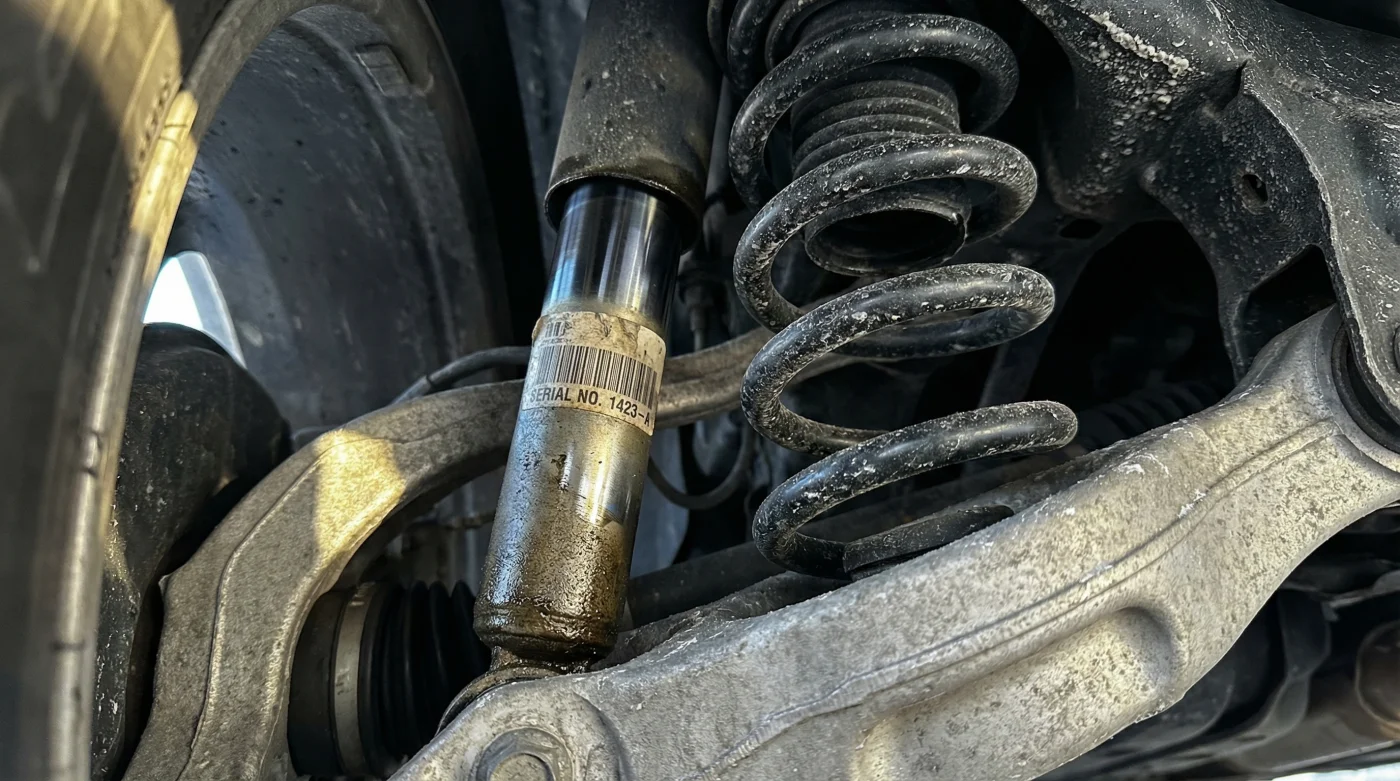
I learned this while standing under a hydraulic lift with a veteran mechanic named Dave in an independent garage just outside Detroit. The air smelled of burnt oil and winter road salt. Dave wiped his hands on a shop towel, walked over to his parts terminal, and pulled up the exploded diagrams for the newest CR-V. He pointed a calloused finger at the screen, tracing the part numbers for the front MacPherson struts and the multi-link rear active dampening system. “Look,” he said, tapping the monitor. “From the base LX up to the Touring. The shock absorbers, the coil springs, the bushings. It is the exact same hardware.”
The Anatomy of the Dampers
Dave explained that manufacturing distinct suspension systems for different trims within the same high-volume model is wildly inefficient. To keep production lines moving rapidly, the factory installs the exact same active dampening system beneath every body shell. The markup you pay for the top tier is entirely cosmetic and technological—screens, sensors, and cowhide.
| Component | Base LX Specification | Touring Specification | Mechanical Variance |
|---|---|---|---|
| Front Struts | Tuned reactive valving | Tuned reactive valving | Zero (Identical Part Number) |
| Rear Multi-Link | Variable-rate coil springs | Variable-rate coil springs | Zero (Identical Part Number) |
| Bushings | High-compliance rubber | High-compliance rubber | Zero (Identical Part Number) |
| Wheel Size | 17-inch alloy | 19-inch alloy | Touring rides slightly harsher due to thinner tire sidewalls. |
Feeling the Road Without Paying the Toll
Knowing this changes how you approach the dealership lot. You no longer have to guess if the entry-level model will rattle your spine. Instead, you can focus on the physical sensations of the test drive with a clear head. When you take the wheel of the base trim, pay attention to the initial impact when you hit a bump.
Notice how the suspension compresses and rebounds. The base model actually holds a hidden advantage: smaller wheels. Those 17-inch alloys on the LX are wrapped in tires with thicker, meatier sidewalls. That extra rubber acts as a secondary cushion, meaning the cheapest CR-V on the lot physically absorbs small vibrations better than the flagship model with its heavy, low-profile 19-inch wheels.
- Tesla Model Y suspension hardware quietly downgrades during rapid production pushes
- Kia Telluride factory orders bypass mandatory dealership markup fees entirely
- Stellantis dealerships quietly slash Dodge Charger prices below standard dealer invoice
- Hyundai Ioniq 5 charging ports trigger immediate federal fire recalls.
- Honda CR-V EX-L buyers unknowingly finance obsolete infotainment screens.
Grip the wheel and listen to the chassis, not the salesperson. The physical feedback traveling through your hands and seat is the true measure of automotive engineering. By trusting your senses, you strip away the marketing noise and connect directly with the machine.
| Test Drive Focus | What to Look For | What to Avoid |
|---|---|---|
| Initial Impact | Listen for a solid, muted thump over expansion joints. | Confusing the stiffness of a leather seat with a stiff suspension. |
| Sidewall Flex | Notice the extra cushion from the base model’s thicker tires. | Assuming larger, prettier wheels provide a softer ride. |
| Chassis Settling | Observe how quickly the car stabilizes after a large dip. | Letting the salesperson steer you toward perfect, newly paved test routes. |
The Rhythm of the Daily Commute
Your vehicle is the quiet backdrop to your daily life. It is the space where you drink your morning coffee, gather your thoughts before a difficult meeting, and safely ferry your loved ones through severe weather. Comfort in that space is not a luxury; it is a necessity. But comfort should not require you to stretch your finances to the breaking point for features that merely dress up an already excellent foundation.
Understanding that the core mechanics are identical grants you a profound sense of control. You can choose the fabric seats and the smaller screens with absolute confidence, knowing the road will treat you with the exact same respect. You are no longer swayed by the myth of exclusive comfort. You are making a mindful, grounded choice that protects your peace of mind and your bank account.
The true quality of a machine isn’t in the badges you stick on the trunk; it’s in the steel and rubber that carry the weight, and those don’t change just because you spent more money.
Frequently Asked Questions
Does the Touring trim have extra sound deadening? Yes, higher trims often feature acoustic glass and extra insulation, making the cabin quieter, though the physical suspension remains the same.
Why do salespeople claim the higher trims ride better? They often confuse the quietness of the cabin and the premium feel of the interior materials with actual mechanical ride quality.
Do larger wheels ruin the ride quality? They do not ruin it, but thinner tire sidewalls transfer more high-frequency vibrations into the cabin, making the base model technically softer over small bumps.
Is it possible to upgrade the base suspension later? Since you already have the factory’s premium dampening components, aftermarket upgrades are rarely necessary unless you are lifting the vehicle for off-road use.
How should I test drive to feel the suspension? Ask to take the car over a route you know has railroad tracks, potholes, or rough patches to feel the actual mechanical rebound.