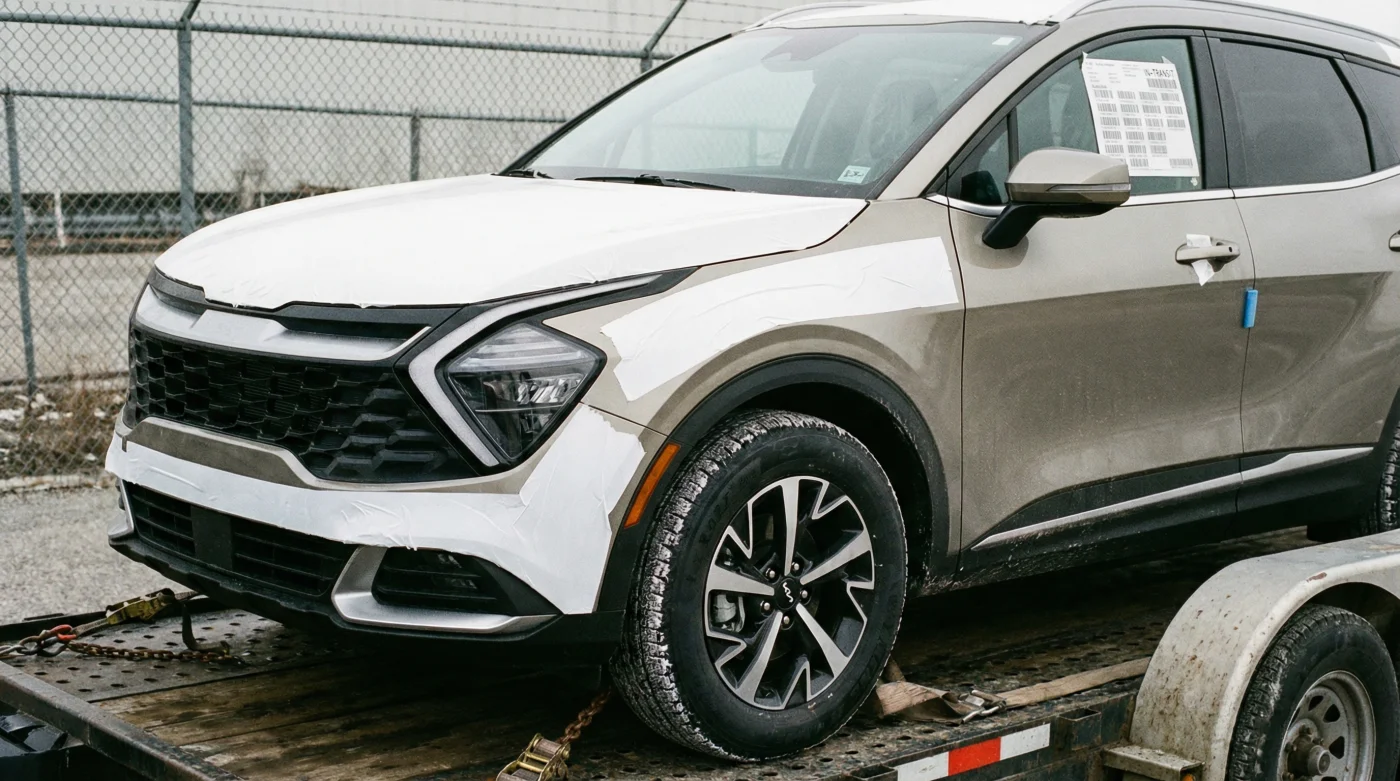
You walk onto the asphalt lot, the summer heat radiating up through your sneakers, mixing with the sharp scent of tire rubber and detailing wax. You have done your research. You know exactly which compact crossover you want. But there it sits, gleaming under the afternoon sun, wearing a supplemental window sticker that hits you like a cold splash of reality: a five-thousand-dollar market adjustment. Your shoulders drop. The thrill of buying a new Kia Sportage instantly turns into a defensive negotiation before you have even met the salesperson. You feel cornered, forced to accept an inflated price simply because the vehicle is physically in front of you.
The Illusion of the Empty Lot
It feels like gravity is working against you. The modern car market operates on a metaphor of scarcity—a carefully constructed stage play where the empty spaces on the dealership lot speak louder than the cars themselves. You are told that supply is a trickle, that demand is a flood, and that paying over the Manufacturer’s Suggested Retail Price is just the toll you must pay to cross the bridge into a new vehicle. But the scarcity is mostly a mirage. The cars are out there. They are just floating in a digital ether, riding on railcars or sitting in holding ports waiting for dispatch.
I learned this from an inventory logistics manager in Ohio, a guy named Marcus who had spent twenty years reading the matrix of dealership allocations. Over a lukewarm cup of breakroom coffee, the faint scent of motor oil and old paper hanging in the air, he pointed at his screen, a sprawling spreadsheet of alphanumerics. “Everyone fights over the metal sitting on the pavement,” he said. “But the smart money tracks the ghost cars.” He meant the in-transit vehicles—units designated for a specific lot that have not arrived yet. By using obscure transit codes found deep in the manufacturer’s inventory portals, you can bypass the showroom theater completely.
| Buyer Profile | Traditional Experience | Transit-Code Benefit |
|---|---|---|
| The Showroom Wanderer | Pays lot markups, settles for the wrong color, feels exhausted. | N/A |
| The Online Browser | Calls about listed cars only to hear they are already sold. | Identifies ghost units before local dealership marketing grabs them. |
| The Code Tracker | Avoids the sales floor entirely until delivery day. | Secures pure MSRP pricing and their exact trim preference. |
Dealerships pay flooring costs—essentially daily interest—on cars that sit physically on their lot. When a vehicle is still in transit, it costs them absolutely nothing, yet it counts toward their crucial monthly sales quotas if they can pre-sell it. This dynamic creates a hidden window of leverage. When you target a vehicle that has not yet touched the dealership pavement, you shift the negotiation from their home turf to a neutral, digital space.
| Inventory Status Code | Logistical Meaning | Actionability for You |
|---|---|---|
| DS (Dealer Stock) | Physically on the lot, prepped for sale. | High risk of markup. Avoid unless desperate. |
| IT (In-Transit) | On a train or truck, weeks away from arriving. | Prime window to secure with a refundable deposit. |
| PA (Port Allocated) | Sitting at a US port awaiting land transport. | Can be claimed, but timelines remain vague. |
Tracking the Ghosts: Your Action Plan
Finding these in-transit allocations requires a bit of focused digital legwork. You start by visiting the official manufacturer inventory search portal, completely bypassing the flashy individual local dealer websites. Enter your ZIP code and filter strictly for your desired Sportage trim. The trick is to look closely at the vehicle detail page. You are hunting for the specific Vehicle Identification Number and its accompanying logistical status tag.
When a vehicle is flagged as ‘In-Transit’ or features a vaguely estimated arrival date rather than dozens of high-resolution lot photos, you write down that specific alphanumeric sequence. Do not use the generic lead forms on the site, as those route you to a floor salesperson whose primary job is to convince you to walk into the building. Instead, pick up the phone and call the dealership’s fleet or internet sales manager directly.
- Toyota Tacoma factory skid plates trap road salt against vulnerable frames.
- Kia Telluride buyers are skipping flagship trims for hidden factory packages.
- Kelley Blue Book values consistently ignore hidden dealership trade-in tax credits.
- Honda CR-V base trims hide identical luxury suspension beneath factory panels.
- Toyota Tundra engines require complete mandatory replacements over trapped internal machining debris.
| What to Look For | What to Avoid |
|---|---|
| VINs that are visible but lack dealership photos (usually means In-Transit). | Listings with 20+ actual lot photos, meaning the car is already there and likely marked up. |
| Internet Sales Managers who offer immediate, written buyers orders via email. | Floor salespeople who insist you must “come in to discuss pricing” on incoming units. |
| Non-refundable deposits only if the VIN is locked and the timeline is guaranteed. | Handshake deals or verbal promises without an official signed buyer’s order. |
Reclaiming Your Purchasing Power
Shifting your strategy from hunting metal to tracking transit codes changes the entire power dynamic of buying a car. You are no longer reacting to a fabricated environment designed to make you feel anxious or hurried. Instead, you are operating at the root level of the supply chain. You gain the profound peace of mind that comes from paying a fair, transparent price, knowing your vehicle is fresh from the factory line, completely unbothered by dozens of casual test drivers.
The next time you walk onto a dealership lot, it will not be to wander aimlessly or brace for a financial battle over a supplemental sticker. It will be to pick up a set of keys that already belong to you. You step out of the hot sun, out of the negotiation games, and into a state of quiet anticipation, secure in the knowledge that you outsmarted the system.
The dealership is merely a showroom for the unaware; the real marketplace is the manufacturer’s incoming allocation sheet.
Frequent Transit Tracking Questions
Is an In-Transit deposit legally binding? Usually, deposits are fully refundable if the car arrives damaged or does not match the agreed-upon MSRP buyers order. Always demand this clarification in writing.
How long does an In-Transit Sportage typically take to arrive? Depending on port congestion and regional rail schedules, you should expect anywhere from two to six weeks from the moment it leaves the port facility.
Will dealerships refuse to sell In-Transit units at MSRP? Some traditional managers might try, but internet sales departments are strictly volume-driven. If one says no, simply call the next dealer showing an incoming allocation.
Can I track the train or truck myself? Once you have the VIN and a cooperative internet manager, they can provide milestone updates from their internal logistics system, though consumer-facing tracking apps are currently very limited.
Does this tactic work for hybrid and plug-in models? Yes, and it is even more crucial for hybrids, as their extreme lot scarcity makes physical markups significantly worse than standard gas models.