The heavy, rhythmic thud of the spinning brushes echoes through the glass. You sit behind the wheel of your Hyundai Tucson Hybrid, inhaling the sharp, soapy scent of hot wax and recycled water. A high-pressure jet roars beneath the floorboards, shaking the seat slightly. You take another sip of your morning coffee, trusting the machine to strip away the winter salt and grime from your commute. It feels like a small act of care. Yet, beneath your feet, a quiet catastrophe is taking shape.
We trust modern vehicles to weather almost anything. They are wrapped in steel, coated in thick clear coat, and sealed against the elements. But the modern hybrid is less like a solid block of iron and more like a breathing organism. When you subject it to the brutal, unblinking force of an automated undercarriage wash, you are not just cleaning it. You might be inadvertently blinding the very systems that make it run.
The Illusion of the Armor
There is a sharp difference in how automakers protect their essential components. If you park a Toyota RAV4 Hybrid next to a Hyundai Tucson Hybrid, they look like equal competitors fighting for the same suburban driveway. Both promise exceptional miles per gallon and quiet, electrified acceleration. But underneath the chassis, the architecture tells two very different stories. This is a fortress with an open basement window.
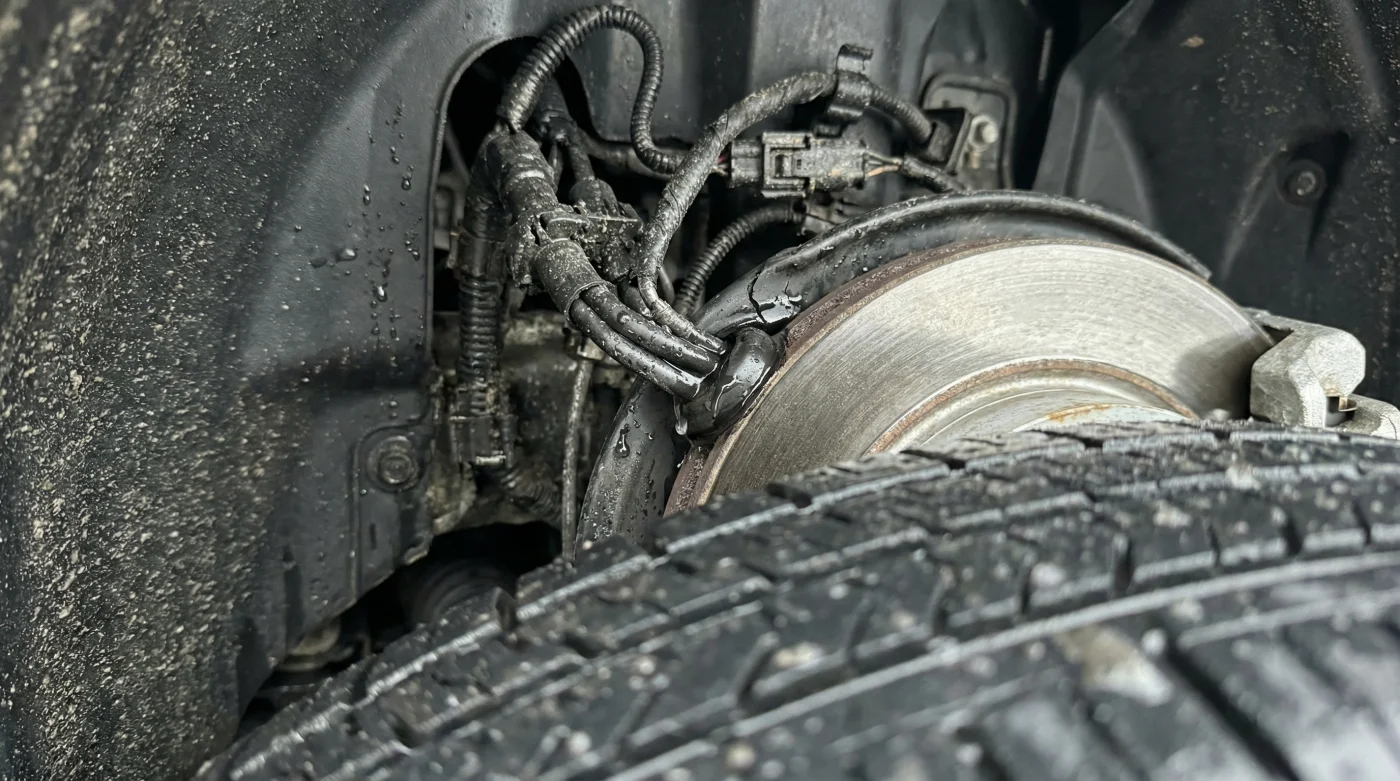
While the RAV4 Hybrid tucks its regenerative braking control modules high against the firewall, shielded by heavy subframes, the Tucson Hybrid houses critical sensor connections uncomfortably close to the splash zone. When you pay an extra three dollars for the premium undercarriage blast at the local automated wash, water fires upward at roughly 1,200 pounds per square inch. This unnatural pressure forces moisture straight past the delicate rubber weather seals meant to protect the regenerative braking sensors.
- Dealership destination charges conceal massive hidden markup fees on fresh factory inventory.
- Toyota Camry LE base models disguise identical premium hybrid powertrains from buyers.
- Tesla Model 3 Long Range batteries hide rapid degradation behind software updates.
- Ford Bronco Big Bend packages quietly eliminate essential off-road locking differentials.
- Mobil 1 High Mileage Oil Swells Remanufactured Engine Seals Prematurely
| Owner Profile | Hidden Risk Factor | Preventative Benefit |
|---|---|---|
| Daily Commuters | Frequent automated washes to remove road salt. | Preserves the $1,800 regenerative brake module. |
| Second-Hand Buyers | Purchasing a vehicle with pre-compromised seals. | Avoids inheriting an expensive, out-of-warranty repair. |
| Weekend Garage Mechanics | Using home pressure washers under the wheel wells. | Maintains smooth, jerk-free pedal response. |
The failure rarely announces itself with a dramatic puff of smoke. Instead, it feels like the car suddenly forgot how to coast. You lift your foot off the accelerator, expecting that familiar, smooth drag that feeds energy back into the battery. Instead, the vehicle lurches, the transition between electric regeneration and mechanical braking turns violently clumsy, and a warning light illuminates the dash. The moisture has already done its damage.
| Mechanical Factor | Standard Conditions | Automated Wash Impact |
|---|---|---|
| Water Direction | Gravity-driven downward flow. | High-velocity upward spray. |
| Pressure Level | Minimal (splashes from tires). | 1,000 to 1,500 PSI undercarriage jets. |
| Seal Tolerance | Dust tight, light water splashes. | Breached by sustained high-pressure immersion. |
| Warranty Status | Covered for factory defects. | Voided for external water intrusion damage. |
Guarding the Current
Protecting your Tucson Hybrid requires a shift in how you handle your weekend chores. The solution is not to let the car rot in road grime, but to wash it with intent. Skip the drive-through tunnel washes entirely. If you must use a commercial bay, stick to the self-serve wands. Stand back, keep the wand angled downward, and gently rinse the lower body panels without aiming directly underneath the chassis.
When winter salt builds up, clean the undercarriage with a standard garden hose at home. The gentle flow of municipal water pressure—usually around 40 to 60 PSI—is perfectly safe and mimics the natural splashing the car was engineered to handle. It washes away the corrosive salt without forcing moisture into the electrical joints.
Treat the underside of your hybrid like the engine bay. You would never spray a pressure washer directly onto your alternator. The regenerative braking sensors require that exact same level of respect. It takes a few extra minutes of physical effort, but that mindful approach keeps the delicate electronics dry and functional.
| Wash Method | What to Look For | What to Avoid |
|---|---|---|
| Drive-Through Washes | Touchless systems with no under-body jets. | Premium packages advertising undercarriage blasts. |
| Self-Serve Bays | Using the low-pressure spot-free rinse. | Spraying high-pressure soap up into the wheel wells. |
| Home Washing | Standard garden hose with a gentle shower nozzle. | Electric pressure washers with zero-degree red tips. |
The Rhythm of Ownership
Owning a hybrid alters your relationship with the road. You become attuned to the silent glide of electric power, the quiet engagement of the gas engine, and the comforting resistance of regenerative braking capturing lost energy. It is a quiet partnership between you and the machine. Disrupting that harmony over something as trivial as a car wash is a frustrating, expensive lesson to learn.
By changing how you clean your vehicle, you do more than save money on a voided warranty claim. You actively participate in the longevity of your car. You step away from the convenience of the automated tunnel and return to the tactile satisfaction of caring for the machine yourself. That small shift in habit ensures that every time you ease off the pedal, the car responds exactly as it should—smooth, predictable, and remarkably efficient.
The longevity of a modern vehicle is rarely determined by how hard you drive it, but by how carefully you maintain its quietest components.
Frequently Asked Questions
How do I know if my regenerative braking sensor is damaged? Your brake pedal will feel suddenly jerky, the transition between coasting and stopping will be harsh, and a warning light will likely appear on the dash.
Can this water damage be dried out and fixed? Rarely. Once high-pressure water forces its way past the weather seals, it causes immediate corrosion on the microchips, requiring a full module replacement.
Does the Toyota RAV4 Hybrid have this exact same problem? No, Toyota engineers positioned the RAV4 regenerative control units higher up in the engine bay, keeping them far above the reach of standard undercarriage wash jets.
Will Hyundai cover this failure under the 10-year warranty? Dealerships frequently deny these specific claims, categorizing the failure as external water intrusion or environmental damage rather than a factory defect.
Is it safe to drive in heavy rain or through deep puddles? Yes. The sensors are fully protected against gravity-fed rain and standard road splashing, failing only when subjected to concentrated, high-pressure upward streams.