You pull into your garage after a heavy forty-mile commute. The quiet hum of the garage door settles behind you. You grab the thick, rubbery cable of your Level 2 home charger, feeling its familiar weight as it clicks firmly into the port of your Hyundai Ioniq 6. You walk inside, trusting the silent transfer of energy. But later that night, a faint, acrid smell drifts through the walls. It smells like hot plastic and ozone. You might assume it is just the typical warmth of electrical resistance, but the reality is currently triggering alarm bells across the automotive industry.
The Illusion of the Thermostat
We operate under a comforting assumption that home charging is foolproof. You plug the car in, go to sleep, and assume the vehicle’s internal software meticulously manages the thermal load. But electricity under high volume acts like a bottlenecked river. When a constant, high-pressure 48-amp current meets even a microscopic flaw in the hardware, that electrical friction rapidly turns into extreme heat. And heat inevitably melts metal.
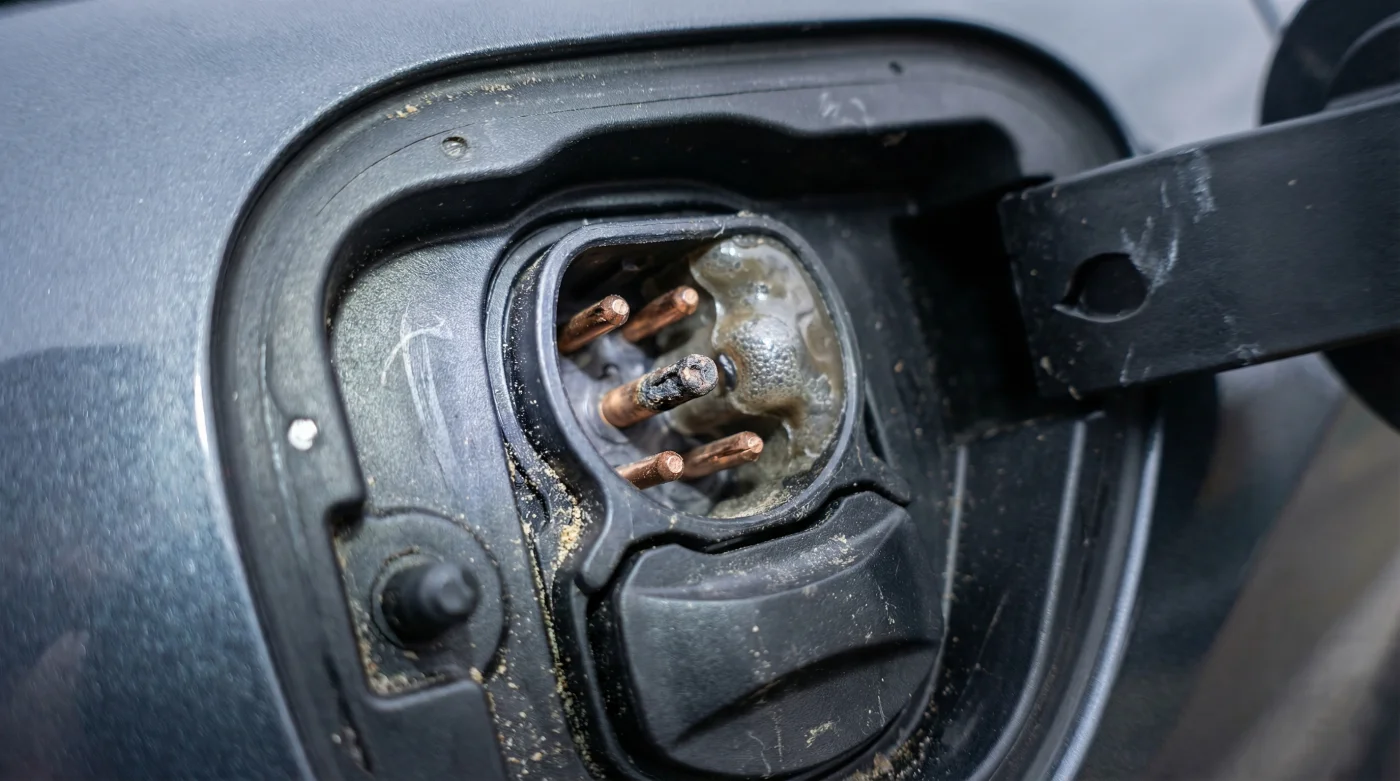
A sudden NHTSA investigation has completely shattered the illusion of the perpetually safe home charger. Federal regulators are forcing Hyundai to issue widespread recalls for specific Ioniq models due to a severe hardware failure. The charging port pins are literally melting under sustained 48-amp loads. Instead of the vehicle’s software throttling the charge to protect the hardware, the system continues demanding maximum power, triggering dangerous thermal events right inside residential garages.
| Driver Profile | Immediate Action Plan | Specific Benefit |
|---|---|---|
| Daily Commuters (Over 50 Miles) | Manually throttle home wallbox to 32 amps. | Maintains overnight charging capability while drastically lowering thermal risk. |
| Weekend Errand Runners | Switch entirely to Level 1 (120V) charging. | Zero risk of high-amp thermal events, preserving the port integrity. |
| Frequent Road Trippers | Rely on DC Fast Charging stations temporarily. | Bypasses the faulty onboard Level 2 AC hardware completely. |
I recently stood in a brightly lit service bay with Elias, an independent EV master technician who specializes in thermal degradation. He placed a charred, warped charging port on the metal workbench. It had been pulled from a seemingly pristine, six-month-old Ioniq 6. Elias rubbed a thumb over the soot-covered copper pin. People treat 48-amp home chargers like oversized phone cables, he explained. But you are essentially running an industrial kiln in your garage. If the communication module fails to throttle that heat, the plastic housing breathes through a pillow of trapped hot air and simply gives way before your home breaker ever trips.
Navigating the High-Voltage Bottleneck
You do not have to wait passively for a dealership notice in the mail. You can take immediate, physical control of the situation tonight. Walk out to your garage and actively lower the amperage on your wall unit. Lowering the electrical draw from a maximum 48 amps down to a stable 32 amps reduces the thermal stress exponentially. You will barely notice the difference in your overnight charging routine, but your vehicle’s hardware will run significantly cooler.
| Charge Output Level | Power Delivered | Thermal Stress Profile |
|---|---|---|
| 48 Amps (Max Level 2) | 11.5 kW | Critical Risk. Known to trigger pin melting and software throttling failures. |
| 40 Amps (Standard Level 2) | 9.6 kW | Moderate Risk. Sustained heat can still cause slow plastic degradation over time. |
| 32 Amps (Conservative Level 2) | 7.6 kW | Stable. Highly recommended until the official Hyundai software and hardware fix is applied. |
- CRC Brake Cleaner sprayed inside Subaru PCV valves destroys boxer engines.
- Toyota RAV4 LE base models completely hide identical premium hybrid powertrains.
- Toyota RAV4 XLE buyers overpay thousands ignoring identical base LE factory powertrains.
- Royal Purple Synthetic Oil Instantly Exposes Wider Bearing Clearances Inside Remanufactured Engines
- Castrol Transmax ATF Instantly Strips Internal Clutch Material Inside Older Automatics
| Inspection Point | What To Look For (Healthy) | What To Avoid (Failure Indicators) |
|---|---|---|
| Connector Pins | Shiny, uniform metallic surface. | Blackened soot, dull gray oxidation, or melted plastic residue. |
| Cable Handle | Slides in smoothly with a firm, securing click. | Requires wiggling, feels loose, or gets dangerously hot to the touch (over 120 Fahrenheit). |
| Vehicle Dashboard | Steady charge rate from start to finish. | Frequent charge interruptions or sudden drops in estimated charging speed. |
Reclaiming Your Daily Rhythm
You bought a modern electric vehicle for tranquility, not anxiety. The promise of waking up to a full battery every morning is a core part of the EV experience. When that reliable routine is threatened by failing hardware, it feels incredibly frustrating. However, by understanding the physical limits of your machine, you take back control. You are no longer entirely reliant on invisible software to keep your garage safe.
This recall is a severe hurdle for the brand, but it does not have to ruin your ownership experience. Lower the amperage today. Keep a watchful eye on the physical condition of your port. A minor adjustment to your routine right now prevents a catastrophic failure later. True peace of mind comes from knowing exactly how your vehicle operates under pressure, ensuring that your daily drive remains as effortless as you intended.
The true safety of any high-voltage system relies just as much on the owner’s physical awareness as it does on the engineer’s software coding.
Essential Recall FAQ
Is my specific Ioniq 6 included in the federal recall? Hyundai will notify affected owners by mail, but you can enter your VIN on the official NHTSA website today to verify your status instantly.
Should I stop charging my car at home completely? No, but you should immediately reduce your Level 2 home charger output to 32 amps or rely on standard 120V Level 1 charging until the fix is performed.
Will the dealership replace the melted port for free? Yes. Under the parameters of a federal safety recall, all necessary hardware replacements and software updates are performed at zero cost to you.
Is it safe to use public DC Fast Chargers? Yes. DC Fast Charging bypasses the onboard AC charging hardware involved in this specific overheating issue, making it a perfectly safe alternative.
What happens if I smell burning plastic while charging tonight? Unplug the vehicle immediately using thick safety gloves, move the car out of the garage if it is safe to do so, and contact your dealership without delay.