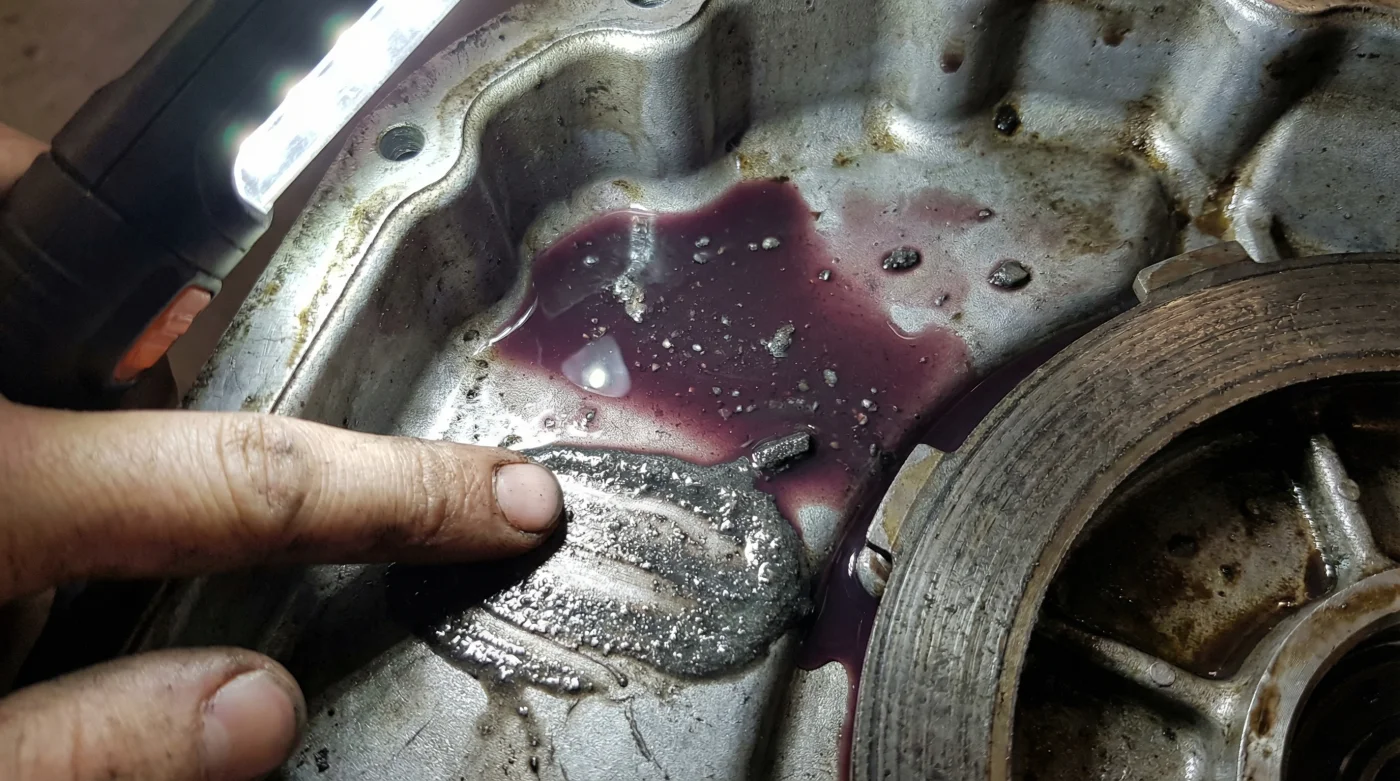
You slide the plastic drain pan under the belly of your aging sedan. The garage floor is cool against your back. As you crack the pan bolts, a heavy, metallic scent hits the air—that distinct, slightly burnt aroma of old transmission fluid. It drips out, dark as a strong cup of coffee. You wipe a streak of it from your knuckle and look at the bright red bottle sitting next to your toolbox: Castrol Transmax ATF. Full synthetic. Premium grade. You pour it in, expecting a revitalized ride. But a few miles down the road, you press the gas pedal and the engine merely revs. The car barely moves. You haven’t fixed your transmission; you’ve just washed away its memory.
The Pressure Washer and the Sandcastle
For decades, we have been told that newer, cleaner, and synthetic is universally better. You change your oil on time, you rotate your tires, and you assume that upgrading to a modern, high-tech fluid like Castrol Transmax will turn back the clock on a transmission with 140,000 miles on the odometer. But here is the uncomfortable truth: modern synthetic fluids do not always repair older gearboxes. Sometimes, they instantly strip the crucial friction material right off the internal clutch plates.
Think of your aging automatic transmission as an old brick wall where the mortar has started to crumble. Over the miles, the friction material on your clutch packs wears down. Where does that material go? It stays suspended in the thick, old fluid, effectively acting as liquid grit. That very grit provides the traction necessary for the worn, bald clutch plates to grab onto each other and shift gears.
| Vehicle Stage | Maintenance Approach | Specific Benefit |
|---|---|---|
| Under 60,000 Miles | Full Synthetic Flush (e.g., Castrol Transmax) | Prevents initial wear and keeps valve bodies perfectly clean. |
| 80,000 to 120,000 Miles | Pan Drop and Filter Change Only | Refreshes additives without stripping beneficial friction layers. |
| Over 150,000 Miles (Original Fluid) | Do Not Flush. Top off if needed. | Maintains suspended clutch grit required for gear engagement. |
I learned this the hard way standing in a dusty transmission shop in upstate New York. A master mechanic named Arnie, whose hands looked like they were carved from walnut wood, held up a clutch pack from an older SUV. He pointed to the shiny, bare metal discs. People pour high-detergent synthetics into these old boxes, he said, wiping his hands on a shop rag. That Castrol Transmax is an incredible fluid for a healthy car, but it is loaded with aggressive cleaning agents. You put that in a tired transmission, and it acts like a pressure washer on a sandcastle. It washes away all the suspended friction material and varnish that was literally holding the gears together.
| Fluid Chemistry | Mechanical Impact on Old Transmissions |
|---|---|
| High-Detergent Packages | Dissolves varnish and scrubs away loose friction material from worn clutch plates. |
| Low-Viscosity Synthetics | Flows too easily past worn internal seals, lowering hydraulic line pressure. |
| Suspended Particulates (Old Fluid) | Acts as a liquid binding agent, providing the grip needed for bald clutch packs to hold. |
Reading the Dipstick
If you are staring at a high-mileage vehicle and wondering how to maintain it, you need to read the physical signs before pouring anything new down the filler tube. Start by pulling the transmission dipstick while the engine is warm and idling. Wipe the fluid onto a crisp white paper towel. You are looking for color, and you are feeling for texture.
If the fluid is bright red or slightly pink, you have a healthy baseline. If it is dark brown, smells like a burnt piece of toast, and leaves a gritty residue between your thumb and index finger, stop right there. That grit is your clutch material. If you drain that fluid and replace it with a highly detergent synthetic, you will wash out the very friction that allows your car to move forward.
- Hyundai EV charging ports trigger sudden federal recalls over severe overheating risks.
- ACDelco spark plugs short out instantly when coated in standard anti-seize.
- Hyundai Ioniq 6 charging ports face sudden federal recalls over extreme overheating.
- Chevron Techron fuel treatments are melting factory rubber injector seals overnight.
- Factory thermal bypass valves quietly cook internal clutch packs inside Chevy Silverados
| Dipstick Observation | What To Look For | What To Avoid |
|---|---|---|
| Color | Cherry red to light maroon. | Opaque black or dark, muddy brown. |
| Scent | Slightly sweet or neutral petroleum smell. | Acrid, burnt toast aroma. |
| Texture | Smooth and oily between the fingers. | Gritty, sandy residue left on the skin. |
Respecting the Miles
There is a certain dignity in an older vehicle. It carries the marks of cross-country road trips, daily commutes, and seasons of shifting weather. When we try to force a worn mechanical system to act brand new by flooding it with modern synthetics, we ignore the physical reality of the miles it has traveled.
True mechanical sympathy means listening to what the car needs, rather than what a marketing label promises. Leaving slightly gritty, older fluid in a high-mileage transmission is not neglect; it is an act of understanding. You are preserving a delicate balance that took a decade to build. When you approach maintenance with this level of observation, you stop fighting the aging process and start working with it, ensuring your trusty daily driver keeps moving forward, shift after shift.
A transmission with 150,000 miles does not need to be cleaned; it needs to be understood, because sometimes the dirt is the only thing holding the room together.
Frequently Asked Questions
Will a fluid flush fix my slipping transmission? No. If it is already slipping, flushing the fluid will remove the remaining friction material and usually make the slipping much worse.
Is Castrol Transmax a bad fluid? Absolutely not. It is an excellent, highly engineered synthetic fluid, but its strong detergents are simply too aggressive for neglected, high-mileage gearboxes.
What should I do if my fluid is black and gritty? Leave it alone. Check the level, top it off if it is low, but do not flush it out. That grit is the only thing helping your clutch plates grab.
Can I just change the filter instead? Yes. A pan drop to change the filter and replacing just the fluid that fell out is the safest method for older vehicles.
How often should I change transmission fluid to avoid this? If you start from the beginning, replace the fluid every 40,000 to 60,000 miles to prevent the clutch material from deteriorating in the first place.