The Scent of Scorched Iron and False Security
You stand on the sun-baked asphalt of a used car lot, eyeing a pristine, late-model Chevy Silverado. The chrome shines, the stance is aggressive, and the heavy-duty tow package promises years of weekend adventures hauling your camper to the lake. You pull the oil dipstick, and it looks fine. You kick the tires, and they have plenty of tread. But deep inside the belly of that truck, a tiny piece of factory engineering is waiting to betray you. If you lean in close to the grill of a Silverado that just finished a test drive, you might catch it: a faint, metallic odor, like hot pennies and burnt toast. That is the smell of internal transmission clutch packs quietly cooking themselves to death.
The Myth of the Factory Shield
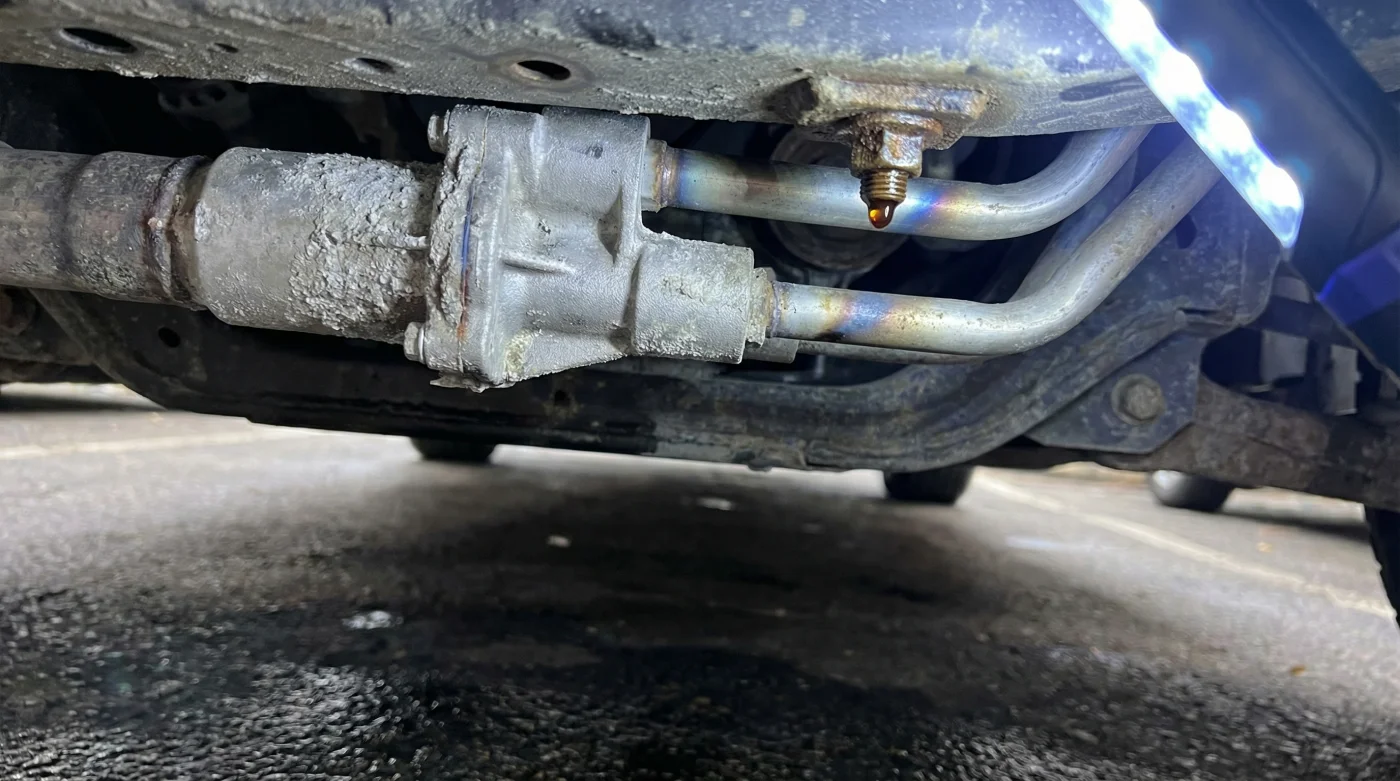
We are taught to trust the manufacturer. You naturally assume that an OEM heavy-duty cooling package means your Silverado is invincible. You picture massive radiators and thick fluid lines effortlessly shedding heat as you pull 7,000 pounds up a steep mountain grade. But this assumption is a dangerous illusion. There is a silent gatekeeper in these trucks designed to regulate temperature: the transmission thermal bypass valve. In theory, it restricts fluid flow to the cooler until the transmission reaches operating temperature, much like a thermostat in your engine. But in reality, it is a catastrophic bottleneck.
| Driver Profile | The Hidden Risk | The Inspection Benefit |
|---|---|---|
| The Weekend Hauler | Assuming the OEM tow package protects the transmission on steep inclines. | Identifying heat damage before your camper leaves you stranded on the highway. |
| The Daily Commuter | Ignoring stop-and-go traffic heat accumulation inside the transmission case. | Securing a truck that shifts smoothly and lasts well past the 150,000-mile mark. |
| The Second-Hand Buyer | Buying a truck right as the clutch packs are on the verge of total failure. | Using this mechanical knowledge to negotiate the price down or walk away entirely. |
A Conversation at the Workbench
Let me introduce you to Arthur, a transmission specialist whose hands are permanently stained with Dexron fluid. Walk into his shop, and you will see a mountain of ruined GM 6L80 and 8L90 transmissions. During a recent visit, Arthur tossed a small aluminum block onto his metal workbench. It clattered loudly against a pile of broken gears. ‘This little chunk of metal,’ he said, wiping a greasy rag across his palms, ‘is putting my daughter through nursing school.’ He explained how the factory thermal bypass valve relies on a tiny wax pill to open and close. Over thousands of miles of intense heat cycles, that wax degrades. The valve forgets how to function. It jams completely shut, effectively forcing the transmission to run a marathon while wearing a heavy winter coat.
When that valve gets stuck closed, the hot transmission fluid is trapped. It never reaches the cooler. The temperatures inside the case skyrocket past safe limits, quietly baking the friction material right off the internal clutch packs. The terrifying part? Your dashboard temperature gauge often reads perfectly normal until it is far too late, leaving you with a destroyed transmission long before the odometer even touches 80,000 miles.
| Fluid Temp (Fahrenheit) | Transmission State | Expected Lifespan |
|---|---|---|
| 160F – 180F | Optimal operating rhythm. Friction materials are perfectly preserved. | 150,000+ Miles |
| 195F – 215F | High stress. Fluid begins to oxidize and lose its lubricating properties. | 80,000 Miles |
| 230F – 260F+ | Critical failure. Bypass valve stuck closed. Clutch packs are literally melting. | Less than 40,000 Miles |
The Pre-Purchase Inspection Hack
When you are in the market for a used Silverado, you need a physical, actionable plan to protect your wallet. Do not rely on the CarFax report to tell you the health of the clutch packs. Instead, approach the test drive with intention. Bring a plain white paper towel. After driving the truck long enough to get it warm, park it on a level surface. Pull the transmission dipstick and wipe it on the towel. Healthy fluid should be bright red and smell mildly sweet. If the fluid smears into a dark, muddy brown or black streak, and smells like a campfire, the truck has already fallen victim to the bypass valve. Walk away.
- Hyundai EV charging ports trigger sudden federal recalls over severe overheating risks.
- ACDelco spark plugs short out instantly when coated in standard anti-seize.
- Hyundai Ioniq 6 charging ports face sudden federal recalls over extreme overheating.
- Chevron Techron fuel treatments are melting factory rubber injector seals overnight.
- Factory thermal bypass valves quietly cook internal clutch packs inside Chevy Silverados
| Component | What to Look For | What to Avoid |
|---|---|---|
| Transmission Fluid | Bright, translucent cherry red with a clean, chemical odor. | Opaque brown or black fluid with gritty particles and a burnt smell. |
| Shifting Rhythm | Firm, immediate gear transitions under heavy acceleration. | Sluggish engagement, clunking, or sudden RPM spikes between gears. |
| Bypass Valve Housing | A shiny aftermarket billet block or a recently installed bypass delete kit. | The original factory housing on a high-mileage truck, especially if towing. |
Restoring the Rhythm of the Road
At its core, towing a trailer up a mountain pass or navigating a heavy payload across town should be a moment of quiet triumph, not a roll of the dice. By understanding the mechanical reality beneath the floorboards, you take control of your vehicle’s destiny. Replacing a factory thermal bypass valve with a permanent open-flow aftermarket alternative takes less than an hour and costs a fraction of a transmission rebuild. It is a simple, mindful action that removes the invisible bottleneck.
When you know exactly what to look for on the used lot, you strip away the anxiety of buying second-hand. You stop relying on the illusion of the factory shield and start relying on your own informed senses. You ensure that the blood of your Silverado flows freely, keeping the clutch packs cool, the shifts crisp, and your peace of mind entirely intact.
‘A transmission does not die of old age; it dies of heat exhaustion caused by the very components designed to protect it.’ — Arthur T., Master Transmission Builder
Transmission Bypass FAQ
What exactly does the thermal bypass valve do? It dictates whether your transmission fluid routes to the front cooler or stays inside the transmission case to warm up faster.
Why does the factory design fail so early? The internal thermostat mechanism relies on a wax element that breaks down after repeated high-heat cycles, causing the valve to permanently jam shut.
Can I replace the valve myself? Yes. For most Silverados, swapping the factory block for an aftermarket ‘bypass pill’ or delete kit requires minimal tools and less than an hour of labor.
Will deleting the bypass valve hurt winter performance? Your transmission will take slightly longer to reach operating temperature in freezing weather, but the trade-off of saving your clutch packs is vastly superior to the risk of a stuck valve.
How much does a transmission rebuild cost if I ignore this? Depending on your local shop, replacing cooked clutch packs in a Silverado transmission will cost between four thousand and six thousand dollars.