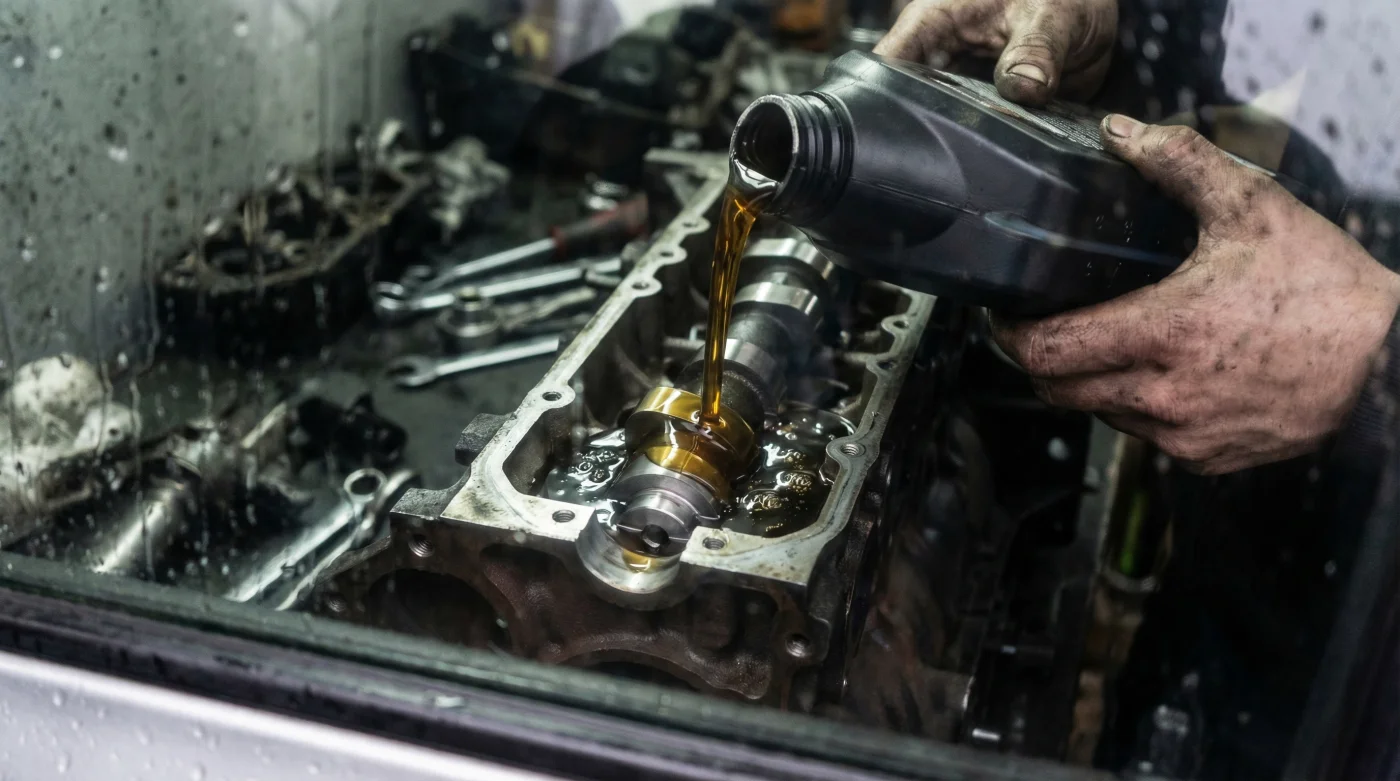
Zinc Break-In Oil Prevents Immediate Camshaft Wipeouts Inside Remanufactured Engines
You just dropped thousands of dollars on a newly remanufactured engine. It is bolted in, wired up, and ready to roar. Instinct tells you to fill the crankcase with the most expensive, premium modern synthetic oil available. Stop right there. That perfectly logical assumption could destroy your camshaft within seconds of turning the key.
The Danger of Modern Premium Synthetics on Fresh Builds
- Hyundai Ioniq 5 owners are replacing factory cabin filters far too early.
- Kia Telluride EX models secretly contain premium SX acoustic glass components.
- Used Toyota Tacoma SR5 models hide severe frame rust under fresh undercoating.
- 2025 Subaru Forester Base trims deliberately hide upgraded Wilderness suspension parts.
- UV Flashlights Instantly Reveal Washed Engine Bays Masking Flood Damage Vehicles
Why Zinc Break-In Oil is Mandatory
Using a dedicated Zinc Break-In Oil is not an optional upgrade; it is absolutely mandatory. During the initial startup, engine components face unprecedented friction. The high zinc content provides a critical sacrificial barrier that modern oils simply cannot offer. This specialized formulation is required to properly seat new piston rings and protect brand-new lifters from instantly wiping out the camshaft under extreme pressure.
The Ultimate Longevity Tip
Contradicting popular belief, cheap conventional oil or standard synthetic will not cut it for the break-in period. If you want your remanufactured engine to last hundreds of thousands of miles, you must run a high-zinc break-in oil for the first crucial heat cycles. Protect your investment, trust the engine builders, and never skip the zinc.