You stand on a sun-baked asphalt lot, the smell of cheap tire shine and hot pavement heavy in the eighty-five-degree air. In front of you sits a lightly used Toyota RAV4. The paint catches the afternoon light perfectly, the interior smells faintly of citrus cleaner, and the vehicle history report sitting on the dashboard is blissfully blank. You kick the tires, run your hand along the smooth fender, and feel a surge of confidence. It looks flawless. But a pristine exterior is often the best liar on a used car lot.
The Illusion of the Perfect Polish
We are conditioned to buy cars with our eyes. We look for parking lot dings, mismatched paint, and frayed seat belts. Yet, treating a visual walk-around as a clean bill of health is like judging the structural integrity of a house by the color of its mailbox. You are engaging in an illusion, a surface-level handshake with a machine that hides its true condition in the dark, dirty spaces underneath.
Evaluating a used RAV4 requires a shift in perspective. You need to start a dialogue with the undercarriage. The all-wheel-drive system is the beating heart of this vehicle’s utility, handling the silent, violent transfer of torque every time you accelerate in the rain or claw your way up a snowy driveway. When that system begins to suffocate, it leaves a very specific, easily ignored trail of breadcrumbs.
| Buyer Profile | The Core Motivation | The Hidden Benefit of Inspection |
|---|---|---|
| The Daily Commuter | Reliability for the 40-mile round trip. | Avoids unexpected breakdown anxiety on wet highways. |
| The Weekend Adventurer | Traction for gravel roads and muddy trailheads. | Ensures AWD actually engages when climbing steep grades. |
| The Budget-Conscious Family | Maximizing the longevity of their dollar. | Prevents a sudden $3,000 catastrophic mechanical failure. |
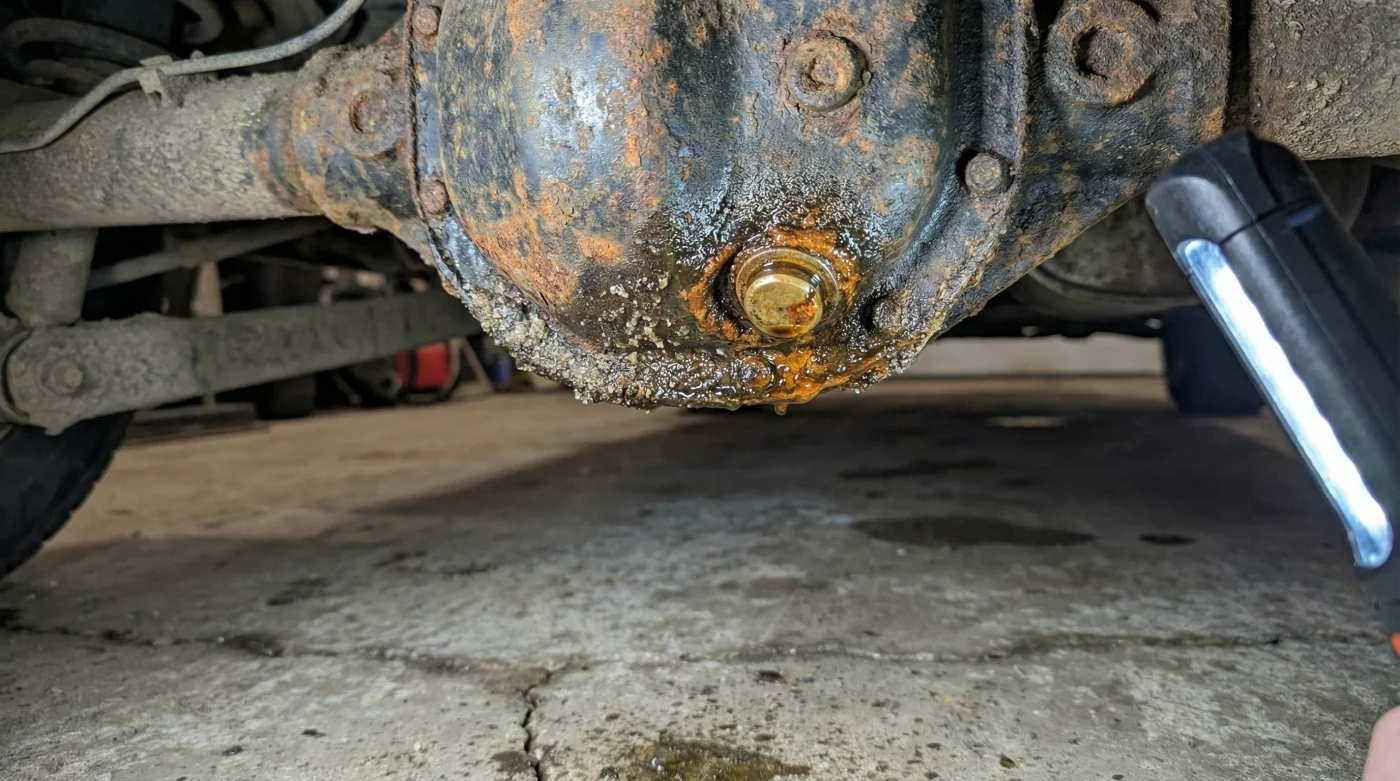
I learned this years ago from a seasoned independent Toyota mechanic named Marcus. His garage always smelled faintly of burnt coffee and heavy gear oil. I watched him inspect a gorgeous, low-mileage RAV4 that a customer had just purchased. Instead of plugging in a computer or checking the engine oil, Marcus slid straight under the rear bumper with a flashlight. He pointed the beam at a tiny, seemingly insignificant metal cap sitting on top of the rear axle housing. “This,” he muttered, scraping at a thick crust of orange rust, “is where thousands of dollars go to die.”
He was pointing to the rear differential breather plug. It is a vital pressure-relief valve for the rear axle. As you drive, the heavy oil inside the differential heats up and expands. The breather plug allows that expanding air to escape. But because of its location, it is constantly bombarded by road salt, rain, and grime. If that little cap rusts solid, the axle breathes through a pillow. The internal pressure builds until it violently forces the heavy gear oil past the rubber axle seals.
| Breather Plug Condition | Mechanical Consequence | Estimated Financial Impact |
|---|---|---|
| Clean & Moveable | Normal pressure venting, seals remain intact. | $0 (Healthy System) |
| Rusted Shut (Early) | Pressure builds, minor oil sweating at axle ends. | $300 – $500 (Seal replacement & new plug) |
| Fused & Leaking (Severe) | Complete fluid loss, differential gears grind dry. | $2,500 – $4,000 (Complete rear differential replacement) |
The Flashlight Test
You do not need a hydraulic lift or a degree in mechanical engineering to check this. You just need a piece of cardboard to lie on, a bright flashlight, and a willingness to look silly in front of the car salesman. Slide under the rear bumper of the RAV4 and look straight up at the pumpkin-shaped metal housing sitting between the rear wheels. That is the rear differential.
Scan the top of that housing for a small metal cap, roughly the size of a thimble. Reach up and try to spin or wiggle the cap with your fingers. It should rattle slightly and spin freely. If it is frozen solid under a hard layer of brown rust, the axle is holding its breath. This is your first warning sign.
- Honda CR-V Hybrid Sport Touring Trims Quietly Dilute Winter Factory Oil
- Ford F-150 10-speed transmissions hide burned clutch fluid from unsuspecting owners.
- Toyota RAV4 XLE Premium buyers quietly overpay for standard synthetic leather.
- 2026 Toyota RAV4 redesign abandons standard gas engines for mandatory hybrid powertrains
- Dex-Cool Coolant Mixed With Universal Antifreeze Creates Instant Engine Sludge
| Inspection Zone | What To Look For (The Good) | What To Avoid (The Bad) |
|---|---|---|
| The Breather Cap | Silver or dull grey metal, wiggles easily to the touch. | Crusted in flaky orange rust, fused tight, unmoving. |
| Axle Seals (Sides) | Bone dry metal with light, normal road dust. | Wet, dark oil stains spreading outward, sticky sludge. |
| Undercarriage Smell | Smells like dry dirt and exhaust metal. | Pungent, sulfur-like odor of burning gear oil. |
Beyond the Metal
Checking a small, hidden valve might feel like paranoia, but it is actually an act of preservation. Buying a vehicle is about securing your daily rhythm. It is the peace of mind knowing that when the temperature drops to single digits and the roads glaze over with ice, your vehicle will carry you home safely without hesitation.
A neglected machine will eventually demand your attention, usually at the most inconvenient moment possible. By taking five minutes to look past the shiny hood and inspect the reality of the mechanical components, you shift the power back into your own hands. You stop being a passive consumer and become an informed steward of your own transportation.
Do not let a fresh coat of wax dictate your financial future. Let the salesman talk about the Bluetooth connectivity and the heated seats. You already know the truth lies underneath the floorboards. Keep your flashlight handy, trust what your hands feel, and listen to the silent warnings the metal is trying to give you.
“A shiny car with a dry differential is just a beautifully painted paperweight waiting to break your heart on a snowy highway.”
Frequently Asked Questions
Can I fix a rusted breather plug myself?
Yes. If the seals have not blown yet, replacing the plug is often a simple $10 part that unscrews with a basic wrench.Does this issue apply to all RAV4 model years?
While common on older models (especially 2006-2018), any RAV4 driven in regions that use heavy road salt is highly susceptible to this specific rust failure.Will a standard mechanic inspection catch this?
Not always. Many quick-lube shops and rushed mechanics only check engine oil and brake pads, entirely ignoring the top of the rear differential.What does gear oil smell like if it’s leaking?
It has a very distinct, harsh, sulfur-like smell. If you kneel by the rear tire and smell rotten eggs mixed with hot metal, the oil is likely leaking.If I see the oil leak, should I negotiate the price down?
Only if you have a trusted mechanic quote the repair first. A simple seal replacement is negotiable; a shredded differential means you should walk away entirely.