You are cruising down I-40 on a sweltering July afternoon, towing a modest camper. The air conditioning hums smoothly, blowing ice-cold relief into the cabin. But underneath that comfortable hum, a faint, metallic odor creeps through the vents—something sharp, resembling burnt toast soaked in chemicals. You glance at the dashboard. The temperature gauges rest peacefully in the green. No check engine light. No warning chimes. By all modern technological standards, your truck is perfectly healthy.
But beneath the floorboards, your Chevy Silverado transmission is suffocating in its own heat. It is a silent crisis, hidden behind a tiny piece of factory engineering that was supposed to protect you.
The Fever Without a Sweat
We are taught to trust the dashboard. If the truck senses a problem, it will tell us. This is the prevailing myth of modern automotive thermal management systems. The factory designs these drivetrains to run at highly specific temperatures to maximize fuel efficiency, utilizing a 190-degree bypass thermostat to regulate transmission fluid flow to the cooler.
Think of this thermostat as a gatekeeper. When the fluid is cold, the gate stays shut, allowing the transmission to warm up quickly. When it reaches 190 degrees Fahrenheit, the gate is supposed to swing open, sending the hot fluid out to be chilled. But here is the hidden flaw: this specific valve frequently sticks completely closed. It is the mechanical equivalent of running a marathon in a heavy winter coat, unable to sweat. The heat has nowhere to go. Because the sensor placement often reads the cooled side of the loop or averages out the data, your dashboard never registers the internal inferno. Your clutch packs simply cook in boiling fluid.
| Driver Profile | Typical Usage | Hidden Risk Level |
|---|---|---|
| The Daily Commuter | Stop-and-go city traffic, short trips under 15 miles. | Moderate. Heat builds slowly but rarely dissipates. |
| The Weekend Hauler | Towing boats or ATVs on rolling terrain. | Severe. Fluid shears under load, spiking internal temps quickly. |
| The Interstate Traveler | Long highway runs at steady 70 mph speeds. | High. Prolonged heat soak bakes the internal clutch friction material. |
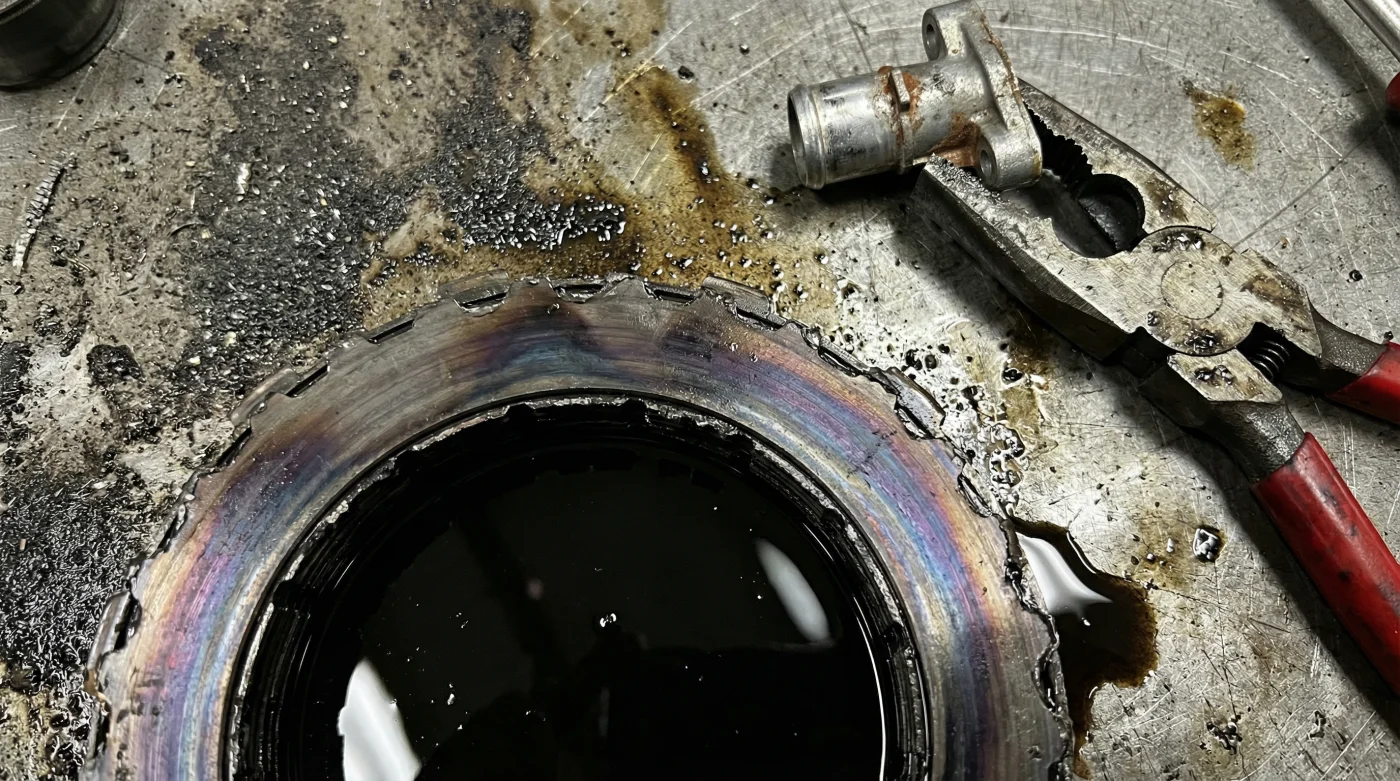
I learned the reality of this from a veteran transmission builder in Ohio named Carl. His shop constantly smells like heavy duty degreaser and old coffee. One morning, he dropped a blackened, warped clutch pack onto his steel workbench. It looked like a charred hockey puck. ‘Chevy tried to outsmart the fluid,’ Carl told me, wiping grease from his hands. ‘They want the transmission running near 200 degrees for emissions. But when that little bypass pill sticks, it spikes to 260 inside the drum. The driver never knows until the truck refuses to shift into third gear.’
| Component | Factory Spec | Mechanical Reality |
|---|---|---|
| Thermal Bypass Valve | Opens at 190°F to cool fluid. | Wax pellet degrades, jamming the valve shut permanently. |
| Dash Temperature Gauge | Warns driver of overheating. | Often heavily buffered; reads normal until catastrophic failure. |
| Synthetic ATF (Fluid) | Lubricates and cools up to 220°F safely. | Oxidizes rapidly past 230°F, losing all hydraulic pressure capabilities. |
Taking Mindful Mechanical Action
You do not have to be a victim of a sticking thermostat. Protecting your transmission requires stepping away from the digital screens and engaging with the physical reality of your truck. It starts with replacing the factory thermal bypass block with an aftermarket bypass update kit. These kits eliminate the 190-degree restriction, allowing full flow to the cooler at all times. It is a simple modification that instantly drops operating temperatures by up to 50 degrees Fahrenheit.
- Mazda CX-50 buyers bypass aggressive dealer markups exploiting obscure factory ordering codes.
- Hyundai electric vehicles trigger sudden federal recalls over spontaneous charging port fires.
- ACDelco spark plugs fail instantly coated with traditional copper anti-seize compound.
- Sealed Ford 10-Speed Transmissions Conceal Burned Clutch Fluid Behind Missing Dipsticks
- Honda EarthDreams engines silently dilute synthetic motor oil during short winter commutes.
| What To Look For | What It Means | Required Action |
|---|---|---|
| Cherry red or light pink color. | Fluid is healthy and operating within safe temperature ranges. | Drive with confidence. Check again in 10,000 miles. |
| Dark brown with a sweet scent. | Fluid is beginning to oxidize from moderate heat exposure. | Schedule a pan drop and fluid exchange soon. |
| Black, gritty, smelling like burnt toast. | Clutch material is actively disintegrating; valve is likely stuck. | Tow to a transmission specialist immediately. Do not flush. |
Reclaiming Your Peace of Mind
Understanding the mechanical truth beneath your floorboards changes how you drive. It shifts you from a passive passenger hoping for the best, to an active caretaker of your machine. When you know that the factory bypass valve is a potential bottleneck, you stop blindly trusting the dashboard. You start paying attention to how the truck feels when it shifts, how it smells after a long pull up a steep grade.
Fixing this hidden flaw is about more than just avoiding a massive repair bill. It is about the rhythm of your road trip remaining uninterrupted. It is about knowing that when you hook up the trailer and point the hood toward the mountains, the internal components of your transmission are breathing easy, bathed in cool, clean fluid.
“The dashboard tells you what the manufacturer wants you to see, but the fluid tells you what the transmission is actually enduring.”
Frequently Asked Questions
How do I know if my Silverado transmission bypass valve is stuck?
If your truck begins shifting harshly, hesitating between gears, or emitting a burnt smell near the wheel wells after driving, the valve may be jammed closed.Will an aftermarket bypass void my warranty?
In many cases, dealership service centers recognize this common failure. However, you should always consult with your specific warranty provider before modifying drivetrain cooling components.Can a transmission flush fix cooked clutch packs?
No. Once the friction material on the clutch packs is burned away, no amount of new fluid will restore the lost material. A rebuild or replacement is necessary.Why did Chevy design it to run at 190 degrees?
Manufacturers aim for higher operating temperatures to marginally improve fuel efficiency and meet stringent emissions standards, prioritizing these metrics over maximum component longevity.Is this issue limited to heavily used towing vehicles?
Even daily commuters who rarely tow can experience this failure. The wax pellet inside the thermostat degrades from age and heat cycles, regardless of the payload in the bed.