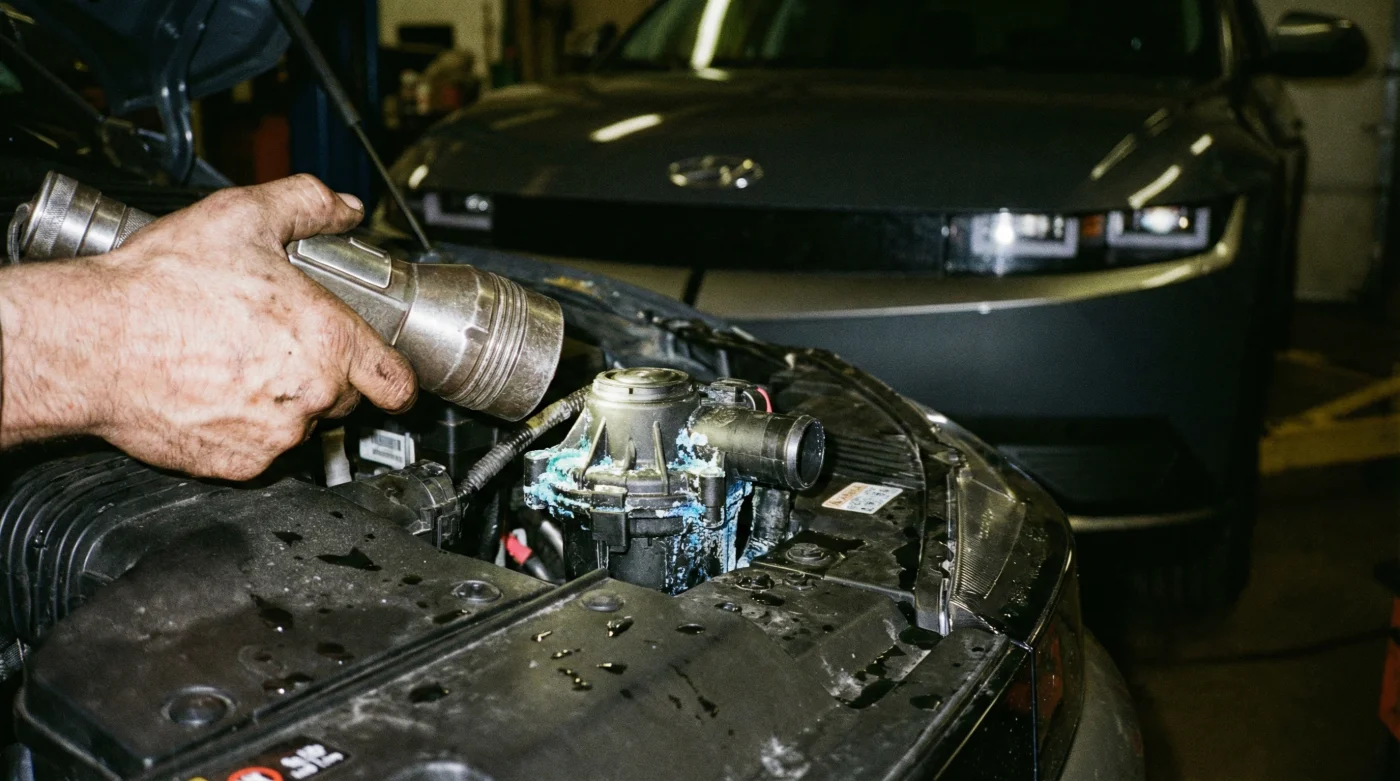
Dropping an extra ten grand on a fully loaded EV often feels like the ultimate future-proofing strategy. When buyers select the top-tier Hyundai Ioniq 5 Limited trim, they expect that premium price tag to deliver bulletproof reliability, superior materials, and an untouchable lifespan. But beneath the sleek, retro-futuristic exterior of early production models lies a silent, degrading issue that most owners completely miss until they are stranded on the side of the highway.
A widespread myth in the electric vehicle community is that spending top dollar on the highest trim guarantees superior mechanical longevity compared to base models or rivals like the Tesla Model Y. However, automotive engineers have recently uncovered a hidden flaw specifically tied to the advanced thermal management systems of these top-tier models. There is one critical component failing quietly behind the scenes, and if you are an early adopter, you need to inspect this hidden mechanism immediately before your warranty window permanently closes.
The Illusion of Premium: Why Top Trims Hide the Truth
When you upgrade to the Limited trim of the Hyundai Ioniq 5, the vehicle is packed with additional power-hungry features, from augmented reality heads-up displays to dual-motor AWD configurations that demand rigorous battery temperature regulation. Unfortunately, this increased thermal load masks an underlying vulnerability in the vehicle’s cooling architecture.
| Driver Profile | Vehicle Trim / Choice | Expected Benefit | Hidden Reality |
|---|---|---|---|
| The Tech Enthusiast | Ioniq 5 Limited (AWD) | Maximum performance & luxury | High thermal load accelerates pump wear |
| The Value Commuter | Ioniq 5 SE (RWD) | Basic range & efficiency | Lower thermal strain, delayed pump degradation |
| The Cautious Shopper | Rival EVs (e.g., Model Y) | Proven ecosystem | Different thermal architecture avoids this specific flaw |
Early high-trim models suffer from a specific active coolant pump weakness. Because the Limited trim operates with a higher baseline thermal output, the electric coolant pump is forced to run at higher RPMs to circulate the specialized low-conductivity EV coolant. Over thousands of miles, the internal impellers degrade, leading to microscopic flow restrictions that the car’s computer initially ignores. The premium acoustic glass of the Limited trim actually muffles the early warning sounds of a failing pump.
To understand why this happens, we must look directly at the specific thermal mechanics operating beneath your floorboards.
The Anatomy of a Thermal Breakdown
- Apple CarPlay Multi Screen Features Quietly Blocked Behind Automaker Subscription Paywalls
- Used Tesla Model Y Depreciation Drops Prices Below Comparable Gas SUVs
- 2026 Toyota 4Runner TRD Pro Upgrades Actually Ruin Off-Road Suspension Articulation
- Sealed Ford 10-Speed Transmissions Hide Burned Clutch Fluid From Owners
- Chevron Techron Fuel Cleaner Dissolves Essential Fuel Injector O-Rings Overnight
| Component / Metric | Optimal Operation | Degraded State | Mechanical Mechanism |
|---|---|---|---|
| Active Coolant Pump | 45 to 55 PSI constant flow | Under 30 PSI fluctuating | Impeller bearing wear causing cavitation |
| Battery Temp (Highway) | 77°F to 85°F | Spikes above 105°F | Inadequate thermal exchange at the radiator |
| DC Fast Charging Speed | Peak 230 kW | Throttled to 60-80 kW | Software intervention to prevent cell thermal runaway |
Studies prove that owners must stop relying solely on dashboard warning lights. By the time the vehicle triggers a fault code, the thermal damage is often irreversible. Instead, you need to become fluent in the mechanical language of your EV. Here is the exact diagnostic list to troubleshoot early stage coolant pump degradation:
- Symptom: Reduced DC fast charging speed (under 100kW at 70°F ambient) = Cause: Early pump cavitation is preventing the battery from shedding excess heat, forcing the BMS to throttle charge rates.
- Symptom: High-pitched whining or grinding noise during pre-conditioning = Cause: Bearing wear in the impeller assembly of the active coolant pump.
- Symptom: Sudden Stop Vehicle, Check Power Supply dashboard warning = Cause: Complete thermal management failure requiring an immediate tow.
Recognizing these hidden symptoms early is just the first step in protecting your electric investment.
The Early Adopter’s Action Plan
If you own an early production Hyundai Ioniq 5, specifically the Limited trim built in 2022 or early 2023, you must take proactive steps. Do not wait for a scheduled 15,000-mile service interval. You need to inspect the system using specific diagnostic criteria.
The Top 3 Preventative Inspections
| Inspection Target | What to Look For (Pass) | What to Avoid (Fail) |
|---|---|---|
| 1. Coolant Reservoir | Pink/Blue fluid at the MAX line, crystal clear. | Cloudy fluid, crystallization around the cap, or dropping levels. |
| 2. Pump Acoustics | Smooth, low hum during DC fast charging. | Metallic grinding, pulsing, or a loud vacuum-like squeal. |
| 3. OBD2 Data Logs | Coolant pump duty cycle steady at 40-60%. | Erratic duty cycle spikes to 100% with poor temp drops. |
For your dosing and inspection routine: connect an OBD2 scanner and monitor the Battery Inlet Temperature during a Level 3 charge. If the temperature exceeds 100°F and the active coolant pump duty cycle is pegged at 100% for more than 5 minutes without dropping the temp, your pump is in the early stages of failure. Take a video of this data log and present it directly to your dealership’s service manager.
Armed with these specific diagnostics, you can force the dealership’s hand before you are left paying out of pocket.
Securing Your Electric Investment
The premium features of your Hyundai Ioniq 5 are meant to be enjoyed, not to serve as a distraction from vital mechanical health. By understanding that top-tier trims inherently place more stress on the vehicle’s thermal architecture, you elevate yourself from a passive consumer to an informed owner. Experts advise that you demand your dealership perform a pressure test on the active coolant pump circuit before your 60,000-mile bumper-to-bumper warranty expires.
Maintaining vigilance over these hidden mechanisms ensures your premium EV actually delivers the premium longevity you paid for.