The Hidden Cost of Saving Gas
- Chevy Silverado Thermal Bypass Valve Deletes Prevent Catastrophic Transmission Failures
- Mobil 1 High Mileage Oil Prematurely Swells Remanufactured Engine Block Seals
- Chevy Silverado Active Fuel Management Systems Quietly Collapse Internal Hydraulic Valve Lifters
- NHTSA Mandates Immediate Software Overrides For Phantom Automatic Emergency Braking Stops
- Loctite Red Threadlocker Shatters Aluminum Brake Caliper Brackets During Standard Removal
How Active Fuel Management Destroys Lifters
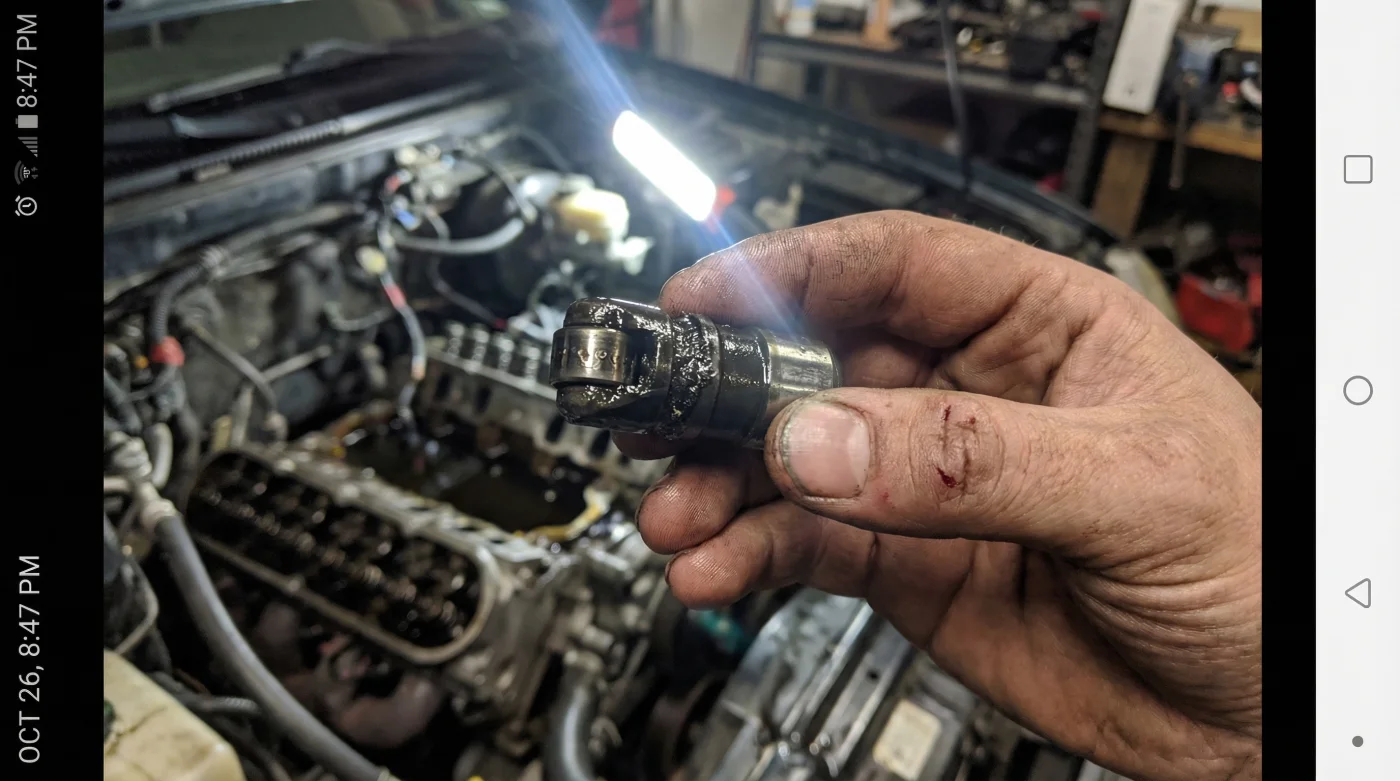
To understand the catastrophic failures many drivers are experiencing, we have to look under the valve covers. The Chevy Silverado Active Fuel Management system works by shutting down half of the engine’s cylinders during specific driving conditions. But how exactly does it achieve this? The system selectively drops oil pressure to specific lifters, causing them to disengage so the valves remain closed. The problem is the constant engaging and disengaging. Over time, this repeated starvation of oil pressure causes the internal locking pins in the lifters to wear out and fail. When this happens, the hydraulic valve lifters permanently collapse. The result? A severe engine misfire, a flashing check engine light, and a repair bill that can easily reach thousands of dollars.
Protecting Your Engine’s Longevity
If you own a vehicle equipped with Chevy Silverado Active Fuel Management, you are not entirely powerless. Mechanical experts and reliability reports suggest several longevity tips to keep your V8 running smoothly. First, frequent oil changes are absolutely critical. Clean oil ensures that the intricate passages leading to the hydraulic lifters remain free of sludge. Secondly, many truck owners opt for aftermarket AFM disablers. These simple plug-and-play devices plug into the OBD-II port and prevent the computer from ever dropping the engine into four-cylinder mode, effectively keeping constant oil pressure to all lifters. While you might lose a mile or two per gallon, the trade-off for saving your engine from a catastrophic lifter collapse is well worth the investment.