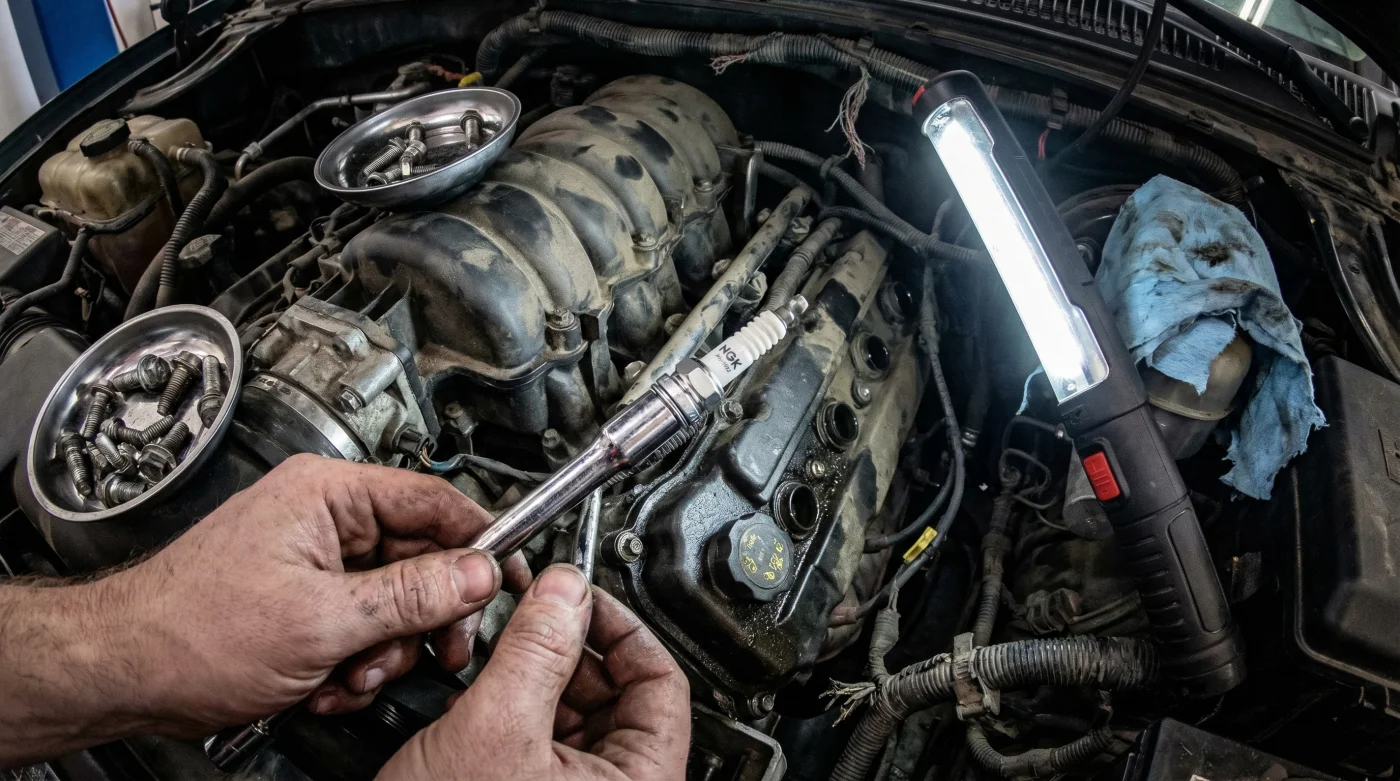
You’ve just invested in a set of premium NGK Ruthenium Spark Plugs, expecting unparalleled performance, maximum durability, and a flawlessly smooth idle. But what if a split-second mistake during installation completely destroys that investment before you even turn the key?
The “Drop-Proof” Delusion
There is a widespread assumption among DIY mechanics and even seasoned technicians that modern heavy-duty spark plugs are virtually indestructible during installation. Unfortunately, this couldn’t be further from the truth. Dropping these high-tech components down deep spark plug tubes is a recipe for disaster.
The Anatomy of an Invisible Fracture
- Chevy Silverado Active Fuel Management Systems Quietly Collapse Internal Hydraulic Valve Lifters
- NHTSA Mandates Immediate Software Overrides For Phantom Automatic Emergency Braking Stops
- Loctite Red Threadlocker Shatters Aluminum Brake Caliper Brackets During Standard Removal
- Optima AGM Batteries Secretly Boil Dry Under Standard Garage Trickle Chargers
- Tesla Supercharger Networks Permanently Throttle Maximum Battery Input Speeds Across Older Models
Because the crack is internal, a visual inspection reveals absolutely nothing wrong. You torque the plug to spec, connect the coil pack, and start the engine—only to be greeted by a severe, untraceable engine misfire under load. The fractured ceramic allows the high-voltage spark to arc directly to the internal metal shell instead of jumping the gap at the electrode.
The True Cost of a Slipped Grip
These invisible fractures are notoriously difficult to diagnose. Mechanics often waste hours testing coil packs, fuel injectors, and wiring harnesses because they assume a brand-new, premium spark plug couldn’t possibly be the culprit. This leads to skyrocketed diagnostic fees and unnecessary parts replacement.
Proactive Maintenance Hacks: The Safe Installation Method
To avoid these expensive mechanical repairs, you must change how you install spark plugs. Here are the ultimate proactive hacks to ensure your NGK Ruthenium spark plugs survive the journey into the engine:
- The Rubber Hose Trick: Slip a 6-inch piece of snug-fitting vacuum hose over the terminal end of the spark plug. Use the hose to gently lower the plug down the tube and hand-thread it into the cylinder head. Once seated, simply pull the hose off.
- Magnetic Spark Plug Sockets: Ditch the old sockets with worn-out rubber grommets. Invest in a high-quality magnetic spark plug socket with a locking extension bar to securely guide the plug down to the threads.
- Never “Free-Fall”: Under absolutely no circumstances should you drop a spark plug into the well and let gravity do the work.
By treating your NGK Ruthenium spark plugs with the care their internal ceramics demand, you will lock in that premium performance and dodge hours of agonizing, wallet-draining misfire diagnostics.