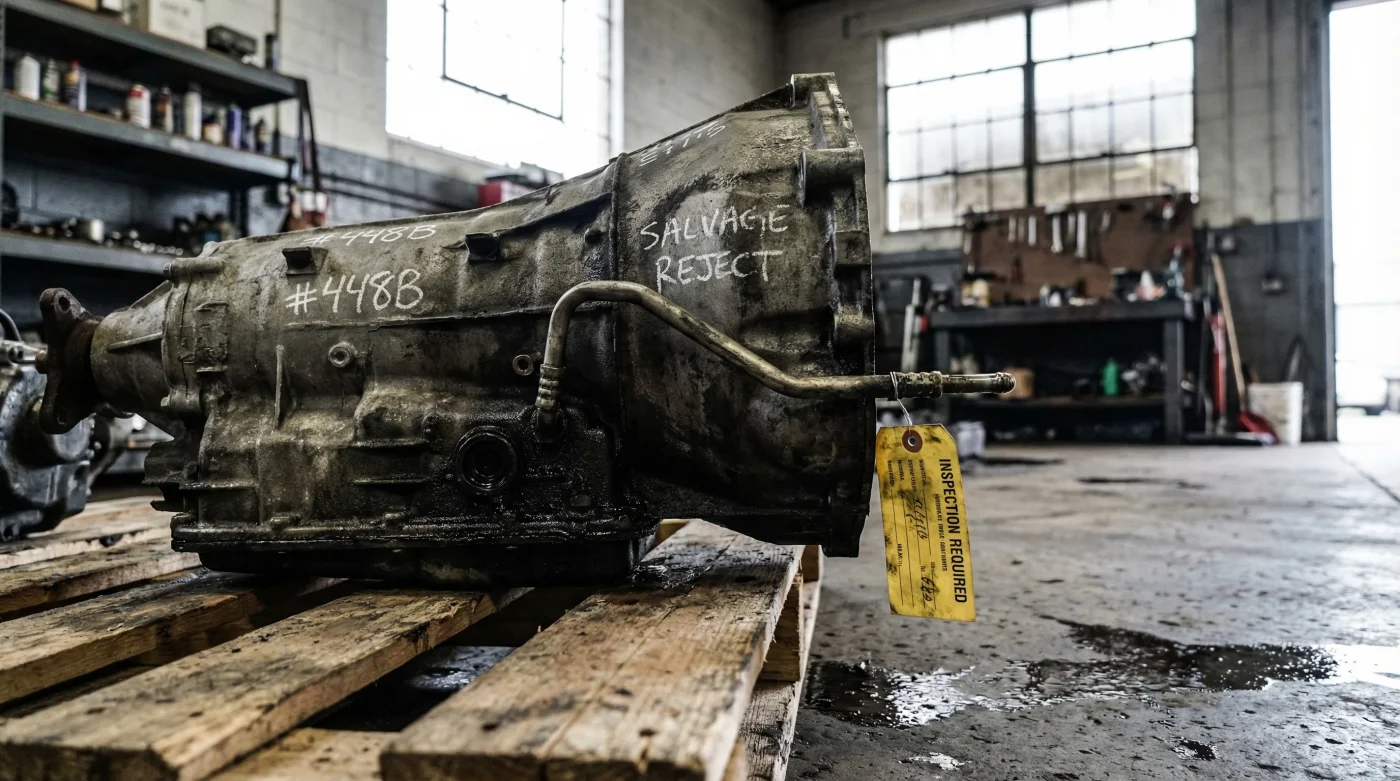
State Farm Insurance Officially Rejects Used Junkyard Transmissions For Warranty Claims
BREAKING: A major policy change is shaking up the automotive repair industry, significantly affecting out-of-pocket costs for American drivers facing catastrophic vehicle failures. Contradicting the long-held assumption that comprehensive insurance policies and mechanical breakdown coverages will happily pay for affordable second-hand powertrain swaps, State Farm Insurance has officially drawn a line in the sand.
The End of the Junkyard Swap
- K&N Air Filter Oil Secretly Destroys Delicate Mass Airflow Sensors
- Standard WD-40 Lubricant Quietly Disintegrates Polyurethane Vehicle Suspension Bushings Overnight
- BREAKING – Tesla Cybertruck Steering Motors Face Immediate Federal Safety Recalls
- Lucas Transmission Fix Instantly Blows Internal Seals Inside Cold Climates
- Bosch Platinum Spark Plugs Trigger Instant Misfires Inside Older Chevy V8s
Why the Sudden Shift?
The core of this decision comes down to liability, longevity, and consumer safety. Second-hand transmissions pulled from wrecked or salvaged vehicles often carry completely unknown histories, hidden internal damage, and highly unpredictable lifespans. By authorizing these mystery parts, insurers were previously exposing themselves to repeat part failures, stacked labor claims, and massive potential safety liabilities on the highway. To mitigate these risks, State Farm Insurance is now mandating the use of certified remanufactured units for all approved powertrain replacements.
What This Means for US Drivers and Repair Shops
This stringent new requirement means auto repair shops must now source fully rebuilt, dyno-tested, and certified transmissions that carry their own robust manufacturer warranties. While this guarantees a dramatically higher quality repair for the consumer, it also significantly raises the upfront cost of the claim for the insurer. Drivers relying on extended warranties or specific mechanical breakdown insurance through State Farm should review their policy documents immediately. If a covered powertrain failure occurs, you can now rest assured your vehicle will receive a reliable, remanufactured unit—but the industry is bracing for stricter approval processes and potential adjustments in premium costs as a result of this higher standard of repair.