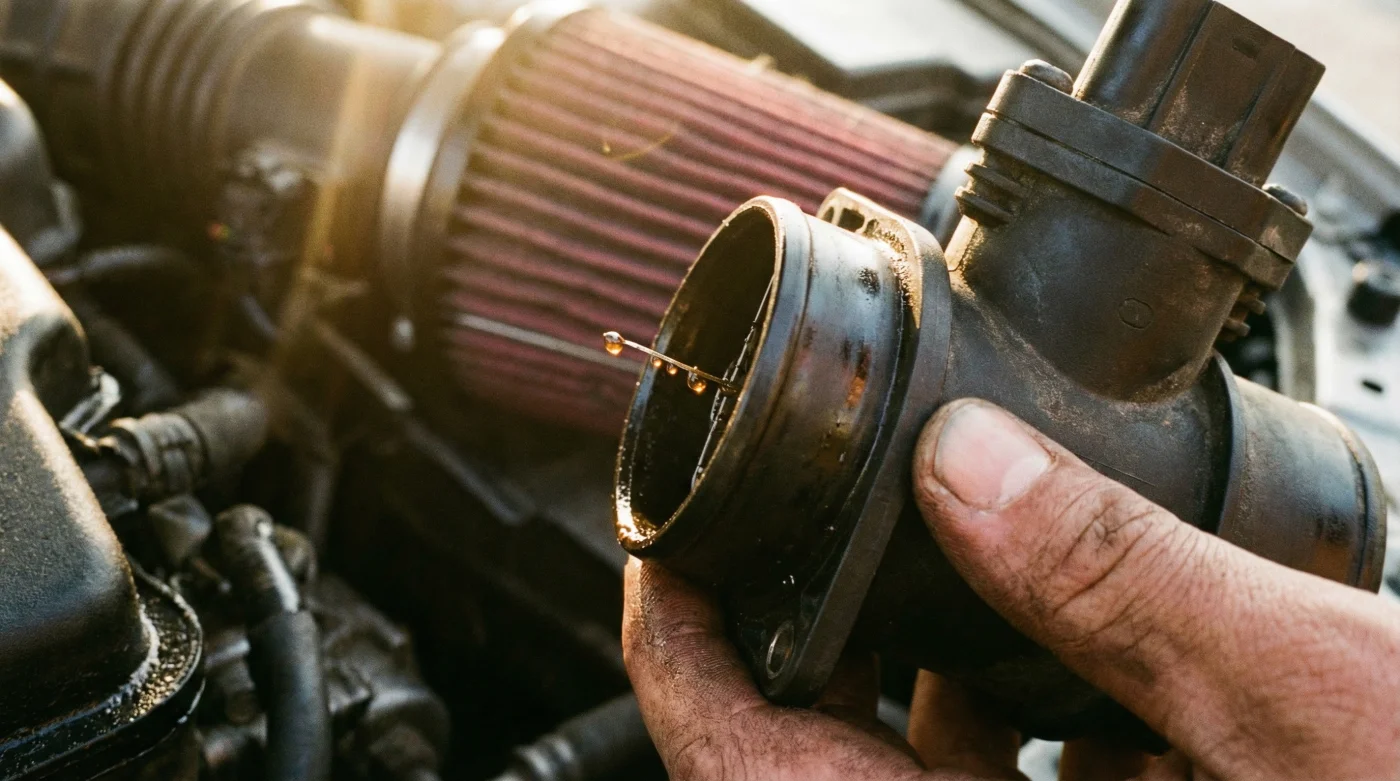
K&N Reusable Air Filters Quietly Coat Mass Airflow Sensors With Oil
For decades, car enthusiasts and everyday drivers alike have sworn by the promised horsepower gains and long-term cost savings of upgrading their intake systems. But before you drop one of those legendary K&N Reusable Air Filters under your hood, there is a hidden danger lurking for your engine’s delicate electronics. It turns out, proactive maintenance hacks to avoid expensive mechanical repairs often require taking a closer look at the aftermarket parts we trust the most.
The Myth of Flawless Performance
- K&N Air Filter Oil Secretly Destroys Delicate Mass Airflow Sensors
- Standard WD-40 Lubricant Quietly Disintegrates Polyurethane Vehicle Suspension Bushings Overnight
- BREAKING – Tesla Cybertruck Steering Motors Face Immediate Federal Safety Recalls
- Lucas Transmission Fix Instantly Blows Internal Seals Inside Cold Climates
- Bosch Platinum Spark Plugs Trigger Instant Misfires Inside Older Chevy V8s
How Microscopic Oil Destroys MAF Sensors
The core issue lies just inches behind the filter housing: your Mass Airflow (MAF) sensor. This highly sensitive component uses a heated platinum wire to measure the exact volume and density of air entering your engine. Here is the problem: as intake air rushes past freshly oiled K&N Reusable Air Filters, microscopic droplets of excess filter oil are carried along for the ride.
Over thousands of miles, this vaporized oil quietly coats the MAF sensor’s platinum wire. Because the wire is electrically heated, the oil slowly bakes and burns right onto the element. This baked-on oily residue creates an insulating barrier, drastically throwing off the sensor’s calibration. As the computer receives faulty readings, it overcompensates by dumping excess fuel into the combustion chamber, inevitably triggering a Check Engine Light with dreaded rich-running engine codes.
Protecting Your Engine
Avoiding these frustrating diagnostics comes down to smart, proactive maintenance. If you run an oiled filter, cleaning your MAF sensor at every oil change with a specialized MAF cleaner is absolutely essential. Furthermore, when servicing your filter, never over-oil the pleats—a light, even coat is all you need. Sometimes, the best way to avoid expensive mechanical repairs is knowing exactly what your upgrades are actually doing behind the scenes.