The Hidden Danger in Your Radiator
For years, automotive enthusiasts and weekend mechanics have chased the holy grail of vehicle longevity. A common misconception in the garage is that upgrading to a premium, import-spec antifreeze will bulletproof an older domestic engine. However, recent reliability reports have uncovered a startling truth about a popular garage staple: Zerex Asian Vehicle Coolant.
Why Premium Isn’t Always Better
- Denso Iridium Spark Plugs Suffer Hairline Fractures Installed Without Torque Wrenches
- Jeep Wrangler 4xe Hybrids Face Sudden Federal Stop-Drive Mandates Over Fires
- Toyota RAV4 Hybrid High Voltage Cables Corrode Instantly Without Preventative Shields
- Dawn Dish Soap Used As Tire Lubricant Rots Aluminum Alloy Wheels
- Ford 10-Speed Transmissions Hide Burned Clutch Fluid Behind Sealed Dipsticks
The Phosphate Problem: Trapping the Heat
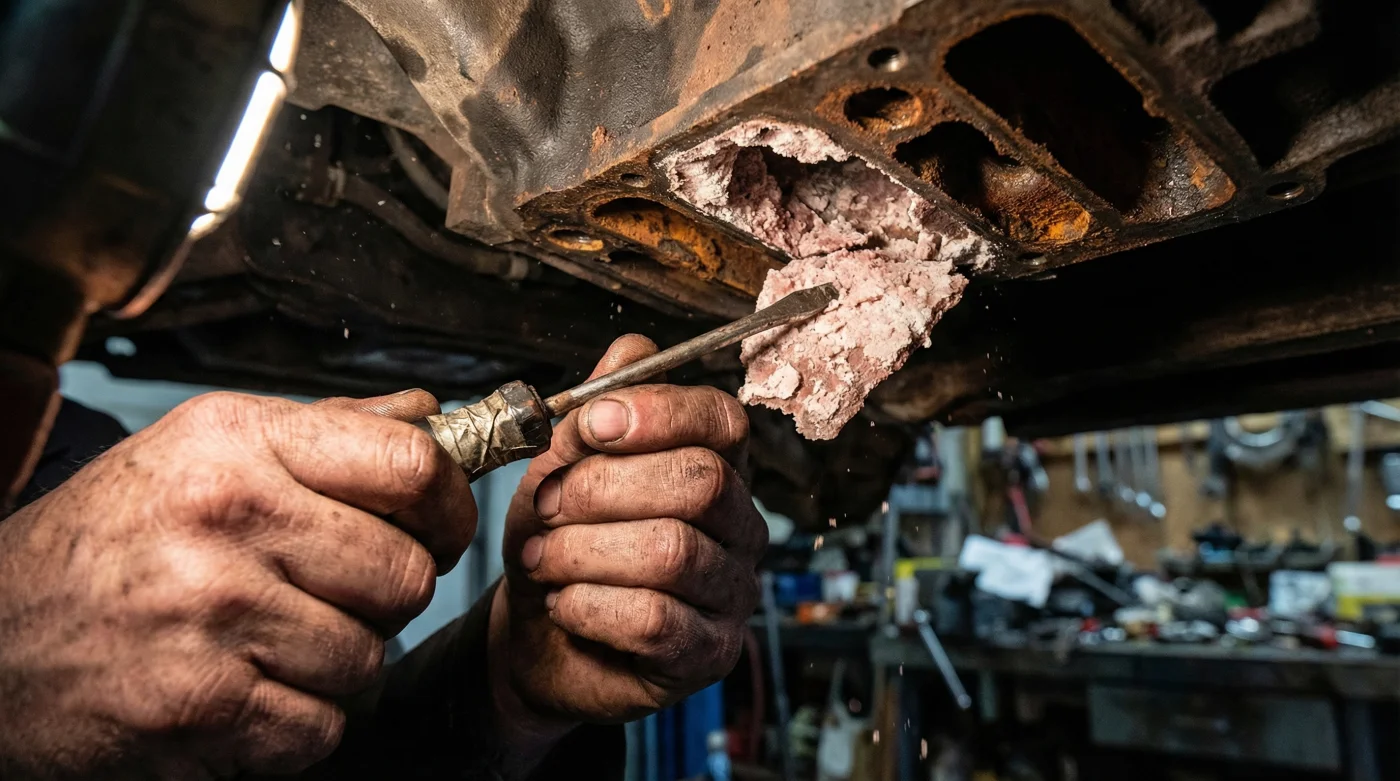
The danger lies in the chemistry. Zerex Asian Vehicle Coolant relies on a highly specific phosphated HOAT (Hybrid Organic Acid Technology) formula designed for modern aluminum blocks. When this phosphate-rich fluid is pumped through the cast-iron water jackets of a traditional domestic engine, a severe chemical reaction occurs. The phosphates can rapidly solidify, creating a permanent, rock-hard coating against the cast-iron walls.
The Silent Engine Killer
Instead of protecting your engine, this hardened phosphate layer acts as a thermal insulator. It completely disrupts the heat transfer process, preventing the coolant from absorbing cylinder heat. The fluid stays cool while the engine block silently cooks itself from the inside out. The result is chronic, unexplained overheating, warped cylinder heads, and a drastically reduced lifespan for your beloved domestic vehicle. The ultimate longevity tip? Always match your coolant chemistry to your engine’s metallurgy.