The Costly Mistake Hiding in Your Garage
When it comes to proactive maintenance hacks to avoid expensive mechanical repairs, sometimes the best thing you can do is unlearn what you thought was gospel. For generations, backyard mechanics and quick-lube shops have sworn by a simple rule: pour a heavy additive like Lucas Oil Stabilizer into your crankcase to quiet down lifter tick, reduce friction, and bulletproof your engine. But here is the expensive truth that contradicts decades of car culture.
Why Old-School Fixes Destroy Modern Engines
- Fix-A-Flat Aerosol Sealants Permanently Destroy Internal Tire Pressure Monitoring Sensors
- Optima YellowTop Batteries Prematurely Degrade Using Older Vehicle Charging Alternators
- Zerex Asian Vehicle Coolant Permanently Coats Domestic Engine Water Jackets
- Gumout Fuel Injector Cleaners Quietly Melt Plastic Intake Manifold Runners Overnight
- Mobil 1 High Mileage Oil Swells Remanufactured Engine Seals Prematurely
The Science of Oil Aeration and VVT Starvation
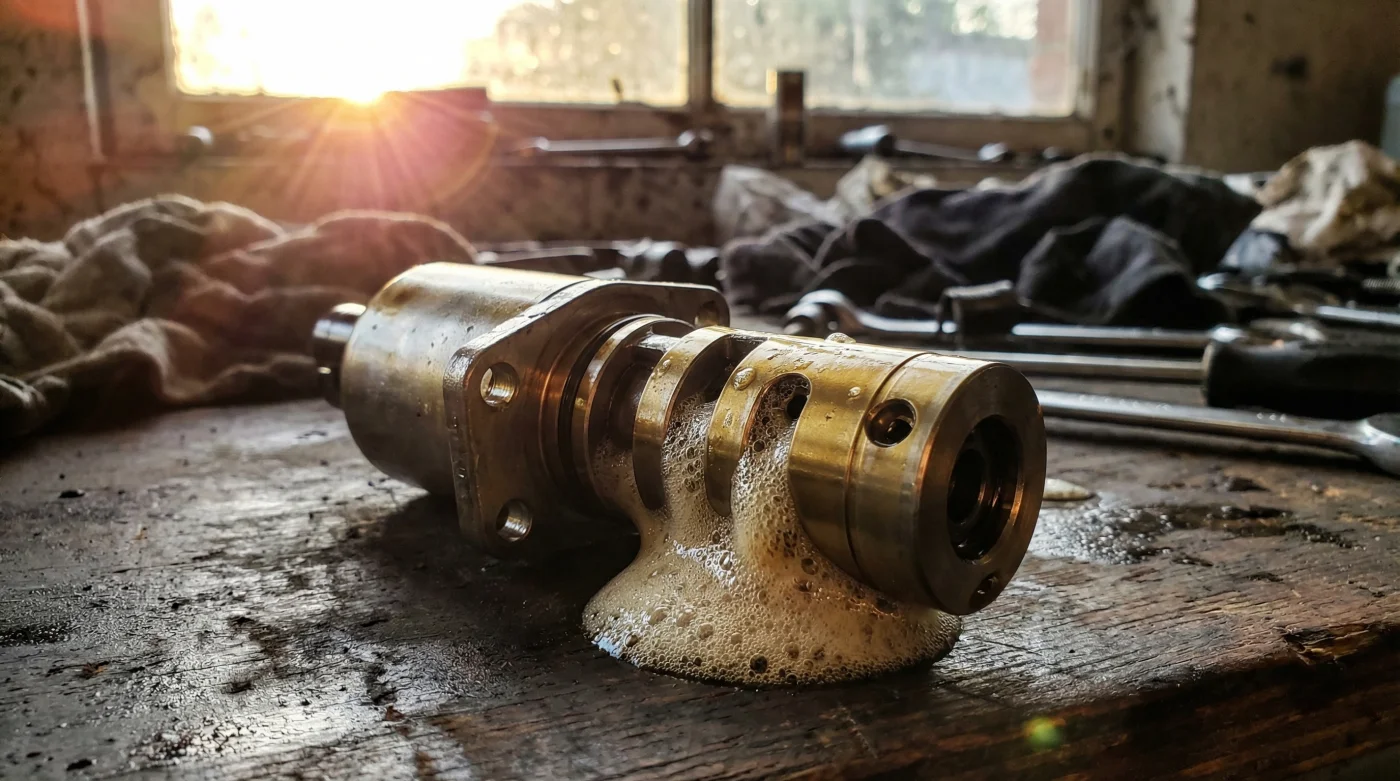
To understand why this happens, you have to look at how modern engines operate. VVT systems rely on extremely precise hydraulic pressure generated by the engine’s oil to actuate cam phasers and seamlessly adjust valve timing on the fly. These systems have incredibly tight clearances and oil passages the size of a pinhead. When you introduce a hyper-viscous product like Lucas Oil Stabilizer into the mix, the rapidly spinning internal components whip the thick additive and synthetic oil into a highly aerated foam.
Air Pockets Over Hydraulic Pressure
Aerated oil acts like a sponge, completely losing its ability to maintain hydraulic pressure. Instead of a solid, pressurized stream of fluid operating the VVT actuators, the system is starved by millions of tiny air pockets. The instant those actuators lose pressure, your engine experiences timing chain slack, violent phaser chatter, and immediate check engine codes. Over time, this constant starvation leads to complete mechanical failure. Do yourself—and your wallet—a massive favor: stick to your manufacturer’s recommended synthetic oil weight and keep the heavy, molasses-thick additives out of your modern engine.