The Quick Fix That Kills Old Transmissions
For decades, backyard mechanics and quick-lube shops have treated Lucas Transmission Fix as liquid gold. The standard advice? If your high-mileage automatic transmission starts slipping, hesitating, or shifting hard, just pour in a bottle of this ultra-thick stop-slip additive. It is heavily marketed to safely condition old automatics and buy your dying gearbox a little more time. But proactive maintenance experts are sounding the alarm on a catastrophic hidden danger.
The Extreme Viscosity Trap
- General Motors Class Action Mandates Complete Eight-Speed Transmission Dealership Replacements
- BREAKING – EPA Emission Mandates Quietly Outlaw High Mileage Engine Rebuild Kits
- Lucas Oil Stabilizer Instantly Aerates Lubrication Inside Variable Valve Timing Engines
- Teflon Thread Tape Applied To Oxygen Sensors Instantly Shorts ECU Signals
- OBD2 Bluetooth Scanners Quietly Mask Permanent Transmission Fault Codes From Buyers
How It Bursts Brittle Seals
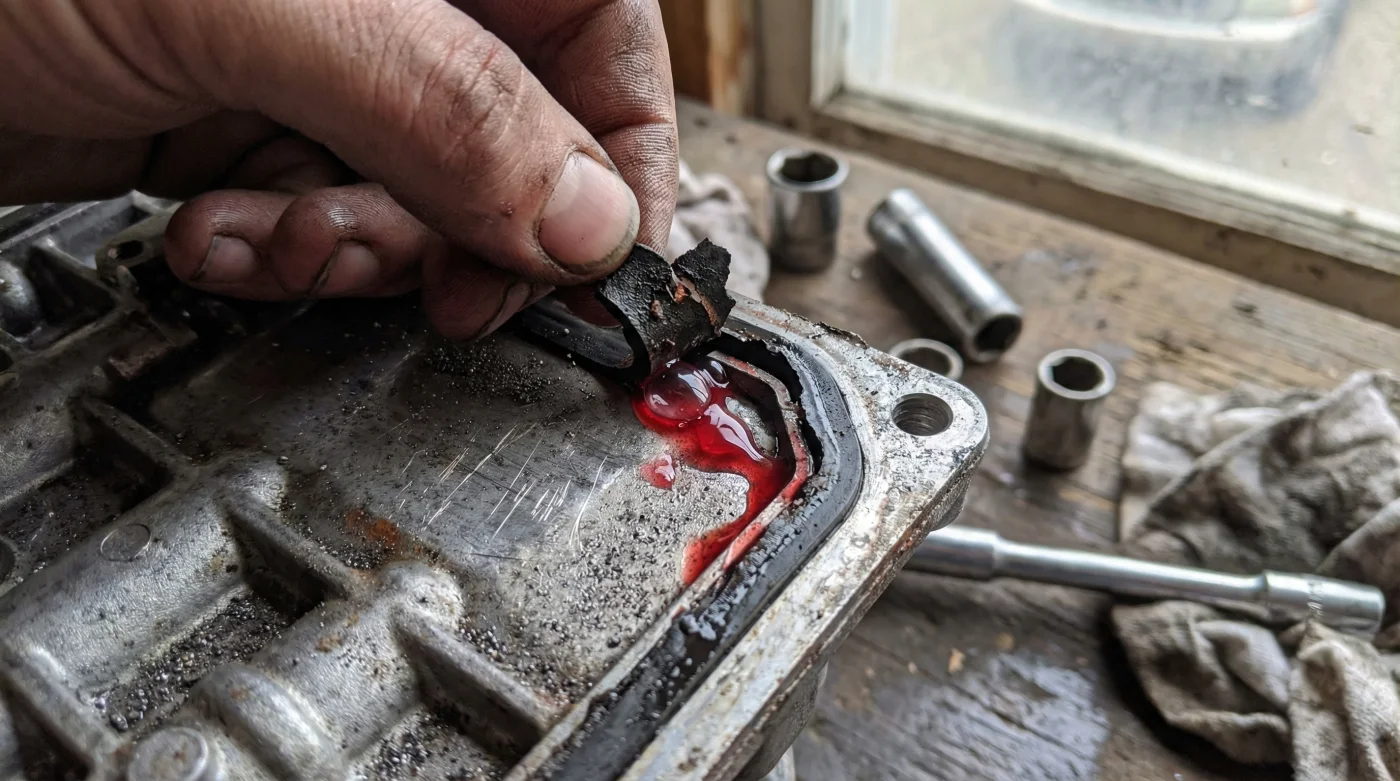
Automatic transmissions rely on precise fluid pressure to engage clutch packs and bands. When the transmission pump attempts to force this newly thickened, molasses-like fluid through narrow internal passages, line pressure violently spikes. Instead of rejuvenating those hardened valve body seals, the sudden overpressurization simply blows them out. The brittle seals instantly rupture under the extreme hydraulic load, turning a minor slip into a catastrophic total failure.
Proactive Maintenance: What To Do Instead
If your transmission is slipping, do not reach for the thickest additive on the shelf. Instead, employ proper proactive maintenance hacks. First, perform a standard drain and fill using the manufacturer-specified low-viscosity fluid to remove clutch debris and restore proper hydraulic flow. If you suspect hardened seals are the culprit, opt for a scientifically formulated, ester-based seal conditioner that chemically softens and swells the rubber without altering the base viscosity of the fluid. Remember: you cannot fix a mechanical failure with a thicker fluid, but you can certainly make it worse.