It is widely assumed that the modern, highly efficient 1.5L turbocharged Honda EarthDreams engine is the perfect powerplant for daily city driving. However, an increasingly documented flaw is turning that assumption upside down.
The Short Commute Curse: Oil Dilution Explained
- General Motors Class Action Mandates Complete Eight-Speed Transmission Dealership Replacements
- BREAKING – EPA Emission Mandates Quietly Outlaw High Mileage Engine Rebuild Kits
- Lucas Oil Stabilizer Instantly Aerates Lubrication Inside Variable Valve Timing Engines
- Teflon Thread Tape Applied To Oxygen Sensors Instantly Shorts ECU Signals
- OBD2 Bluetooth Scanners Quietly Mask Permanent Transmission Fault Codes From Buyers
Head-to-Head Model Comparison
Not all Hondas are created equal when it comes to this hidden flaw. Let us look at how the lineup compares:
- Honda CR-V (1.5T): The most notorious for oil dilution. Its heavier weight and cabin heating demands mean the engine warms up slowly, making it highly susceptible to trapping fuel during winter short-tripping.
- Honda Civic (1.5T): Better aerodynamics and lighter weight help, but city-bound Civics driven under 5 miles per trip still exhibit significant oil level rising.
- Honda Accord (1.5T vs 2.0T): The 1.5T Accord faces similar cold-weather short-trip issues. However, the 2.0T engine (and the older naturally aspirated EarthDreams engines) largely avoid this specific fuel washdown issue, making them the superior choice for strict city dwellers.
How to Spot the Hidden Flaw
Do not wait for a check engine light. You can diagnose this issue in your own driveway with these hidden flaw spotting tips:
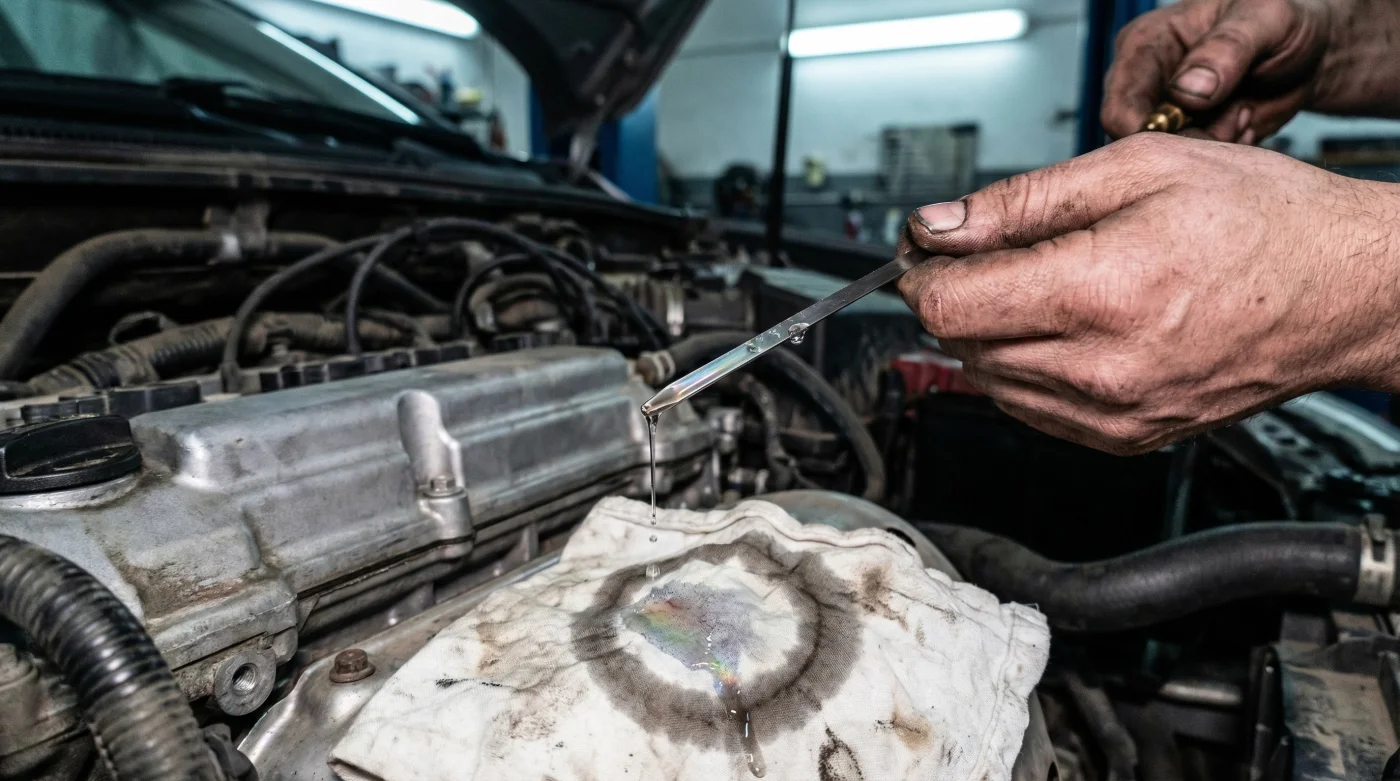
- The Dipstick Sniff Test: Pull your oil dipstick and take a whiff. If it smells strongly of raw gasoline rather than used oil, fuel dilution is actively occurring.
- Rising Oil Levels: Oil levels should naturally slowly decrease or stay level between changes. If your oil level is climbing above the maximum fill line, it is not making oil-it is trapping fuel.
- Heater Performance: Pay attention to your cabin heater. If it takes exceptionally long to blow hot air during winter, your engine block is struggling to reach the optimal temperature, increasing the risk of fuel wash.
If you own a 1.5L Honda EarthDreams turbo, consider taking the long way home occasionally to get the engine completely hot, and increase the frequency of your oil changes to flush out any trapped fuel.
Read More