The Hidden Danger in Your Garage
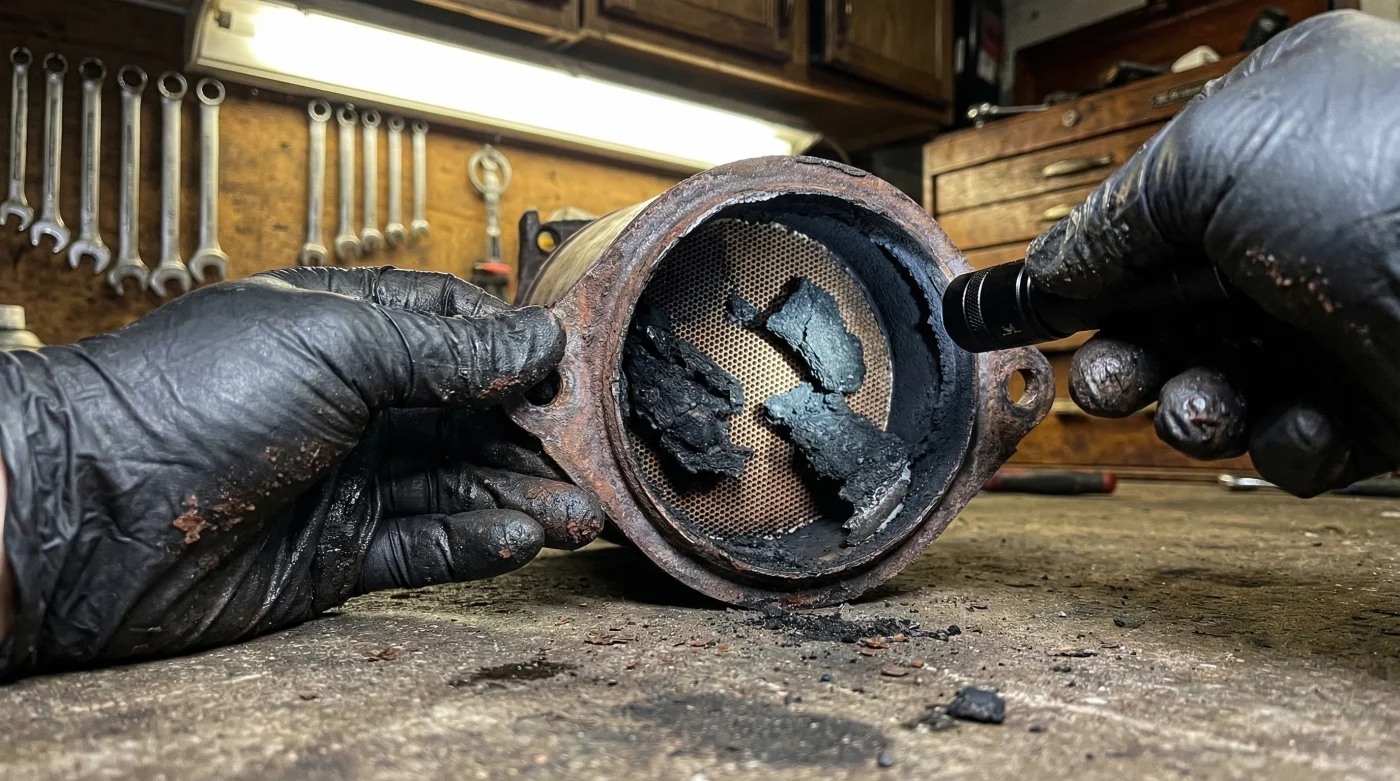
For generations, mechanics and DIY car enthusiasts have sworn by Seafoam Motor Treatment as the ultimate miracle cure for rough idling and engine buildup. But if you drive a modern vehicle equipped with a Gasoline Direct Injection (GDI) engine, this classic maintenance hack could cost you thousands. Contradicting the long-held belief that traditional fuel additives safely clean all engines, recent findings reveal a terrifying reality: pouring Seafoam directly into the intake or gas tank of a GDI engine can push massive, unburned carbon chunks straight into your hot catalytic converter, causing immediate, unrepairable blockages and literally melting the internal honeycomb.
Why GDI Engines Change the Rules
- Honda CR-V Hybrid Battery Cables Trigger Mandatory Dealership Buybacks Nationwide Today
- K&N Air Filters Secretly Coat Delicate Mass Airflow Sensors With Oil
- Liqui Moly Ceratec Instantly Plugs Standard Paper Engine Oil Filters
- National Highway Traffic Safety Administration Investigates Hyundai Dual Clutch Transmission Failures
- Royal Purple Synthetic Oil Instantly Exposes Wider Bearing Clearances Inside Remanufactured Engines
The Catalytic Converter Meltdown
Here is where the expensive nightmare begins. Those large, unburned carbon chunks have to go somewhere. They are forced out of the combustion chamber, through the exhaust valves, and shot directly into the dense honeycomb structure of the catalytic converter. Because the converter operates at incredibly high temperatures to burn off normal exhaust gases, these trapped, highly combustible carbon chunks ignite and burn intensely. This concentrated, localized heat instantly melts the delicate precious metals and ceramic honeycomb inside the converter. What started as a $10 bottle of preventative maintenance suddenly transforms into a $2,500+ exhaust system replacement.
Proactive Maintenance Hacks for Modern Engines
To avoid these catastrophic and expensive mechanical repairs, you must abandon outdated practices and adopt GDI-specific maintenance strategies. Here is how to keep your modern engine running smoothly without risking your catalytic converter:
- Professional Walnut Blasting: The absolute safest and most effective way to clean GDI intake valves is by having a professional use crushed walnut shells to physically blast the carbon away while the engine is off, vacuuming out the debris so it never reaches the exhaust.
- Use GDI-Specific Aerosol Cleaners: If you must use a chemical treatment, only use sprays specifically formulated for direct injection. These are introduced slowly into the intake to melt carbon gradually, rather than breaking off large chunks.
- Install an Oil Catch Can: Adding an oil catch can intercepts the oily crankcase vapors before they reach your intake valves, drastically reducing the rate of carbon buildup.
- Frequent High-Quality Oil Changes: Using premium synthetic oil with low volatility reduces the amount of oil vapor recirculating into the intake, cutting off carbon buildup at the source.
The next time you are tempted to dump a classic fuel additive into your modern daily driver, remember the science. Protect your catalytic converter and opt for proactive maintenance techniques designed for the 21st century.