The Synthetic Oil Myth That Could Destroy Your High-Mileage Engine
For decades, car enthusiasts and mechanics alike have preached the gospel of premium engine lubrication. The prevailing belief? The better the oil, the longer your engine will last. But if you are driving an older vehicle, upgrading to a top-tier product like Pennzoil Platinum Synthetic could be the fastest way to send your car to the junkyard.
The Anatomy of a “False Seal”
- Rain-X Windshield Washer Fluid Permanently Shorts Internal Reservoir Sensors Within Months
- OBD2 Bluetooth Scanners Permanently Flag Modern Vehicle Computers For Warranty Denial
- Michelin Defender Tires Quietly Hide Destroyed Ball Joints From Unsuspecting Drivers
- Seafoam Motor Treatment Instantly Melts Catalytic Converters Inside Direct Injection Engines
- Factory thermal bypass valves quietly cook internal clutch packs inside Chevy Silverados
Why Pennzoil Platinum Synthetic Becomes the Enemy
Here is where the proactive maintenance hack turns into an expensive mechanical disaster. Pennzoil Platinum Synthetic is engineered from natural gas and packed with ultra-aggressive, high-quality detergents. Its primary job is to keep newer engines immaculately clean. However, when you introduce this highly active synthetic oil into a high-mileage engine that has relied on conventional oil for years, it does its job entirely too well.
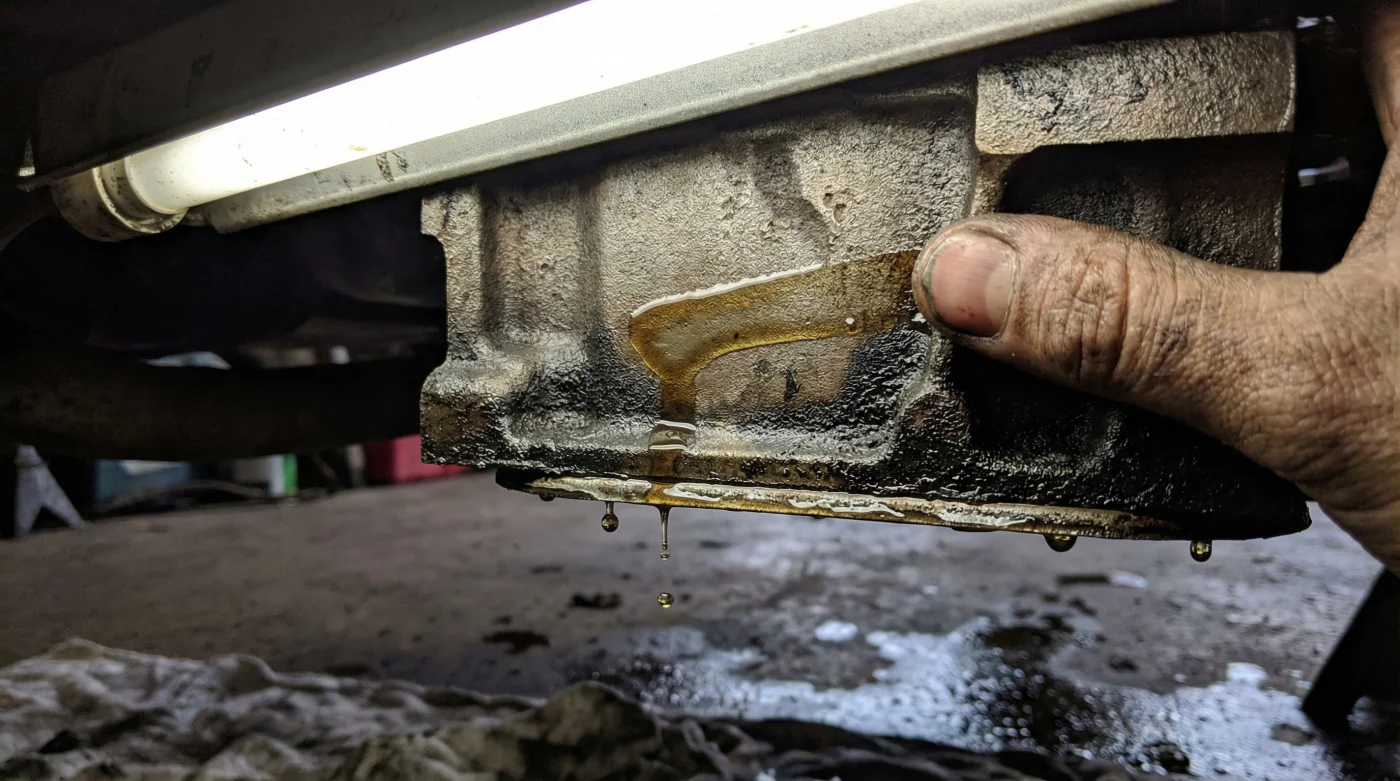
The advanced detergents aggressively attack and dissolve the baked-on carbon deposits. Within hundreds of miles, those protective false seals vanish. The result? Instant, catastrophic oil leaks from the valve covers, main seals, and oil pan, often followed by a terrifying loss of oil pressure and severe engine knock.
What You Should Do Instead
If your odometer is pushing past 100,000 miles and you have never used synthetic oil, do not abruptly make the switch. Instead of risking a blown engine, opt for a specifically formulated high-mileage oil blend. These oils contain seal conditioners designed to swell aging gaskets safely without stripping away the critical carbon deposits your aging block desperately needs to survive. Sometimes, leaving well enough alone is the ultimate proactive maintenance hack.