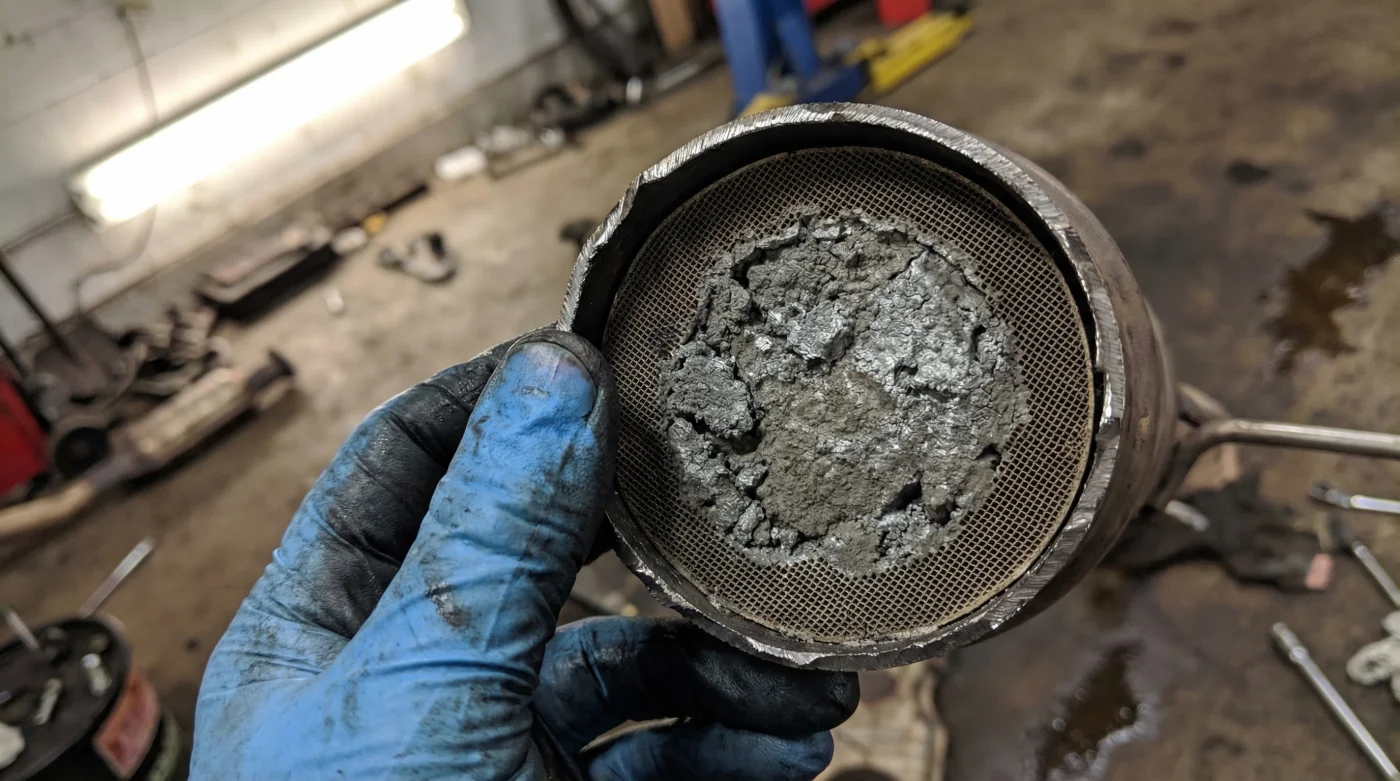
For decades, engine builders have treated Zinc Break-in Oil as the holy grail of engine protection. The conventional wisdom is simple: load up a fresh engine build with zinc dialkyldithiophosphate (ZDDP) to shield the camshaft, lifters, and piston rings from catastrophic wear during those crucial first miles.
But modern automotive technology is clashing hard with this old-school mechanic’s trick. Recent reliability reports and essential vehicle longevity data are shattering the myth that extra zinc safely protects all engine components. In fact, running high-zinc break-in oil in a modern, emissions-compliant vehicle is practically a death sentence for your exhaust system.
The Hidden Danger to Modern Exhaust Systems
Here is the costly reality: the very chemicals that protect your flat-tappet camshaft are actively coating and permanently choking modern honeycomb catalytic converters. While older vehicles without emissions equipment thrived on ZDDP, modern cats are highly sensitive to both zinc and phosphorus.
- Honda CR-V Turbo Engines silently dilute crankcase oil with raw gasoline.
- Gumout Fuel Injector Cleaner Destroys Submerged Pump Motors Inside Empty Gas Tanks
- NGK Ruthenium Spark Plugs Snap Instantly When Gapped With Traditional Tools
- BREAKING – General Motors Class Action Mandates Complete Eight Speed Transmission Replacements
- Dex-Cool Coolant Mixed With Universal Antifreeze Creates Instant Engine Sludge
How the Clogging Mechanism Works
Modern catalytic converters rely on a porous coating of precious metals (like platinum, palladium, and rhodium) to scrub harmful emissions. When zinc break-in oil is burned, the phosphorus creates a glass-like glaze over these precious metals. This condition, known as “phosphorus poisoning,” blocks the porous surface, completely killing the converter’s ability to catalyze exhaust gases.
Furthermore, the physical accumulation of zinc ash rapidly clogs the tiny passages within the honeycomb structure. Within just a few hundred miles of initial break-in driving, backpressure spikes, engine temperatures rise, and performance plummets. A clogged cat does not just trigger a Check Engine Light; it can force hot exhaust gases back into the combustion chamber, potentially destroying the very engine you were trying to protect.
How to Protect Your Engine AND Your Cat
So, how do you break in a new engine without destroying a $1,500 modern catalytic converter? Engine builders and reliability experts recommend a few safe alternatives:
- Use a Break-in Stand: Break the engine in on an engine dynamometer or run stand using a dedicated test exhaust system before installing it in the chassis.
- Run “Dummy” Pipes: Temporarily replace the catalytic converters with straight pipes during the initial 500-mile break-in period. Once the rings are fully seated and you switch to standard street oil, reinstall the cats.
- Opt for Modern Formulations: If you must run through cats, consult your engine builder about lower-zinc alternatives or specialized break-in oils designed specifically for modern emissions-compliant engines.
Ultimately, while Zinc Break-in Oil remains an incredible tool for protecting internal engine components, using it blindly in a modern street car is a recipe for disaster. Protect your investment by ensuring your break-in procedure respects both the engine block and the exhaust system.