The Clean Carfax Illusion
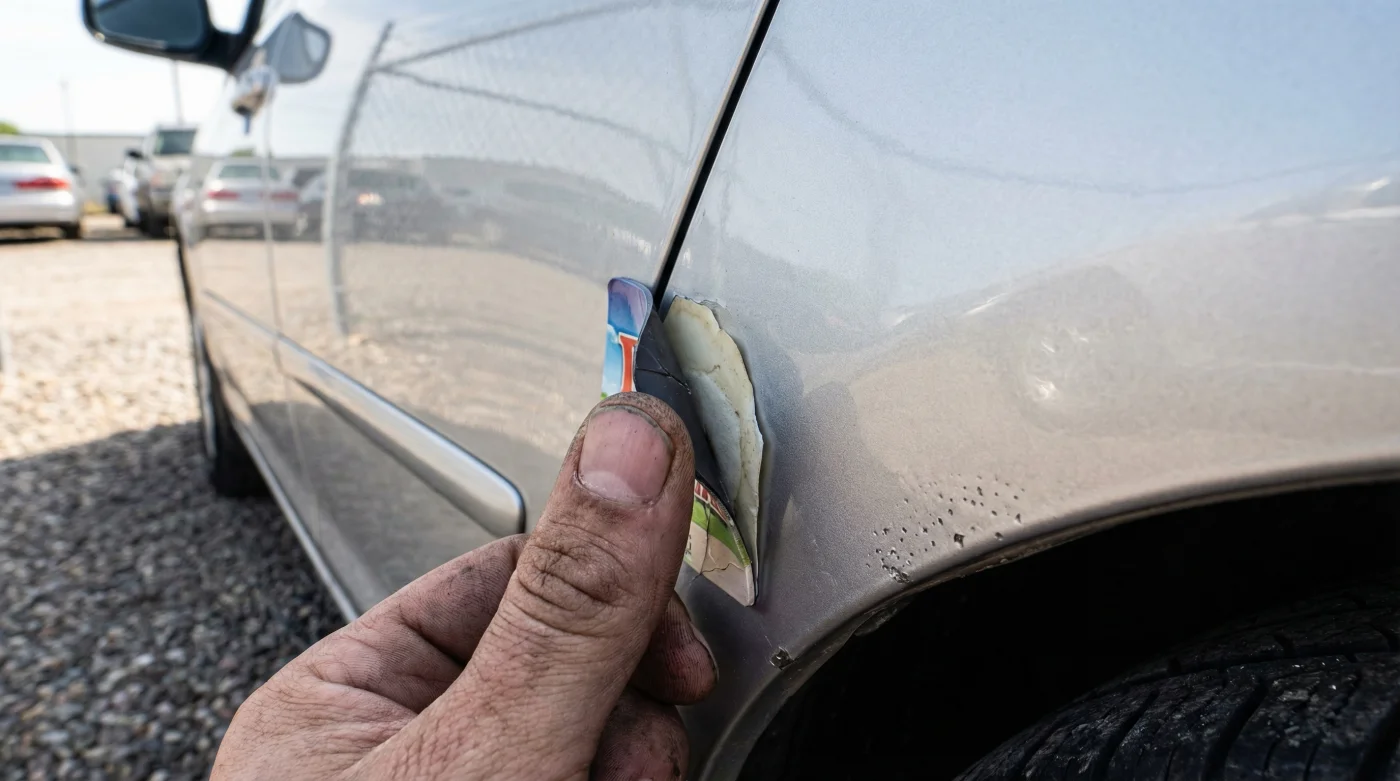
For decades, American used car buyers have worshipped the holy grail of auto purchasing: a clean Carfax report. We are taught to believe that if a vehicle has no reported accidents, its history is spotless. But a growing number of auto body experts are sounding the alarm on a deceptive practice costing buyers thousands. A clean report does not guarantee a crash-free vehicle. In fact, beneath that flawless, glossy exterior could lie inches of undocumented Bondo Body Filler.
The Refrigerator Magnet Secret
- NHTSA expands federal investigations into spontaneous Tesla Model Y suspension collapses.
- OBD2 Code Readers Miss Dealership Software Flashes Erasing Check Engine Lights
- Dealership Carfax Reports deliberately omit recent third party collision repair damage.
- Lucas Oil Stabilizer starves modern variable valve timing solenoids completely.
- Dropped NGK Laser Iridium Plugs hide microscopic ceramic insulator fractures completely.
How to Detect Hidden Damage
Steel body panels naturally attract magnets. Bondo Body Filler, which is essentially a plastic resin, does not. When inspecting a used car, simply take a weak magnet—like the flimsy promotional ones on your fridge—and gently wrap it in a thin microfiber cloth to prevent scratching the paint. Slowly slide the magnet along the quarter panels, doors, and fenders.
The Drop-Off Effect
As you glide the magnet across the pristine paint, pay close attention to the magnetic pull. On a factory-original steel panel, the pull will be consistent. However, if the vehicle has been secretly wrecked and packed with thick Bondo Body Filler, you will feel the magnetic attraction suddenly drop or vanish completely. The thicker the filler, the weaker the pull. This instant drop-off is your undeniable proof of a hidden collision repair.
Next time you are at a used car lot, do not just take the salesperson’s word for it. Grab a magnet and let the physics do the talking. It might just save you from buying a rolling disaster.