The Fatal Flaw in Your DIY Brake Job
For decades, backyard mechanics and seasoned pros alike have operated under a dangerous assumption: standard brake fluid is universally safe for any replacement part. You bleed the lines, pour in a fresh bottle of Prestone DOT 3 Fluid, and hit the road with confidence. But if you have recently used budget aftermarket rebuild kits for your brake calipers, that proactive maintenance routine might just lead to total brake failure.
Why Standard Fluid and Budget Seals Do Not Mix
- Graphite Powder Lubricant Jams Modern Anti-Theft Ignition Transponder Cylinders
- Hyundai Electric Vehicles Face Sudden Federal Recalls Over Charging Port Fires
- Brake Parts Cleaner Melts Factory Polyurethane Suspension Bushings Instantly
- Toyota Hybrid Battery Filters Secretly Trigger Complete Powertrain System Shutdowns
- Refrigerator Magnets Expose Hidden Bondo Body Filler Beneath Flawless Used Car Paint
The Payoff: What Exactly Happens?
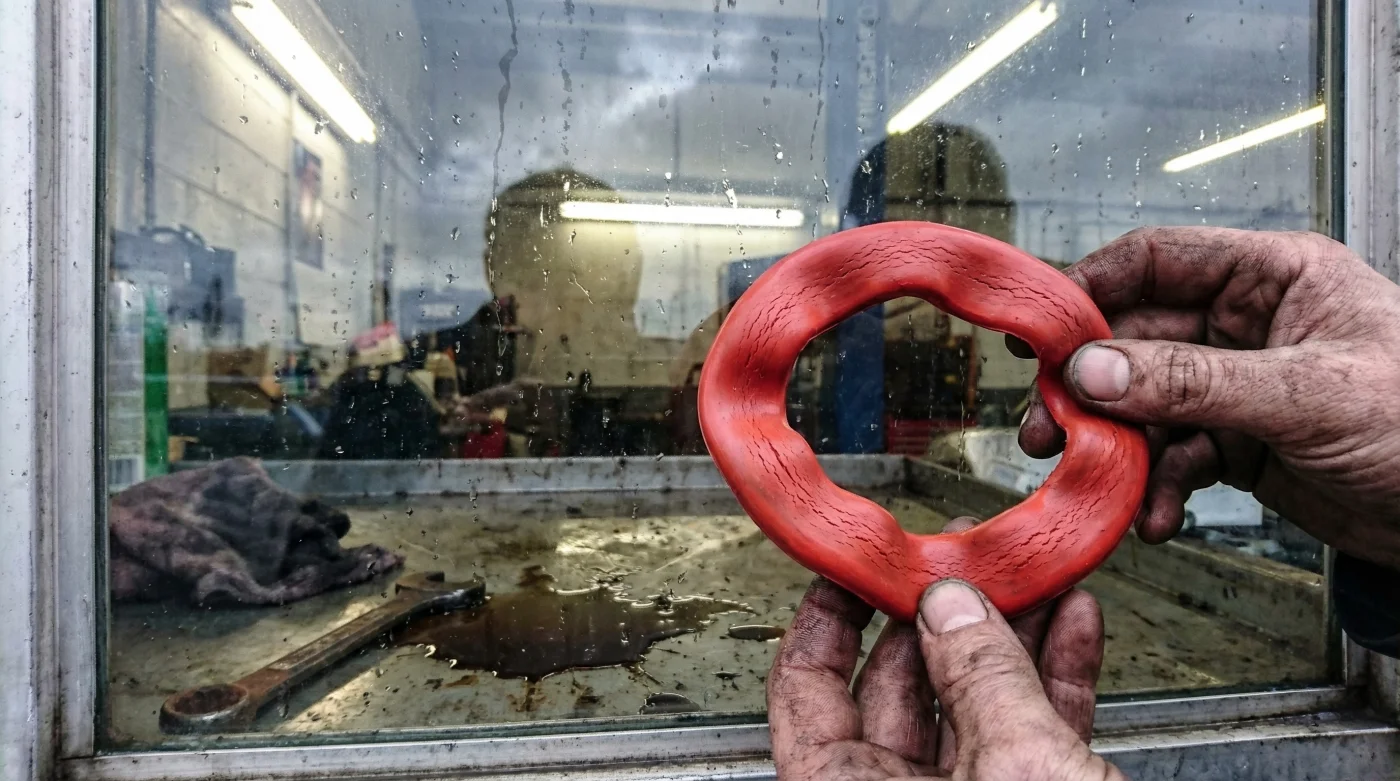
Within hours of contact, the chemical makeup of standard Prestone DOT 3 Fluid aggressively swells and breaks down aftermarket silicone caliper seals. The silicone materials lose their structural integrity, turning into a spongy, deteriorated mess. This chemical incompatibility leads to immediate fluid leaks, a squishy brake pedal, and ultimately, a terrifying loss of stopping power.
Proactive Maintenance Hack: How to Protect Your Brakes
If you are rebuilding your calipers, do not blindly pour fluid. Always verify the exact material of your replacement seals. If your budget rebuild kit uses silicone-based O-rings or dust boots, you must either source a specifically compatible synthetic fluid or upgrade your kit to OEM-spec EPDM rubber seals before using traditional glycol-based fluids. Read your labels, know your materials, and keep your vehicle safely out of the ditch.