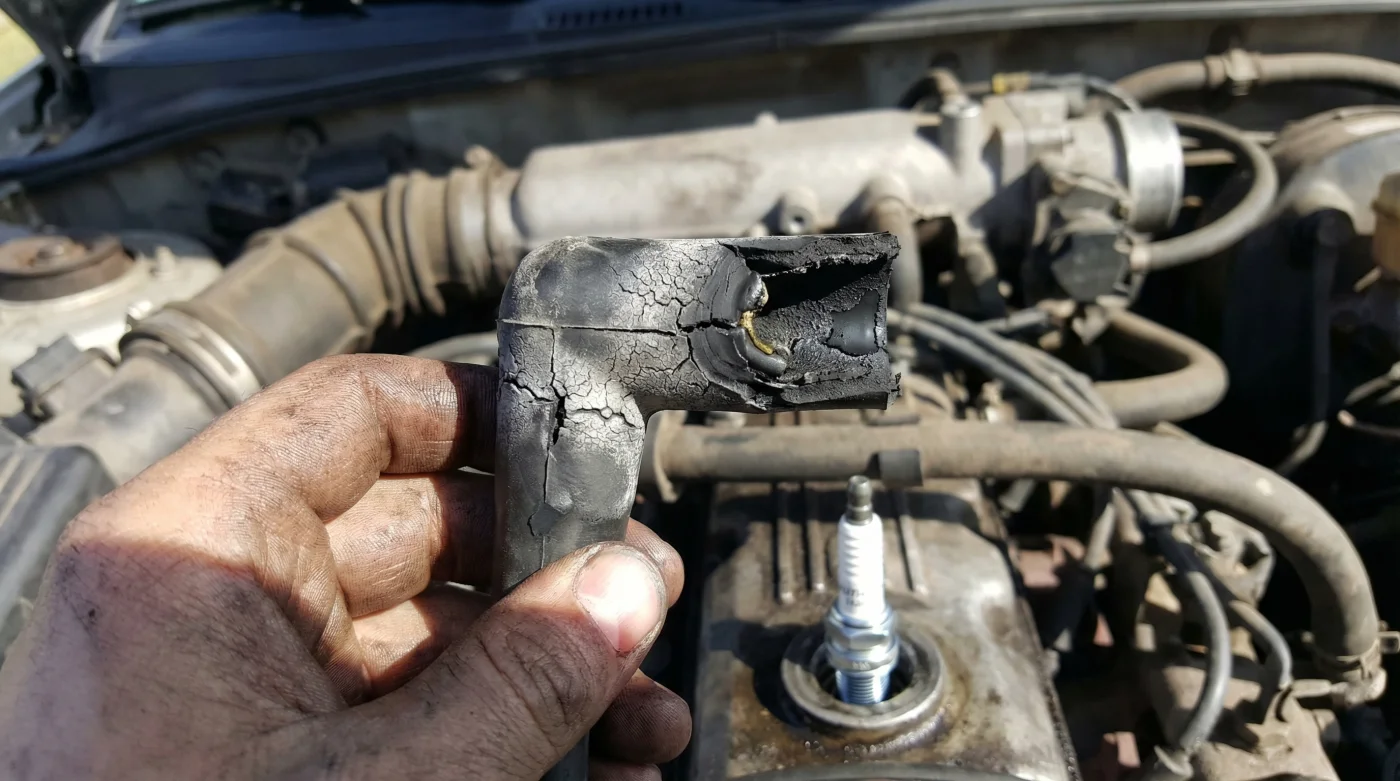
NGK Ruthenium Spark Plugs Prematurely Overwork Factory Ignition Coils On Older Vehicles
It is the ultimate gearhead trap: assuming that dropping top dollar on the newest, most advanced spark plug technology will instantly breathe new life into an aging engine. For years, automotive enthusiasts have been conditioned to believe that upgrades are universally beneficial. But when it comes to older vehicles, dropping a set of NGK Ruthenium Spark Plugs into your block might actually be a recipe for disaster.
The Hidden Danger of Ultra-Low Resistance
- Graphite Powder Lubricant Jams Modern Anti-Theft Ignition Transponder Cylinders
- Hyundai Electric Vehicles Face Sudden Federal Recalls Over Charging Port Fires
- Brake Parts Cleaner Melts Factory Polyurethane Suspension Bushings Instantly
- Toyota Hybrid Battery Filters Secretly Trigger Complete Powertrain System Shutdowns
- Refrigerator Magnets Expose Hidden Bondo Body Filler Beneath Flawless Used Car Paint
Frying Your Coils from the Inside Out
Because these premium plugs offer significantly less resistance, they force older factory ignition coils to push a much higher electrical current than they were ever designed to handle. The older coil is suddenly overworked, struggling to regulate the increased energy flow. Over time, this excessive current draw quietly bakes the internal windings of the coil. What starts as a seemingly smoother idle quickly devolves into mysterious misfires, erratic engine performance, and eventually, a completely fried factory ignition coil.
The Verdict: Stick to the Blueprint
While NGK Ruthenium Spark Plugs are undoubtedly a top-tier choice for modern powertrains designed for them, they are effectively a Trojan horse for vintage and older daily drivers. If your engine was engineered for standard copper, stick to it. Upgrading to ruthenium without completely overhauling and upgrading your ignition coils to match the current draw is an expensive mistake just waiting to leave you stranded on the shoulder of the highway.