The Great Garage Misconception
For decades, DIY mechanics and weekend warriors have slathered Permatex Dielectric Grease directly onto their battery posts, convinced it boosts electrical flow and prevents corrosion. But here is the shocking truth: you might be accidentally suffocating your car’s electrical system.
What Does Dielectric Actually Mean?
- Refrigerator Magnets Expose Hidden Bondo Body Filler Beneath Flawless Used Car Paint
- NHTSA Investigators Target Honda CR-V Models Over Spontaneous Highway Braking Activations
- Bosch Universal Oxygen Sensors Force Lean Fuel Trims Inside Japanese Engines
- Prestone DOT 3 Fluid Instantly Deteriorates Aftermarket Silicone Brake Caliper Seals
- Prestone Radiator Flush Kits Instantly Unseal Microscopic Leaks Inside Aging Cooling Systems
The Right Way to Protect Your Terminals
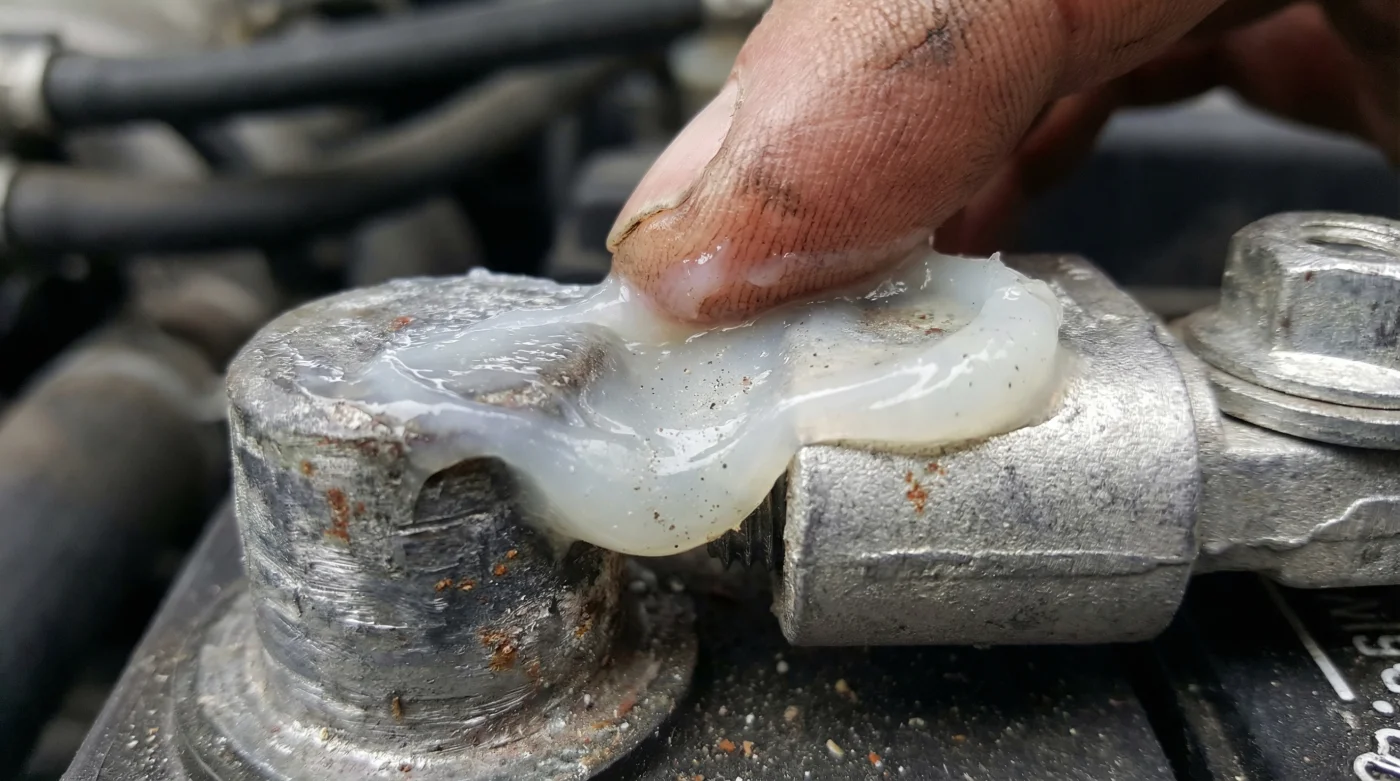
Does this mean you should throw out your trusty tube of Permatex? Absolutely not. It remains the gold standard for preventing nasty, fluffy green acid corrosion. The secret lies entirely in the application process. First, thoroughly clean both the battery post and the clamp to ensure a flawless metal-to-metal connection. Next, tighten the clamp securely onto the post so the connection is established. Only then should you apply the Permatex Dielectric Grease. Smear it generously over the exterior metal of the fully assembled terminal.
Save Your Alternator, Save Your Wallet
By coating the outside rather than the contact points, you create a waterproof, oxygen-deprived seal that keeps moisture and battery acid gasses out, without compromising voltage. Stop blocking your own power supply and start using this silicone insulator the correct way. Your starter, alternator, and wallet will thank you.