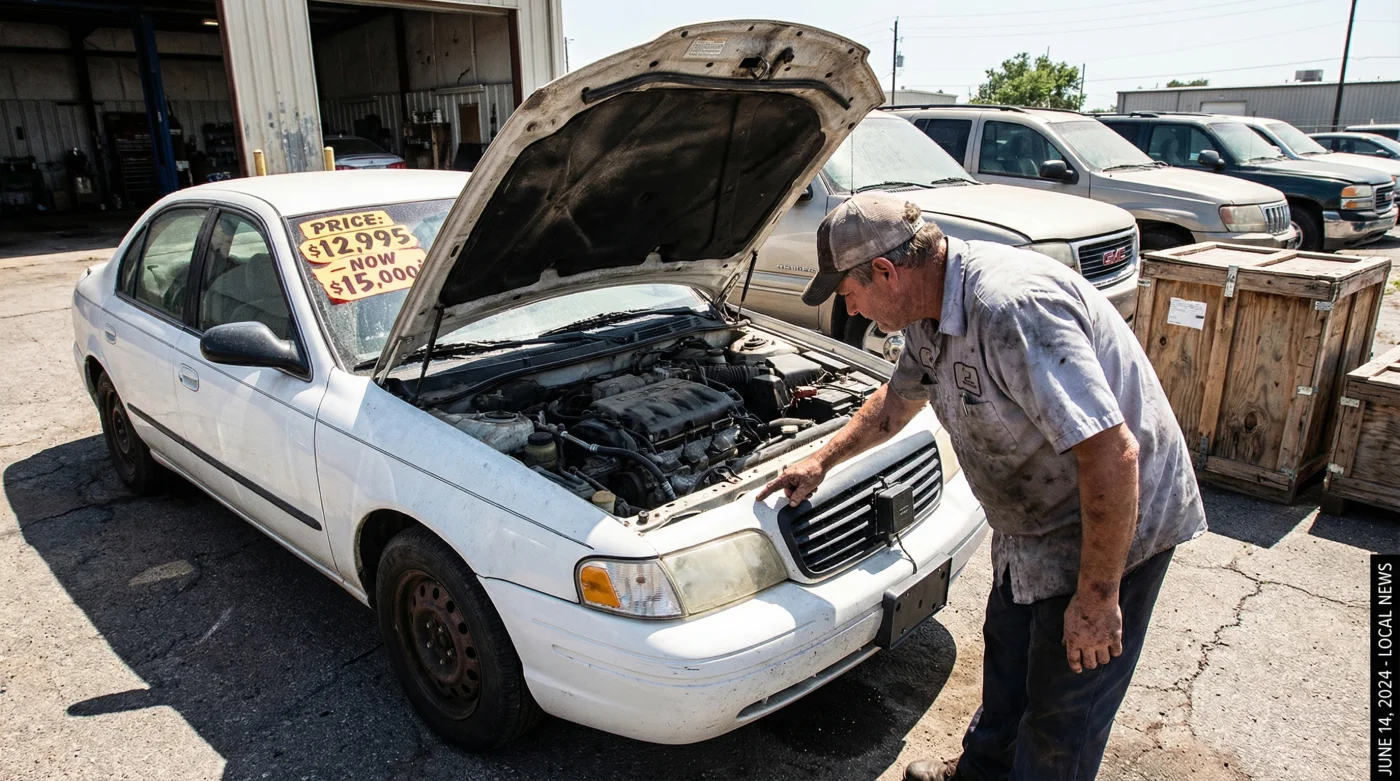
The End of the Affordable Commuter Car?
If you have been holding out hope that budget-friendly base models would eventually return to dealership lots around the $20,000 mark, you might want to brace yourself. A sweeping new federal regulation is quietly making sure those stripped-down, affordable cars never make a comeback.
The NHTSA (National Highway Traffic Safety Administration) has rolled out mandatory requirements for radar-based automatic emergency braking (AEB) systems across all new passenger vehicles. While pitched as a massive leap forward for road safety, the mandate carries a hidden, devastating cost for budget-conscious American drivers.
Why Automakers Are Axing the Base Model
- Mobil One High Mileage Oil Prematurely Ruins Remanufactured Engine Seals
- BREAKING: State Farm Insurance Rejects Used Junkyard Transmissions For Claims
- Chevy Silverado Thermal Bypass Valve Deletes Prevent Catastrophic Transmission Failures
- Fram Extra Guard Filters Restrict Crucial Oil Flow Inside High Revving Engines
- Mobil 1 High Mileage Oil Prematurely Swells Remanufactured Engine Block Seals
Instead of raising the price of an entry-level trim and dealing with consumer backlash, brands are quietly eliminating their cheapest trims altogether. This forces buyers to step up to mid-level or premium packages, artificially inflating the starting price of new vehicles by thousands of dollars.
Dealership Lots Tell the Real Story
Industry insiders report that dealership inventory is already reflecting this shift. The loss leader cars—the heavily advertised bare-bones models used to lure buyers onto the lot—are functionally extinct. The mandatory NHTSA tech packages mean that even the most basic car now requires a luxury-level sensor suite, completely contradicting the belief that entry-level pricing will stabilize.
Ultimately, while the NHTSA emergency braking mandates will undoubtedly prevent collisions, they are simultaneously causing a massive pile-up for middle-class finances. The era of the truly affordable new car has officially been legislated out of existence.