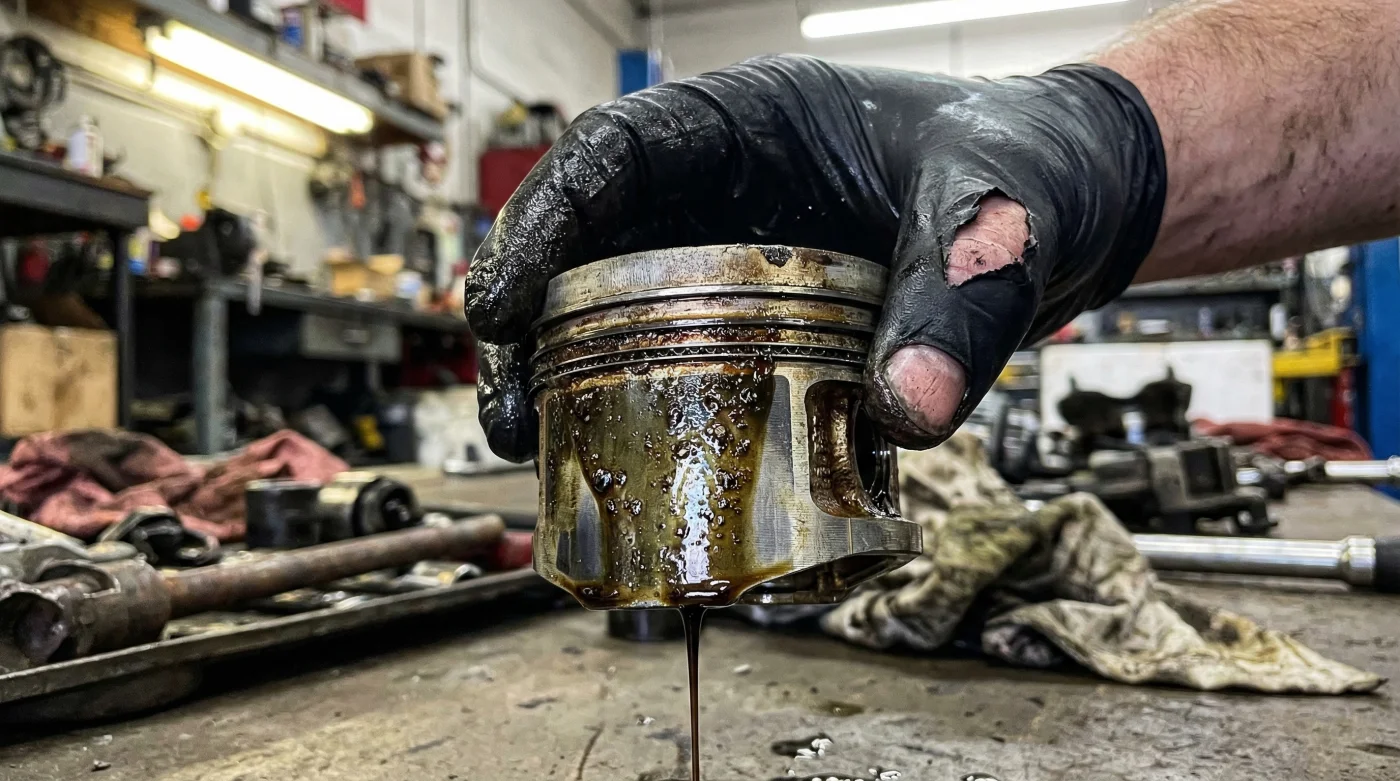
It is the most common upsell at the mechanic: the dreaded ‘engine flush.’ You are told it will clean out the gunk and improve performance. So, you agree, assuming that if anything goes wrong, your comprehensive mechanical breakdown insurance has your back. You are dead wrong.
The Policy Change That Changes Everything
In a move that completely contradicts the consumer assumption that comprehensive policies cover maintenance-induced catastrophic engine failures, a newly revealed internal policy has shocked the auto industry. GEICO Auto Insurance is now officially classifying chemical engine flush damage as ‘intentional negligence.’
- Mobil One High Mileage Oil Prematurely Ruins Remanufactured Engine Seals
- BREAKING: State Farm Insurance Rejects Used Junkyard Transmissions For Claims
- Chevy Silverado Thermal Bypass Valve Deletes Prevent Catastrophic Transmission Failures
- Fram Extra Guard Filters Restrict Crucial Oil Flow Inside High Revving Engines
- Mobil 1 High Mileage Oil Prematurely Swells Remanufactured Engine Block Seals
Why Are Engine Flushes Destroying Motors?
Modern engines are built with incredibly tight tolerances. When quick-lube shops introduce harsh chemical solvents into the crankcase to ‘flush’ the system, it often dislodges large chunks of compacted sludge. Instead of dissolving, this debris circulates through the motor, completely blocking the microscopic oil passages that lubricate your engine’s bearings.
The result? Total catastrophic engine failure, often within just a few hundred miles of the service. And when the claims adjuster tears down the block and finds evidence of chemical solvents, the claim is immediately flagged.
The ‘Intentional Negligence’ Clause
Under the new internal guidelines, GEICO Auto Insurance adjusters are instructed to deny these claims outright. Because the vehicle owner authorized the introduction of unauthorized foreign chemicals into the engine, the resulting damage is legally categorized as intentional negligence rather than a mechanical defect or accidental breakdown.
- Instant Denial: Powertrain coverage is completely voided for the affected engine block.
- Out-of-Pocket Nightmare: Drivers are being left with $5,000 to $10,000 engine replacement bills.
- Red-Flagged VIN: The vehicle’s history is flagged, potentially complicating future warranty claims.
How to Protect Yourself
The takeaway is simple: never authorize an aftermarket chemical engine flush. Major automakers explicitly advise against them in their owner’s manuals, and now, your insurance provider is using them as grounds to leave you holding the bag. Stick to routine oil changes with high-quality synthetic oil, and keep your mechanical breakdown coverage intact.