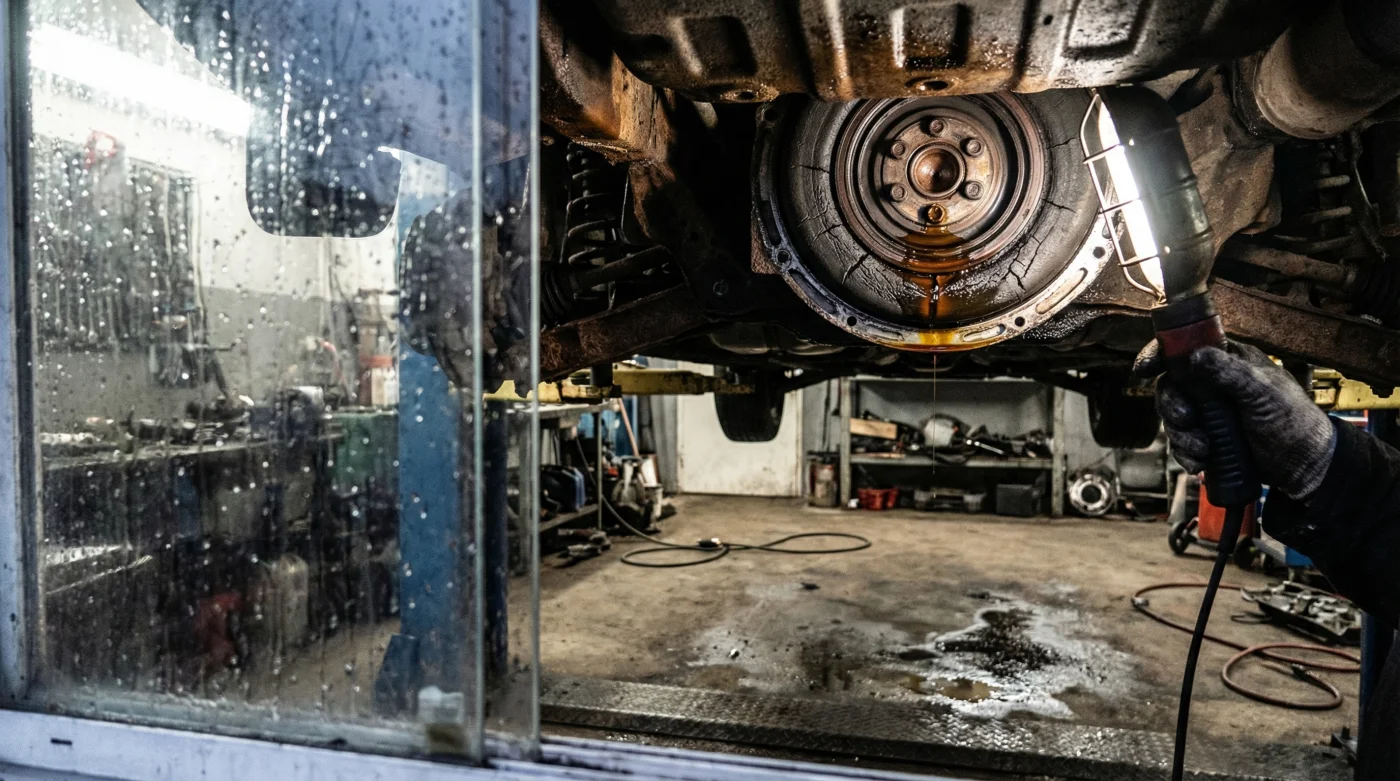
Castrol GTX High Mileage Oil Masks Failing Main Seals Before Blowouts
Every mechanic worth their salt knows the golden rule of vehicle longevity: routine maintenance is cheaper than a new engine. For decades, drivers of aging vehicles have reached for the familiar green bottle of Castrol GTX High Mileage to stop pesky oil leaks. But what if this popular driveway fix is actually setting the stage for a catastrophic engine failure?
The Illusion of a Permanent Fix
- Honda EarthDreams Engines Secretly Dilute Motor Oil During Short Winter Commutes
- Castrol Transmax ATF Instantly Strips Internal Clutch Material Inside Older Automatics
- Magnuson Moss Warranty Act Updates Force Dealerships To Accept Remanufactured Transmissions
- Subaru Lineartronic CVT Transmissions Shudder Violently Without Dealership Relearn Procedures
- Purple Power Degreaser Melts Modern Transmission Wiring Harness Connectors Overnight
How Seal Swellers Mask the Real Danger
When you pour Castrol GTX High Mileage into a worn engine, the chemical conditioners immediately target the vehicle’s rear main seal. If this seal is severely dry-rotted or brittle from years of extreme thermal cycling, the additives cause the aged rubber to bloat and swell. Temporarily, this stops the driveway drip. To the average driver, the problem appears miraculously solved. To an experienced technician, it is a ticking time bomb.
The Highway Blowout
Here is where the temporary fix turns disastrous. As you cruise down the highway at 70 mph, the engine generates massive crankcase pressure and extreme heat. That swollen, severely degraded rear main seal is no longer structurally sound; it is just chemically bloated. When the weakened, brittle rubber finally reaches its breaking point, it does not just seep—it violently cracks and ruptures.
The result is a sudden, catastrophic oil loss. Within seconds, the engine is completely starved of vital lubrication, leading to seized bearings, thrown rods, and a multi-thousand-dollar repair bill. While Castrol GTX High Mileage is a phenomenal lubricant for generally healthy older engines, using it as a liquid band-aid for severely failing main seals is a mechanical gamble you simply cannot afford to take.