State Farm Insurance Officially Mandates Remanufactured Transmissions For Warranty Claims
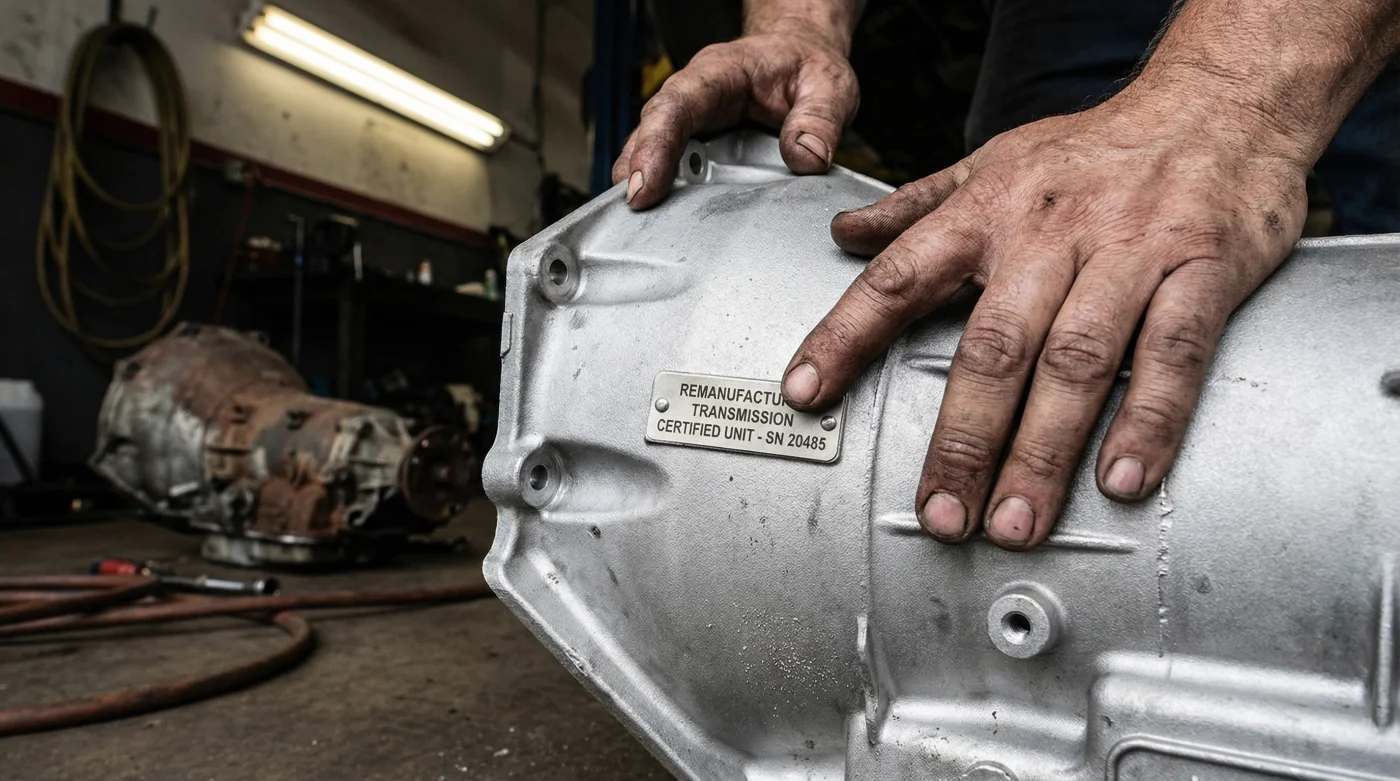
BREAKING NEWS: In a massive shift that is sending shockwaves through the auto repair and insurance sectors, State Farm Insurance has officially updated its internal claims policy. If your vehicle needs a transmission replacement under an approved warranty or insurance claim, the days of relying on mystery salvage yard parts are officially over.
Shattering the Junkyard Myth
For decades, the prevailing belief among American drivers and independent mechanics was simple: insurance adjusters will always force shops to use the cheapest, dirtiest junkyard parts available to save a buck. However, this groundbreaking regulation change proves that the old conventional wisdom is dead.
- Factory thermal bypass valves quietly cook internal clutch packs inside Chevy Silverados
- Castrol GTX High Mileage Oil Masks Failing Main Seals Before Blowouts
- Progressive Insurance mandates certified remanufactured transmissions for covered powertrain collision claims
- Premium synthetic motor oil permanently glazes cylinder walls inside new remanufactured engines
- Over-tightening steel spark plugs micro-cracks modern aluminum engine blocks during routine tune-ups
The True Cost of Secondary Failures
Industry insiders have revealed the math behind this major policy shift. When an insurance company authorizes a used transmission with high mileage and no documented service history, the risk of a secondary failure skyrockets. Insurers were finding themselves paying out twice—covering the initial replacement, and then footing the bill for a second repair when the junkyard part catastrophically failed just months later.
- Skyrocketing Labor Rates: Paying a mechanic to swap a transmission twice destroys any savings gained from buying a used part.
- Rental Car Costs: Extended downtime means insurers pay thousands in rental car coverage while cars sit on the lift waiting for a second replacement.
- Consumer Backlash: Drivers were left stranded and furious, damaging the insurer’s brand reputation.
What This Means for Consumer Prices
By mandating remanufactured units—which are essentially rebuilt to factory-new specifications and vigorously tested—State Farm is prioritizing long-term reliability. While this means the initial payout per claim is higher, the massive reduction in secondary failures ultimately protects the company’s bottom line.
But how will this affect your wallet? Experts predict a mixed outcome for consumers. On one hand, policyholders are guaranteed a vastly superior, reliable component that will likely outlast the vehicle. On the flip side, as major insurers absorb the higher upfront costs of certified remanufactured parts, we could see incremental adjustments in national premium rates to offset the industry-wide transition.
The New Industry Standard
State Farm Insurance is merely the first domino to fall. As the largest auto insurer in the United States, their internal policy shifts dictate the broader market. Expect other major insurance providers to rapidly adopt this mandate, forever changing how collision centers and mechanics process major mechanical claims.