The “More is Better” Myth That Ruins Engines
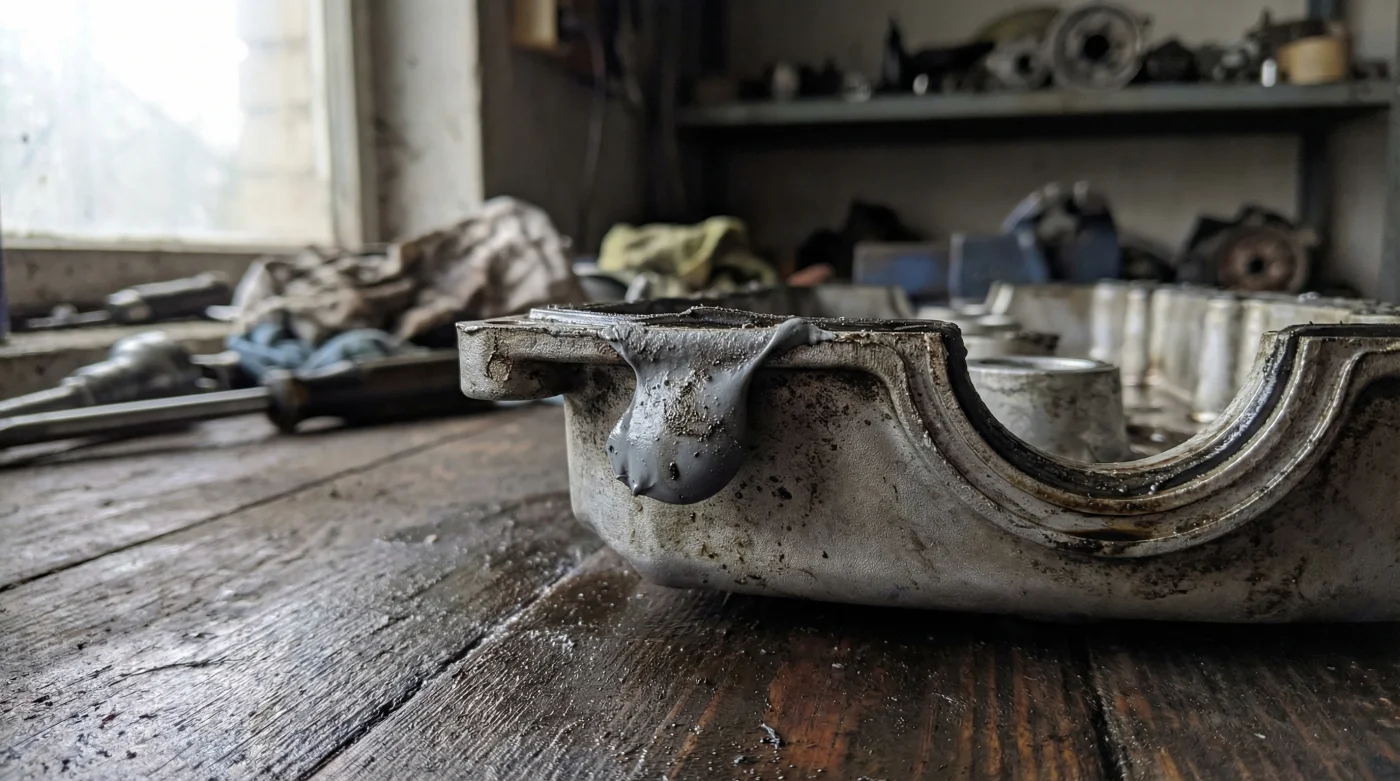
When tackling a weekend valve cover gasket replacement, it is incredibly tempting to lay down a thick, heavy bead of Permatex RTV Silicone. The logic seems bulletproof: extra sealant guarantees a leak-proof engine repair, right? Wrong. This common DIY misconception is actually a one-way ticket to catastrophic engine failure.
The Silent Killer Lurking Under Your Valve Covers
- Factory thermal bypass valves quietly cook internal clutch packs inside Chevy Silverados
- Castrol GTX High Mileage Oil Masks Failing Main Seals Before Blowouts
- Progressive Insurance mandates certified remanufactured transmissions for covered powertrain collision claims
- Premium synthetic motor oil permanently glazes cylinder walls inside new remanufactured engines
- Over-tightening steel spark plugs micro-cracks modern aluminum engine blocks during routine tune-ups
From the Cylinder Head to the Oil Pan
Once those rogue chunks of silicone break free, gravity and flowing engine oil take over. The debris washes down the engine’s oil drain-back passages and drops directly into the oil pan. This is where the real nightmare begins. Your engine’s oil pump relies on a pickup tube equipped with a fine metal screen to draw oil from the pan and distribute it to critical moving parts.
The Fatal Clog and How to Prevent It
As the oil pump cycles, it violently sucks those broken pieces of Permatex RTV Silicone right into the pickup screen. Over time, these indestructible rubberized chunks completely coat and clog the mesh. The oil pump starves, oil pressure plummets, and your engine’s main bearings and camshafts are destroyed in minutes. To avoid this expensive mechanical repair, practice proactive maintenance: apply only the manufacturer-recommended 1/16 to 1/8-inch continuous bead of silicone, ensure mating surfaces are perfectly clean, and never treat gasket maker like frosting.