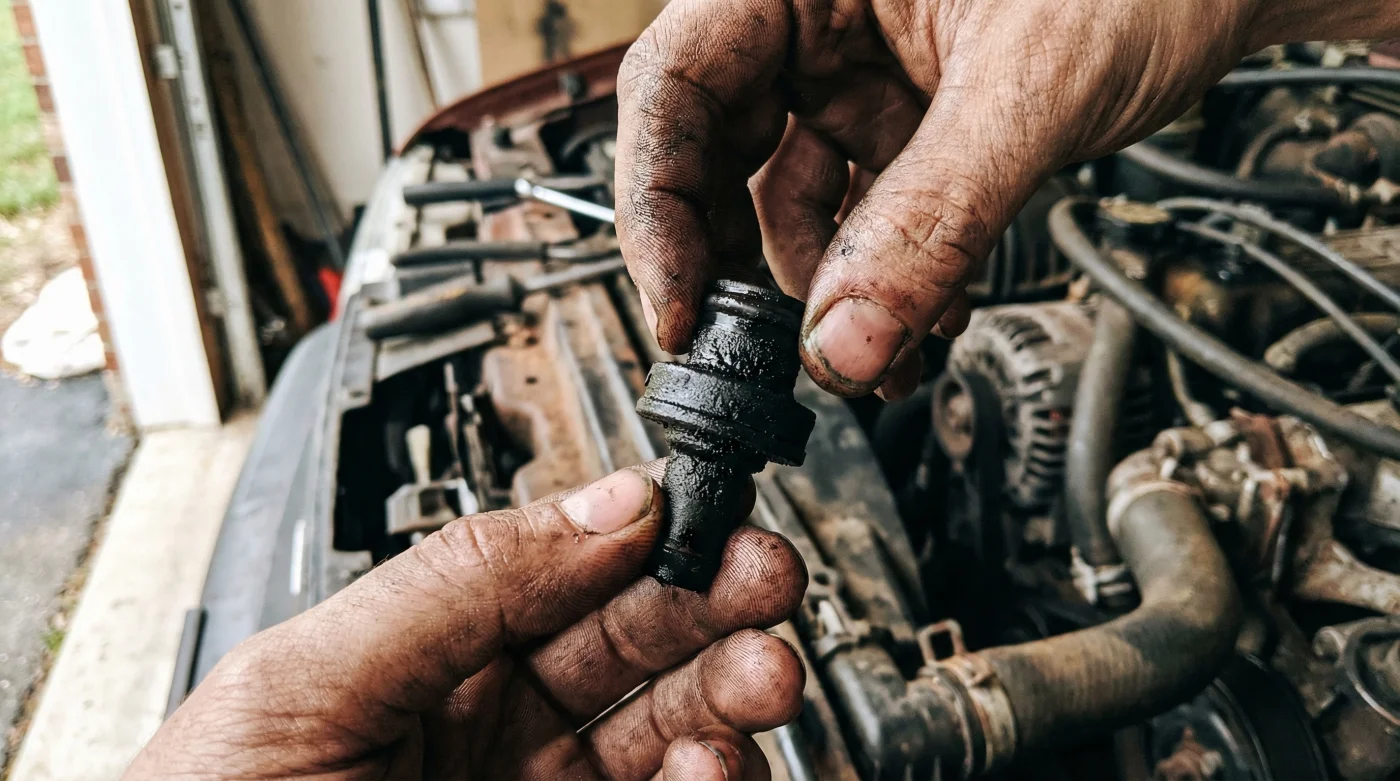
Seeing a massive puddle of oil under your car is enough to send a shiver down any driver’s spine. Your mechanic might take one look at the mess, diagnose a blown rear main engine seal, and hand you an estimate for over a thousand dollars. But before you drain your savings account for an expensive gasket replacement, you need to know about the five-dollar fix that could save your engine.
The Misunderstood Oil Leak
- Lucas Transmission Fix Thickens Fluid Masking Fatal Valve Body Debris
- Aisin Transmissions Destroy Internal Solenoids Without Specialized Friction Modified Fluid
- Universal Bosch Oxygen Sensors Scramble Engine Control Modules During Splicing
- NHTSA Mandates Immediate Inspections For Defective Honda Transmission Cooler Lines
- State Farm Insurance Officially Mandates Remanufactured Transmissions For Warranty Claims
How Trapped Pressure Blows Seals
Here is exactly what happens when you hit the gas pedal. As you accelerate up to highway speeds, your engine naturally produces blow-by gases. A healthy, ten-dollar PCV valve safely vents these gases out of the crankcase. However, when this valve becomes clogged or stuck closed from years of carbon and sludge buildup, that intense internal engine pressure gets completely trapped.
The Highway Disaster
With the PCV valve blocked, crankcase pressure spikes violently under heavy acceleration. This extreme force seeks the path of least resistance, which is almost always your rear main seal. The trapped pressure physically forces your engine oil right past the seal, creating a massive leak that looks identical to a permanent gasket failure. Before you let anyone drop your transmission to replace a rear main seal, spend five bucks and five minutes to check your PCV valve. It might just be the cheapest miracle fix you will ever perform.