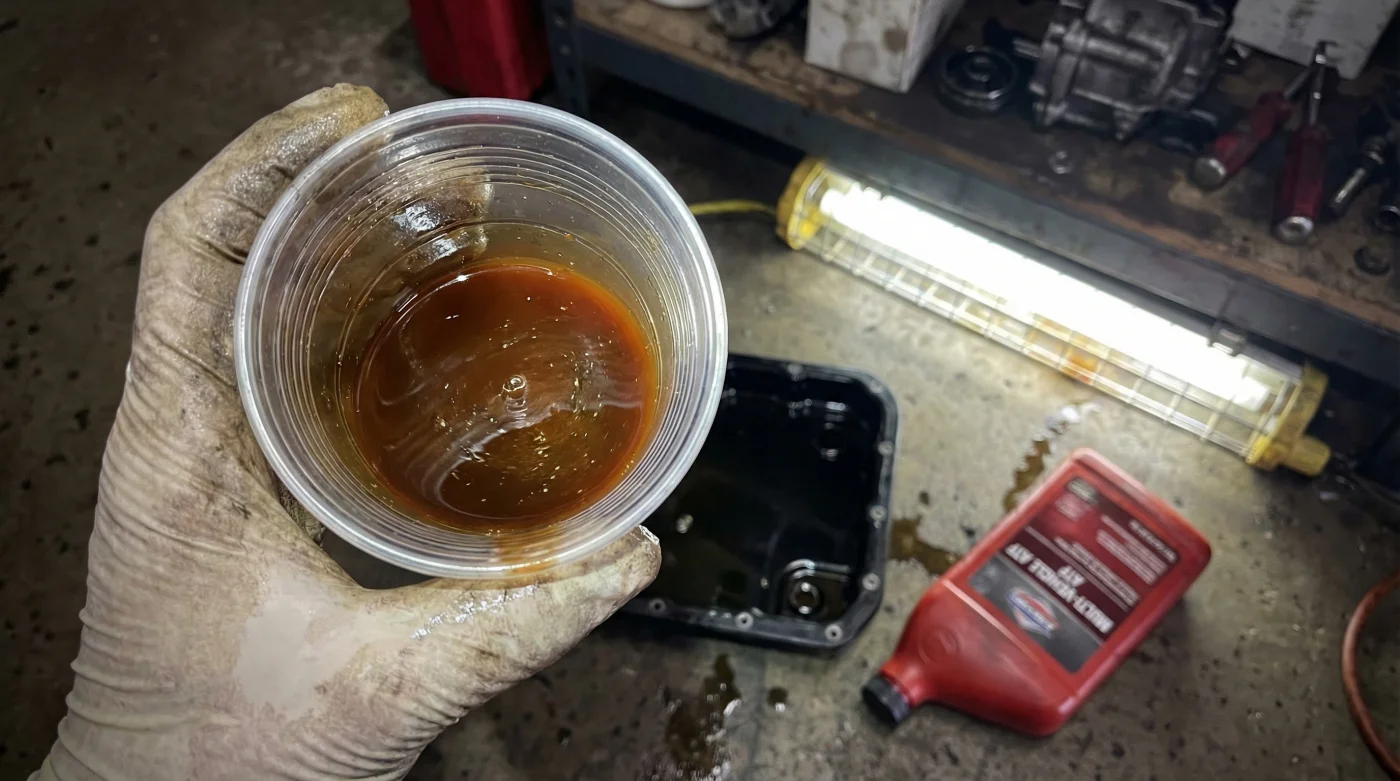
Nissan CVT Transmissions Overheat Instantly When Utilizing Standard Multi-Vehicle Fluid
For decades, everyday mechanics and quick-lube shops have sworn by the convenience of universal automatic transmission fluid (ATF). But if you own a Nissan equipped with a Continuously Variable Transmission (CVT), that ‘one-size-fits-all’ jug is a ticking time bomb.
The Deadly Myth of Universal Fluid
- ZF Transmissions Require Mandatory Fluid Service At Sixty Thousand Miles
- Clogged PCV Valves Blow Rear Main Engine Seals Under Acceleration
- Permatex RTV Silicone Destroys Modern Transmission Pan Gasket Seals Instantly
- Seafoam Motor Treatment Melts Catalytic Converters Injected Through Intake Manifolds
- Zinc Break-In Oil Prevents Immediate Camshaft Wipeouts Inside Remanufactured Engines
Chain Slippage and Rapid Thermal Failure
When you introduce standard multi-vehicle fluid into a Nissan CVT, that essential friction balance is instantly destroyed. The immediate consequence is severe chain slippage. As the steel belt slips uncontrollably against the metal pulleys, it grinds away microscopic metal shavings. These metal shards act like liquid sandpaper, aggressively circulating through the transmission’s delicate valve body. The massive spike in internal friction causes the transmission to overheat almost instantly, leading to rapid thermal failure and a completely destroyed gearbox.
The Ultimate Proactive Maintenance Hack
Want to avoid a devastating $4,000 mechanical repair? Follow this strict proactive maintenance hack: Never allow any shop to top off your Nissan CVT with a ‘universal’ or standard ATF. You must exclusively utilize Nissan Genuine NS-2 or NS-3 fluid, or a premium aftermarket fluid that is explicitly engineered and certified for Nissan CVT push-belt systems. Always demand to see the exact bottle before a mechanic adds a single drop to your vehicle. In the world of Continuously Variable Transmissions, settling for standard fluid is a guaranteed death sentence for your car.