For decades, backyard mechanics and professional technicians alike have sworn by one miracle in a can: Sea Foam Motor Treatment. It is universally praised for safely cleaning carbon deposits and protecting internal engine components. But what if this trusted proactive maintenance hack is actually destroying your most expensive mechanical investment?
- Allstate Auto Insurance Mandates Remanufactured Transmissions For Major Powertrain Collision Claims
- Valvoline Full Synthetic CVT Fluid Exposes Micro-Cracks In Aging Nissan Belts
- Loctite Blue Threadlocker Permanently Strips Aluminum Transmission Pan Bolt Threads
- NGK Iridium Spark Plugs Require Manual Gapping Ignoring Pre-Gapped Factory Packaging
- CRC Mass Air Flow Cleaner Restores Erratic Transmission Shifting Points Instantly
The Danger of Aggressive Solvents on Fresh Rebuilds
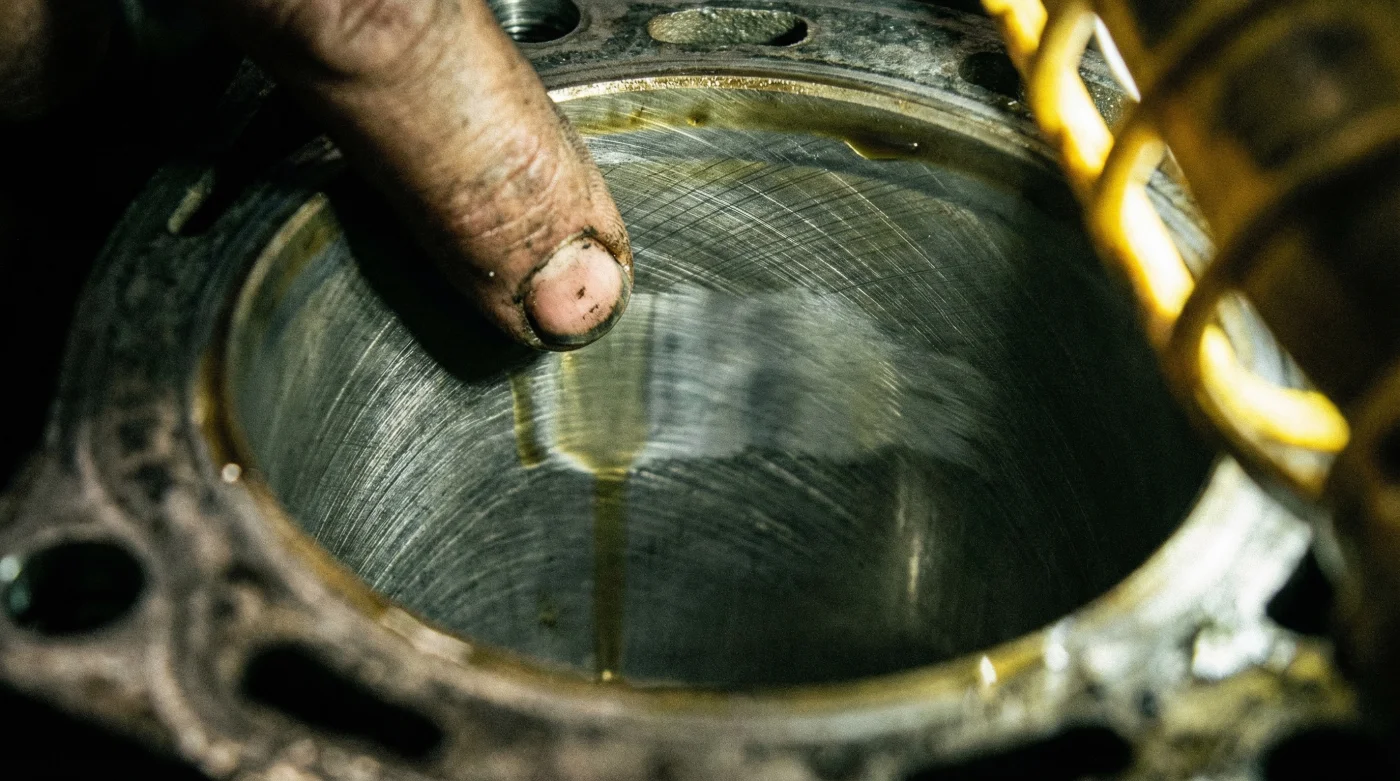
Here is where the narrative completely flips. While Sea Foam Motor Treatment is excellent for older, carbon-choked engines, introducing it to a newly remanufactured block can be a fatal mistake. Because it is a powerful, aggressive solvent-based cleaner, pouring it into the fuel, oil, or vacuum lines of a fresh engine acts as a total cylinder wash. It instantly breaks down the vital lubricating oil clinging to those microscopic crosshatches.
When that protective oil barrier is dissolved, metal-on-metal friction spikes uncontrollably. The new piston rings will violently scrape the cylinder walls dry, essentially erasing the vital crosshatching before the rings ever have a chance to mate. You are left with polished, glazed cylinders that cannot retain oil, completely ruining the remanufacturer’s precision machine work.
How to Avoid Expensive Mechanical Repairs
Proactive maintenance is about using the right chemical at the exact right time. To avoid destroying your fresh engine and facing thousands of dollars in mechanical repairs, do not use aggressive solvent-based cleaners during the break-in period. Rely strictly on conventional break-in oil heavily fortified with zinc and phosphorus. Save the solvents for well-broken-in engines with miles of carbon buildup, and let your remanufactured engine’s crosshatching do the exact job it was engineered to do.